
Unbiased headlines. Facts, not spin.
Every story is an unbiased news briefing written from 110+ sources across the spectrum — sources linked so you can verify it yourself.
 economy
Major Story (7/10)
July 27, 2026 at 04:13 AM
economy
Major Story (7/10)
July 27, 2026 at 04:13 AM
Indonesia's Central Bank Chief Resigns Without Warning, Markets Flinch
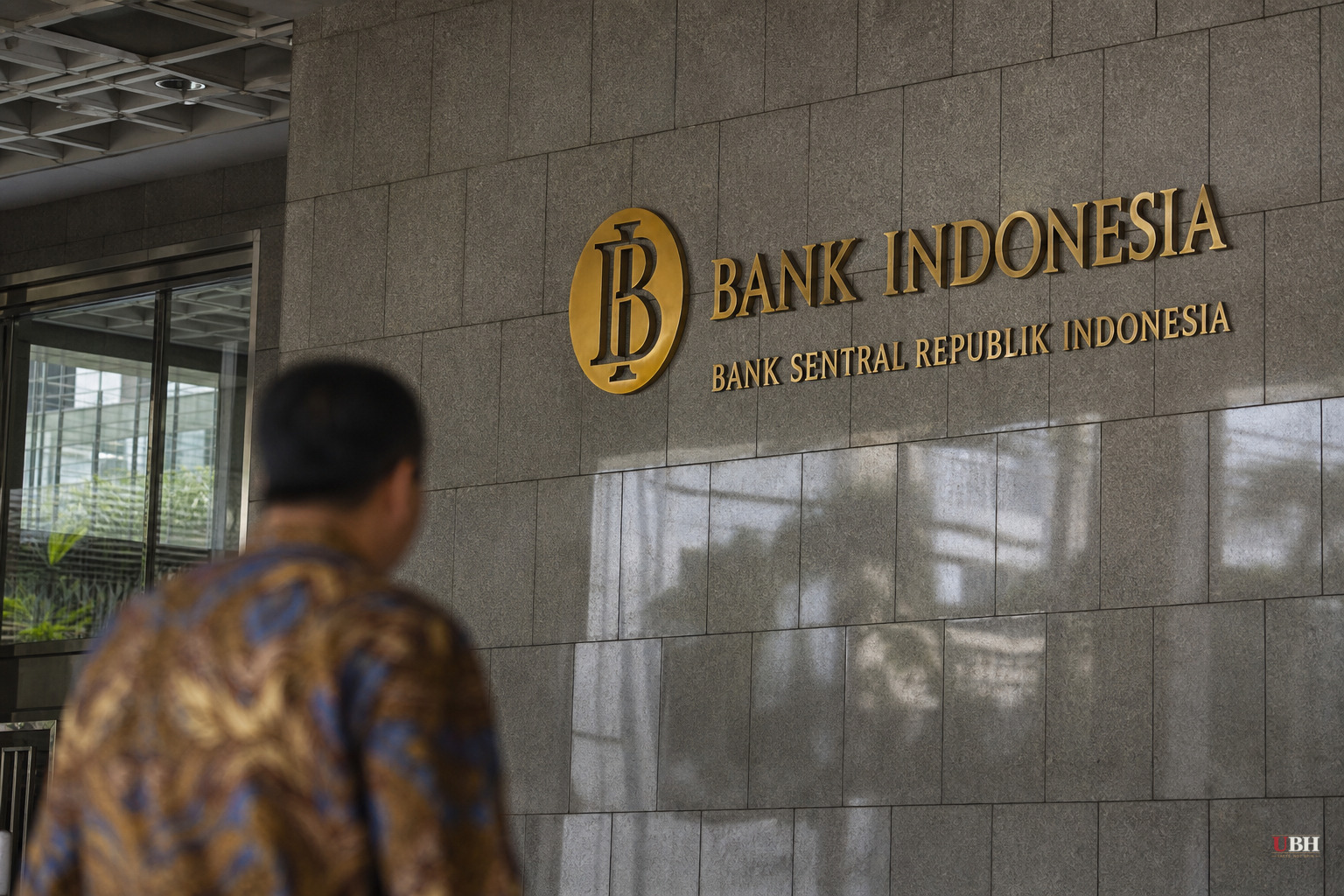
Perry Warjiyo abruptly resigned as Governor of Bank Indonesia on Monday, July 27, 2026, roughly two and a half years into a second five-year term that wasn't supposed to end until 2028.
President Prabowo Subianto accepted the resignation the same morning, according to State Secretariat Minister Prasetyo Hadi, who briefed reporters before markets opened in Jakarta. Prasetyo said Warjiyo submitted his resignation letter on July 25, citing personal reasons, according to Indonesia Investments. He declined to elaborate.
Senior Deputy Governor Destry Damayanti has been named interim governor. She told reporters the resignation was for personal reasons and pledged that the central bank "will always ensure the continuity of its duties and authorities" to keep the rupiah and financial system stable, according to CNBC.
Markets didn't shrug this off. The rupiah weakened as much as 0.14% to 17,960 per dollar in early trade, and the Jakarta Composite Index dropped as much as 0.68% before paring losses to a 0.26% gain, per CNBC. Indonesia Investments separately reported the index down as much as 1.88% to 6,196.43 at another point in the session as investors digested the news — the divergence in figures reflects how sentiment swung during early Monday trade, with the JCI's final close not yet confirmed as of this writing.
Why the timing spooked people
Warjiyo had been governor since 2018 and was widely seen, per Indonesia Investments, as a stabilizing figure who steered Indonesia's monetary policy through COVID-19 and the recovery that followed. Angus Mackintosh, an ASEAN specialist at Aletheia Capital in Singapore, called him "a steady pair of hands with a good track record" and said his exit "will likely be taken negatively by the market," according to CNBC.
The resignation lands at a genuinely fragile moment. The rupiah hit a historic low in June amid global turmoil and, per CNBC, growing concern over Indonesia's fiscal management and central bank independence. Indonesia Investments points to additional pressure from energy price shocks tied to the Middle East conflict and domestic worries about stock market transparency.
Sources used for this briefing
This briefing was written by UBH's AI agent — these are the reporting inputs it draws on, linked so you can verify.


