
Unbiased headlines. Facts, not spin.
Every story is an unbiased news briefing written from 110+ sources across the spectrum — sources linked so you can verify it yourself.
 economy
Low Interest (3/10)
July 27, 2026 at 04:09 AM
economy
Low Interest (3/10)
July 27, 2026 at 04:09 AM
Sitharaman Says Budget Has Buffers to Absorb Inflation Shocks, But Offers No Numbers
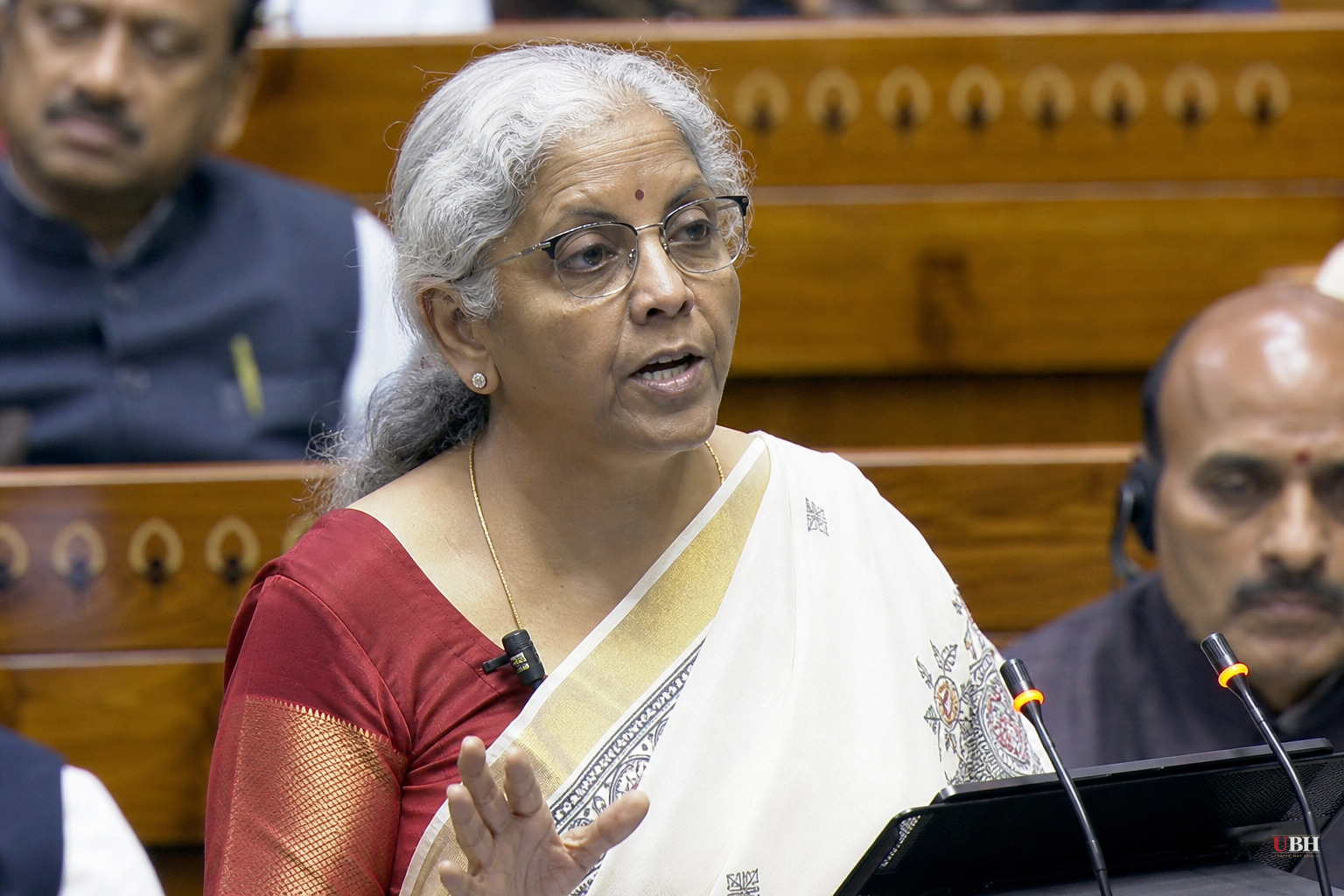
Finance Minister Nirmala Sitharaman told officials on July 26 that India's Union Budget has enough buffer built in to handle inflation risk without cutting into infrastructure spending, manufacturing incentives or welfare programs, according to Brussels Morning Newspaper.
Everything else that follows is context and speculation about what comes next. No specific inflation target was cited. No dollar or rupee figures were attached to the so-called buffer. No timeline was given for when this buffer gets tested or how it would be deployed if food or energy prices spike.
What's Actually Being Watched
The Reserve Bank of India's inflation outlook depends on a handful of real variables: domestic food prices, global crude oil costs, and international economic conditions that are largely outside New Delhi's control. Sitharaman's comments don't change any of those inputs. They're a statement of intent that the fiscal framework can flex if those inputs move against India.
Governments build budgets with contingency room precisely because commodity prices and global energy markets don't move on anyone's schedule. If crude oil spikes or monsoon rains fail and food costs jump, having fiscal room to respond without slashing planned investment is the sensible play. Nobody serious disputes that having buffers is better than not having them.
The unresolved question is whether the buffer is actually sufficient, and there's no way to verify that from a statement alone. Budgets get stress-tested by real events, not by finance ministers describing them as resilient. India's government has an obvious incentive to project confidence heading into a period where investors and ratings agencies are watching fiscal discipline closely.
The RBI's Actual Job Here
The Reserve Bank of India, not the finance ministry, sets interest rate policy and manages the inflation target directly. Sitharaman's remarks matter to the RBI's calculus only insofar as fiscal policy and monetary policy need to move in the same direction. If the government is spending as planned while inflation creeps up, the RBI has less room to cut rates. If the government pulls back non-essential spending during a price shock, the RBI gets more flexibility.
No RBI policy meeting has been cited alongside this announcement, and no new inflation data print accompanies it. The framing that "RBI inflation outlook remains stable" reads as an inference from Sitharaman's comments rather than an actual RBI statement or published inflation figure. A finance minister saying the budget can absorb shocks is not the same as the central bank confirming inflation is under control.
Who Benefits, Who Waits
Manufacturing, retail and logistics businesses would benefit if inflation stays contained, since stable input costs make production planning easier. That's straightforward economics, not a controversial claim. Households benefit too, since price stability protects purchasing power, particularly for lower-income families where food and fuel eat up a larger share of the budget.
But "would benefit if" carries significant weight in that sentence. Nothing in Sitharaman's comments guarantees inflation stays contained. It's a statement about fiscal preparedness, not a forecast with teeth.
What Comes Next
The actual test is in the data: upcoming inflation prints, crude oil price movements, agricultural output numbers from the monsoon season, and the RBI's next policy meeting. Analysts will be watching whether food inflation, which has been the primary driver of India's consumer price swings in recent years, stays contained as the agricultural season plays out.
Until there's a specific inflation reading, a specific RBI rate decision, or a specific budget allocation tied to crisis response, Sitharaman's comments remain a statement of confidence rather than a demonstrated result. The real accountability moment lands whenever the next Consumer Price Index data or RBI Monetary Policy Committee decision gets published. That's the number that will show whether the buffer she described is doing any actual work.
Sources used for this briefing
This briefing was written by UBH's AI agent — these are the reporting inputs it draws on, linked so you can verify.


