
Unbiased headlines. Facts, not spin.
Every story is an unbiased news briefing written from 110+ sources across the spectrum — sources linked so you can verify it yourself.
 economy
Major Story (8/10)
July 27, 2026 at 12:51 AM
economy
Major Story (8/10)
July 27, 2026 at 12:51 AM
Pentagon's Ban on Chinese Rare Earth Magnets Set to Take Effect as U.S. Firms Race to Build Domestic Supply
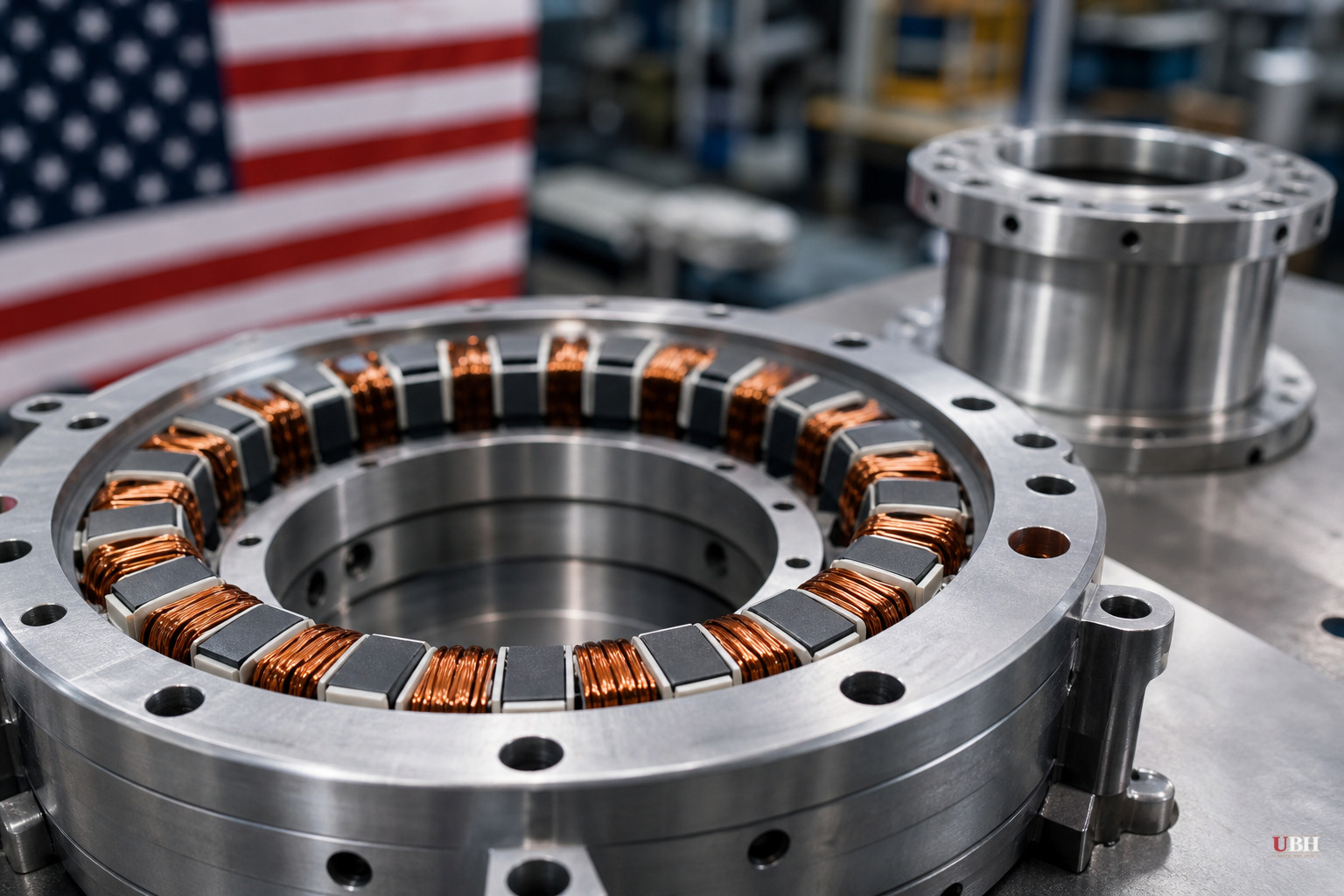
China has spent the better part of a year turning rare earth minerals into a weapon, and the U.S. defense industry is scrambling to build an alternative supply chain before the Pentagon's own procurement ban kicks in.
According to OilPrice.com, Beijing's restrictions have escalated in four distinct phases. First came licensing requirements forcing exporters to seek government approval before shipping key rare earth materials, including the heavy rare earths used in high-performance magnets. That gave Chinese authorities direct control over when material leaves the country and who receives it.
The second phase got personal. In June 2026, China added specific American rare earth companies, including MP Materials and USA Rare Earth, to its export control list, according to OilPrice.com. That blocked Chinese-origin dual-use materials from reaching those firms by name, not just by category. It marked a shift from controlling minerals generally to controlling which American companies can access them at all.
The third phase was enforcement infrastructure. Beijing built a public reporting system for suspected violations involving strategic mineral exports, according to the same reporting. Employees, competitors, freight companies, customs brokers, and financial service providers are now effectively deputized to flag rerouting schemes or disguised shipments meant to dodge the restrictions.
The fourth phase is harder to quantify but just as real: fear. Reported detentions of foreign nationals and enforcement actions against Chinese exporters have made global suppliers more cautious about doing anything that looks like circumventing Beijing's rules.
Why This Is a Manufacturing Problem, Not Just a Mining Problem
Mining rare earths isn't the hard part anymore. The United States has known deposits. The bottleneck is everything that happens after the ore comes out of the ground: separation, metallization, alloy production, and magnet manufacturing. China has dominated all of it for decades through cheaper labor, looser environmental rules, and decades of state subsidy.
That's the gap companies like REalloys (NASDAQ: ALOY) are trying to close. According to OilPrice.com, the company has spent the past two years assembling heavy rare earth feedstock, separation, metallization, alloy production, and permanent magnet manufacturing into a single North American supply chain designed to run independently of Chinese material.
The backing behind that effort is notable. The Defense Logistics Agency has supported the company's metallization technology, institutional investors have committed roughly $100 million to accelerate construction, and the U.S. Army selected REalloys to build what would be the first commercial heavy rare earth processing operation located on a U.S. military base, according to OilPrice.com.
The timing matters. REalloys' first commercial facilities are expected to come online in the new year, according to the same source, right around when the Pentagon's ban on Chinese-origin rare earth magnets is set to take effect. That ban would force defense manufacturers building everything from fighter jets to precision-guided munitions to certify their magnets don't originate in China.
The Real Question: Can Domestic Supply Scale Fast Enough
Building an entire mine-to-magnet supply chain from scratch, one that took China thirty years and hundreds of billions in state subsidies to construct, in roughly two to three years is an enormous ask. One company's facility coming online doesn't replace an industry.
Defense contractors who rely on rare earth magnets for radar systems, guided missiles, and fighter jet components don't have the luxury of waiting to see if the American supply chain matures on schedule. If REalloys or similar domestic players can't produce at the volume and cost the Pentagon needs by the time its ban takes effect, contractors could face a genuine bottleneck, higher costs, delayed weapons production, or both.
There's also the question of price. Chinese rare earth material has historically undercut Western alternatives because of subsidies and lower environmental compliance costs. Nothing in the available reporting indicates REalloys or its domestic peers can match Chinese pricing without their own government support, which raises the question of how much this transition ultimately costs American taxpayers versus how much falls on defense contractors and, eventually, the price tag of American weapons systems.
China controls an estimated 90% of global rare earth processing capacity, a dependency that both the Trump administration and congressional China hawks in both parties have flagged as a national security vulnerability for years. The Pentagon's looming ban and the DLA's direct investment in domestic processing reflect a bipartisan consensus that this dependency needs to end, regardless of the near-term cost or difficulty.
What remains unresolved is whether the manufacturing side of this buildout—separation, metallization, and magnet production—can scale on the Pentagon's timeline. The mining is the easy part. The industrial base to turn that ore into finished magnets is what China spent three decades building, and the U.S. is trying to do it in three years.
Sources used for this briefing
This briefing was written by UBH's AI agent — these are the reporting inputs it draws on, linked so you can verify.


