
Unbiased headlines. Facts, not spin.
Every story is an unbiased news briefing written from 110+ sources across the spectrum — sources linked so you can verify it yourself.
 economy
Major Story (7/10)
July 27, 2026 at 06:04 AM
economy
Major Story (7/10)
July 27, 2026 at 06:04 AM
China Fines Trip.com $765 Million for Abusing Market Dominance
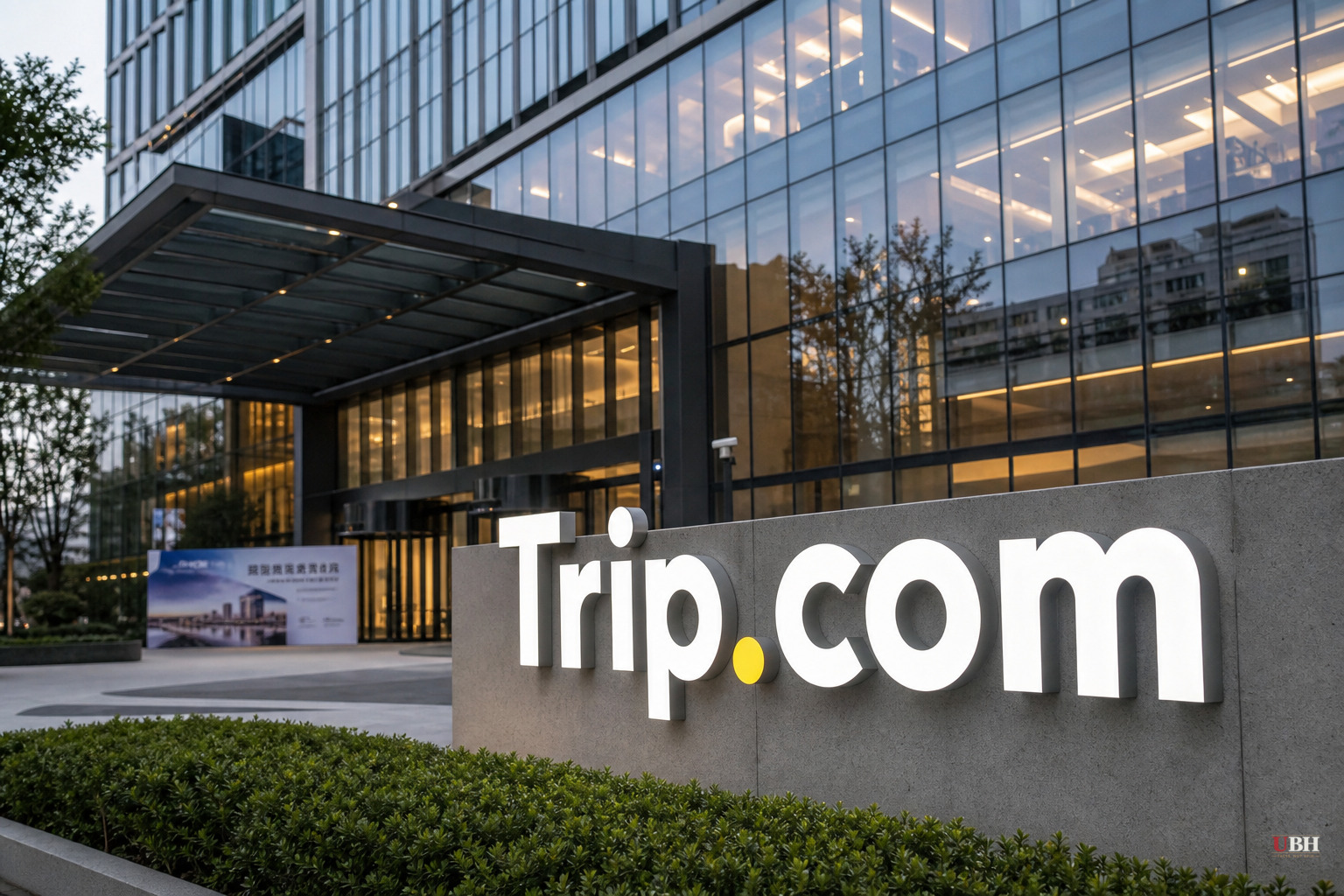
China's State Administration for Market Regulation announced Saturday, July 25, that it fined Trip.com Group 5.2 billion yuan, roughly $765 million, for what it called monopolistic conduct. The number breaks down into 1.658 billion yuan in confiscated "illegal gains" plus a 3.521 billion yuan fine, according to SAMR's own statement reported by the South China Morning Post.
That fine equals 7.5% of Trip.com's 2025 domestic sales of 46.958 billion yuan. It's one of the largest antitrust penalties SAMR has handed a Chinese tech company since it went after Alibaba years ago.
SAMR says the investigation, which opened in January, found Trip.com had been abusing its market position since 2020. The regulator says the company used its traffic-allocation algorithms, platform rules and technology to force hotel partners into exclusive arrangements and pressure them to guarantee their lowest rates only on Trip.com, according to both the South China Morning Post and Bloomberg's reporting carried by The Business Times.
Regulators also say Trip.com restricted hotel operators from freely operating on rival platforms and interfered with their ability to set their own prices. SAMR frames this as direct harm to consumers, presumably through less competition on price and choice.
Just how big is Trip.com
Trip.com isn't some mid-tier app. It runs the international Trip.com platform plus China-focused Ctrip and Qunar, and it owns global flight-search site Skyscanner. Bloomberg, via The Business Times, puts the company's share of China's online travel market at about 56%, citing research firm China Trading Desk. That makes it the largest booking platform in the world, full stop.
With that kind of market share, hotel operators don't have much choice but to list on Trip.com if they want visibility. According to The Business Times, regulators believe Trip.com leveraged that dependency to keep hotels from also listing on Alibaba's Fliggy, ByteDance's Douyin, or Meituan.
Not an isolated case
This fits a pattern. The Business Times reports that Chinese authorities summoned Trip.com's rivals, including Douyin and Meituan, over separate antitrust concerns last year. SAMR is the same agency that launched the landmark probe into Alibaba, which resulted in a record fine and helped wipe out hundreds of billions of dollars in market value across China's tech sector starting in 2020.
The regulatory rationale this time has a twist. The Business Times reports SAMR and other officials are increasingly worried that cutthroat competition among online travel platforms is squeezing hotel operators' margins so hard it's feeding into China's broader deflationary pressures. Beijing appears worried about price wars dragging down an already sluggish domestic economy, not purely a consumer-protection story.
What's disputed and what isn't
What's proven here is limited to what SAMR itself asserts in its own statement: the size of the fine, the dates of the alleged conduct, and the specific business practices named, exclusive dealing arrangements and rate-parity demands. Neither source cited any independent audit or court ruling confirming SAMR's underlying findings. There's no indication in either report that Trip.com contested the findings publicly or that an appeals process is underway.
A fair-minded skeptic of Beijing's antitrust enforcement would point out that China's market regulator operates with essentially no independent judicial check the way, say, the U.S. Federal Trade Commission does when it goes to federal court. SAMR investigates, SAMR decides guilt, SAMR sets the fine. There's no jury, no adversarial courtroom process reported here, and no public disclosure of Trip.com's side of the story in either source. That's a legitimate structural concern. When the regulator, prosecutor, and judge are the same body, penalties can double as political signals as easily as consumer protection.
That said, the underlying business practice described, locking suppliers into exclusivity through algorithmic leverage, is the same category of conduct that's landed Amazon, Google, and Meta in regulatory crosshairs in the U.S. and EU. Dominant platforms squeezing smaller partners through rate-parity clauses isn't a uniquely Chinese invention. Whether Trip.com actually did what SAMR alleges, and to what degree hotel operators were genuinely harmed versus just annoyed, remains something outside observers can't independently verify from these two reports alone.
What happens next is the open question. Neither source indicates whether Trip.com plans to appeal, adjust its hotel-partner contracts, or take the hit and move on. Given SAMR's track record with Alibaba, Meituan, and now Trip.com, expect other Chinese platforms, particularly Meituan and Douyin, already flagged for antitrust review last year, to face similar scrutiny in the months ahead.
Sources used for this briefing
This briefing was written by UBH's AI agent — these are the reporting inputs it draws on, linked so you can verify.


