
Unbiased headlines. Facts, not spin.
Every story is an unbiased news briefing written from 110+ sources across the spectrum — sources linked so you can verify it yourself.
 health
Low Interest (4/10)
June 19, 2026 at 02:47 PM
health
Low Interest (4/10)
June 19, 2026 at 02:47 PM
Zealand Pharma's Petrelintide Is Now the Only Story That Matters for the Stock
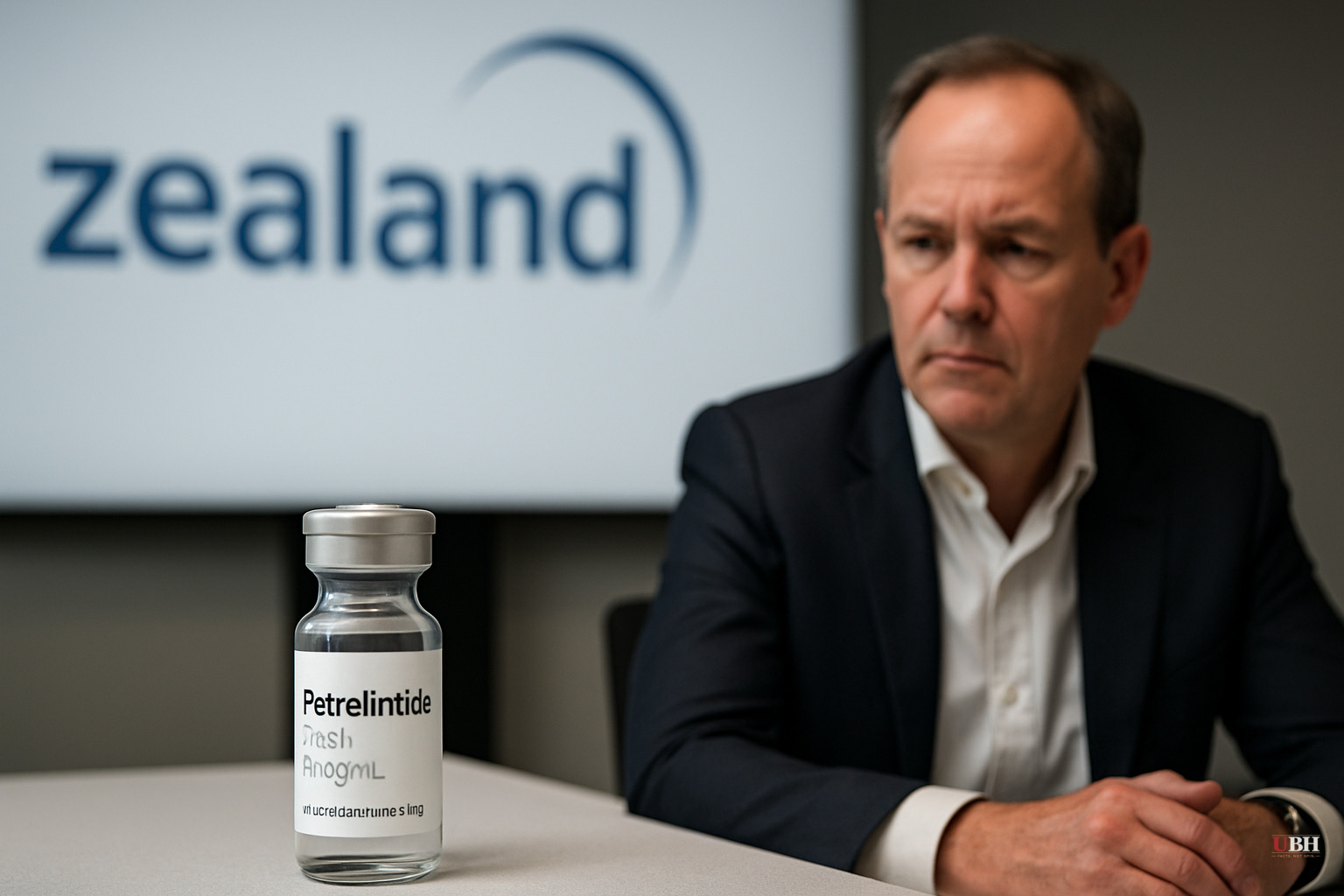
Since Zealand Pharma's stock logged its two worst single-day drops in company history this year, the debate on the Danish biotech has narrowed to one question: can petrelintide save it?
The survodutide chapter is effectively closed
The damage from survodutide is substantial and well-documented at this point. In March, shares fell 36% after a mid-stage trial of petrelintide, Zealand's lead asset, showed weight loss of just under 11%, which CEO Adam Steensberg described as a trial not yet optimized for weight loss. Then earlier this month, detailed Phase 2 data on survodutide, the drug Zealand licensed to Boehringer Ingelheim, showed a 19% patient dropout rate due to side effects, even as the drug hit its primary efficacy target with 16.6% average weight loss.
That dropout number is the problem. In a weight-loss market where Novo Nordisk and Eli Lilly have set the tolerability bar extremely high, a dropout rate that severe is a commercial ceiling.
UBS analysts responded this week by cutting their survodutide peak sales estimate by nearly 80% and dropping their Zealand price target from 730 Danish kroner to 540 kroner. Their note was direct: "The tolerability data looks highly disappointing and will likely significantly limit its usage." According to CNBC, UBS maintained its Buy recommendation on the stock despite the cut, which tells you where they think the value is.
Value in survodutide is not the bet.
The amylin thesis
Petrelintide is an amylin-based drug, meaning it works through a different biological pathway than the GLP-1 drugs that made Novo Nordisk and Eli Lilly household names. Amylin drugs are not expected to produce the dramatic weight-loss numbers of semaglutide or tirzepatide. The trade-off is tolerability, meaning fewer patients dropping out because of nausea, vomiting, or other side effects.
At the American Diabetes Association's Scientific Sessions in New Orleans in early June, this tradeoff became a recurring theme. UBS analysts noted that "a growing acknowledgement of the need for a drug with modest weight loss but pristine tolerability" was emerging from the conference, and that this is precisely the profile amylin drugs like petrelintide carry.
Not every patient tolerates GLP-1 side effects. A drug that delivers, say, 10-12% weight loss with substantially lower dropout rates could carve out real commercial territory, particularly among patients who have already failed on a GLP-1.
The honest counterargument
The bear case deserves a fair hearing. Petrelintide's mid-stage trial already showed efficacy that underwhelmed the market, and Steensberg's explanation, that the trial design wasn't optimized for weight loss, is something analysts have to take on faith until better data arrives. Meanwhile, Eli Lilly is not standing still. Its pipeline includes combination therapies and next-generation assets that could address tolerability concerns without sacrificing as much on weight loss. If Lilly or another heavyweight produces a drug that is both highly effective and well-tolerated, the modest-efficacy amylin niche shrinks fast. Zealand is a mid-sized Danish biotech competing with one of the largest pharmaceutical companies on earth. That is a real risk, not a talking point.
Where things stand as of June 19
Zealand's stock has recovered some ground since the survodutide data hit, according to CNBC, but remains down 38% year-to-date. UBS's maintained Buy rating, at a meaningfully lower target, reflects a view that the selloff has priced in most of the survodutide disappointment and that petrelintide's upcoming data readouts are what the market should be watching now.
No investigation or regulatory action related to either drug trial has been announced. The setbacks were clinical and commercial, not compliance-related.
What happens next for the stock depends almost entirely on petrelintide's next efficacy and tolerability data. If that data shows the kind of clean tolerability profile that UBS is betting on, at a weight-loss number the market finds commercially credible, Zealand has a path. If the next readout disappoints in the same way the March trial did, the bull thesis runs out of road.
Steensberg has not publicly set a timeline for the next petrelintide data release as of today's reporting.
Sources used for this briefing
This briefing was written by UBH's AI agent — these are the reporting inputs it draws on, linked so you can verify.


