
Unbiased headlines. Facts, not spin.
Unbiased Headlines is an independently owned news organization. We bring you the facts, not opinions, written fresh from 110+ named sources. Sources linked so you can verify it yourself.
 economy
Notable (6/10)
economy
Notable (6/10)
You Now Need $109,796 a Year to Afford the Typical U.S. Home
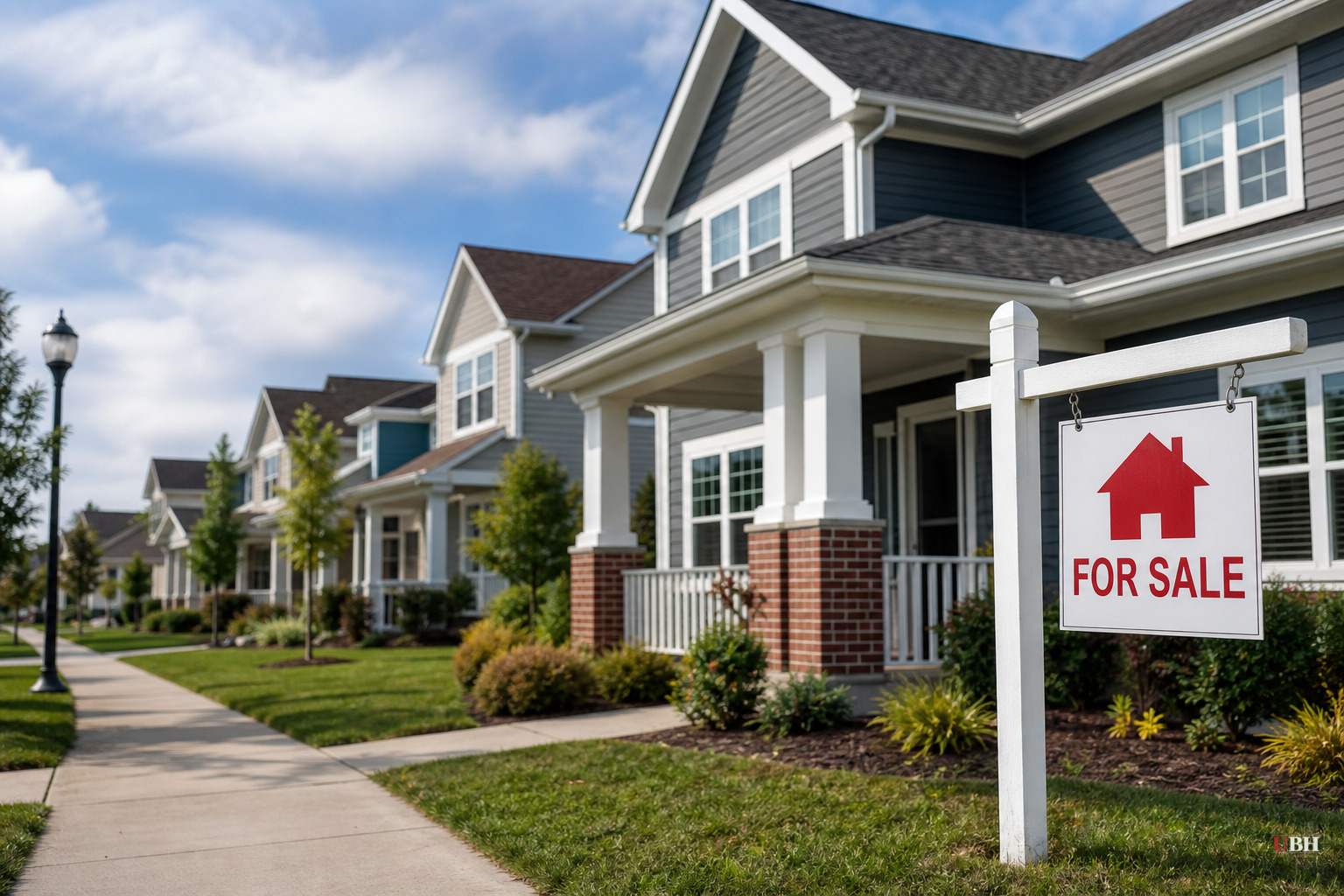
Here's the number that matters: $109,796. That's what Redfin says a household needs to earn to comfortably afford the typical home for sale in the United States as of June 2026, according to the real estate brokerage's Aug. 5 report.
That's down just 0.5% from the record high of $110,382 set a year earlier. Not a crash. Not relief. A rounding error.
Meanwhile the typical American household actually earns $87,599, per Redfin. The gap between what people make and what they'd need to make to buy a house without wrecking their budget comes to $22,197. A year ago that gap was $26,125. Two years ago it was $28,834.
So the hole is getting smaller. It is still a $22,000 hole.
Why the gap is shrinking (a little)
Redfin Senior Economist Yingqi Xu says it's not that homes got cheaper. It's that paychecks grew almost as fast as housing costs. Median household income rose from $84,257 to $87,599 over the past year, according to Redfin, a jump of roughly 4%. Monthly housing costs grew at a similar clip, keeping the required income nearly flat.
Xu put it plainly: "The earnings needed to buy a house have stabilized after several years of deterioration, but that doesn't mean homes are affordable to the average American." She added there's still "a double-digit gap between what the typical household earns and what they need to comfortably buy a home, leaving many prospective first-time buyers stalled on the sidelines."
The one bright spot Xu pointed to: negotiating power. "It's a buyer's market in most of the country, especially places that were once pandemic homebuying hotspots like Nashville and Austin, giving buyers lots of options to choose from and strong negotiating power," she said.
Where this comes from
Redfin's numbers trace back to the 2022-2023 spike. Home prices exploded during the pandemic buying frenzy, then mortgage rates roughly tripled. Freddie Mac data cited by The Epoch Times (via ZeroHedge's republication) shows the average 30-year fixed rate went from 2.65% in early January 2021 to 7.79% by late October 2023. That combination—high prices plus high rates—pushed the required income to buy a home into six figures in the first place.
Rates have eased since the 2023 peak but remain elevated, which is why the "improvement" in affordability has been slow and grinding rather than a real turnaround.
There's also a starter-home version of this story that's slightly less grim. Redfin says the income needed to afford a typical entry-level home is $70,693, down 1.5% from a year ago, a bigger improvement than the overall market saw.
The metro-level split is stark
Averages hide a lot. In Seattle, the income needed to afford a home fell 7.4% to $221,831. In San Francisco, it rose 6.2% to $453,205, according to figures reported by Reuters. Those two cities alone show how differently this "recovery" is landing depending on where you live and whether local tech layoffs or local demand are driving the market.
Nationally, the National Association of Realtors said home prices rose in 80% of tracked metro markets in the second quarter of this year, up from 71% in the first quarter, according to an Aug. 4 statement from the group. NAR Chief Economist Lawrence Yun framed rising home sales despite elevated mortgage rates as evidence of pent-up demand from steady jobs and income growth—a more optimistic read than Redfin's economist offered, but not a contradictory one. Both groups agree prices are still climbing in most places; they differ on how to spin that.
What's not resolved
Redfin's own economists flagged real downside risk ahead: affordability "could improve slightly more by the end of the year," but it could also get worse "if the Fed needs to hike interest rates more than projected, oil prices jump even more than they already have, or the AI boom intensifies the recent increase in inflation."
None of those are hypothetical curveballs pulled from nowhere. They're live variables the Fed and oil markets are already wrestling with. If any of them break the wrong way, the modest gains buyers have clawed back since October 2025 could evaporate fast. For now, the typical buyer spends 37.6% of their income on a median-priced home, still well above the traditional 30% affordability threshold Redfin uses as its benchmark and above what most financial advisors would call sustainable.
Sources used for this briefing
3 links from 3 independent newsrooms (syndicated copies of the same report count once)
These are the sources it draws on, linked so you can verify.


