
Unbiased headlines. Facts, not spin.
Every story is an unbiased news briefing written from 110+ sources across the spectrum — sources linked so you can verify it yourself.
 tech
Notable (5/10)
August 4, 2026 at 11:11 PM
tech
Notable (5/10)
August 4, 2026 at 11:11 PM
X's Ad Revenue Hit $367 Million Last Quarter, Still Down From 2022 Levels
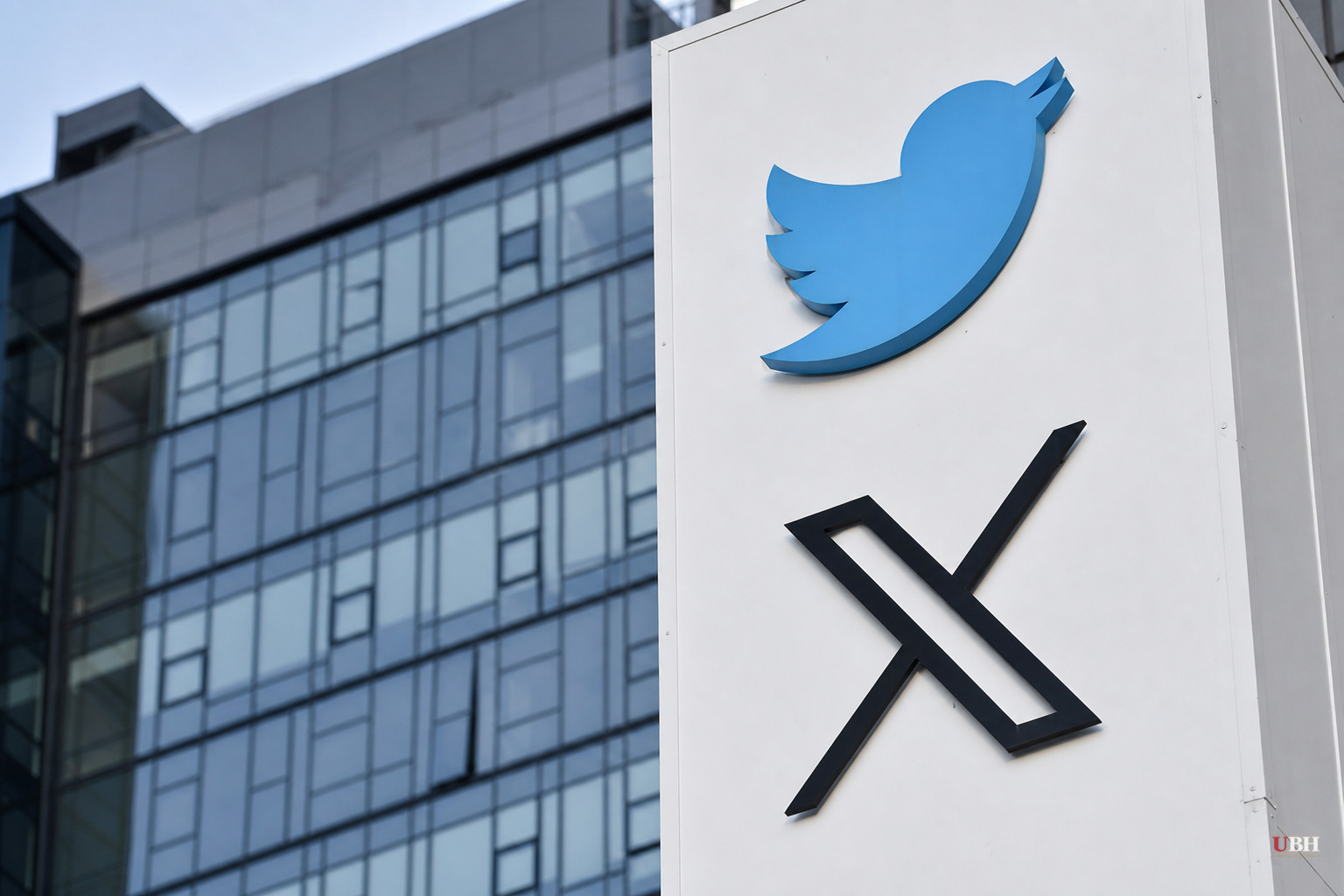
SpaceX reported its first quarter of earnings as a public company, and buried in the numbers was the clearest look yet at what's left of X's advertising business, according to Engadget.
The platform formerly known as Twitter brought in $367 million in advertising revenue between April and June of this year. That's up from $343 million the prior quarter. It's down from $426 million in the same three-month stretch last year, Engadget reported.
Compare that to the last time Twitter reported financial results as a standalone public company, in the second quarter of 2022. Back then, quarterly ad revenue was $1.08 billion. Today's number is roughly a third of that.
SpaceX's CFO Bret Johnsen credited the quarter-over-quarter uptick to an "overhauled" ad tech platform, according to Engadget's account of the analyst call. That was the only mention advertising got during the hour-long call. For a business that used to define Twitter's revenue model, that's a pretty small footnote.
Why the drop happened
The collapse in ad revenue isn't a mystery. Musk cut thousands of employees early in his tenure, and he sued advertisers who pulled back from the platform. He also went on what Engadget describes as an expletive-laden tirade, telling ad buyers to stay away when he was publicly asked about their concerns.
None of that is in dispute. It's part of the public record regardless of how you feel about Musk's broader business instincts.
At the same time, X has leaned hard into subscriptions as an alternative revenue stream, including a Premium+ tier that strips ads out entirely. SpaceX's filing didn't break out how much revenue comes from those subscriptions, or how many daily active users X has. That's a notable gap. If X wants credit for replacing lost ad dollars with subscription revenue, the company would need to actually disclose those numbers. It hasn't.
The comeback claim
X's own ads leadership has pushed a more optimistic story. In January, the company's ads boss told Digiday that "97 of the top 100 advertisers have returned, and in some cases spending even more than they did before Musk's arrival," per Engadget's reporting.
If 97 of the top 100 advertisers really are back and some are spending more, you'd expect that to show up as sustained revenue growth over multiple quarters, not just one modest quarter-over-quarter bump from $343 million to $367 million after a year of decline. One data point doesn't confirm or refute the claim. It's plausible advertisers came back at lower spending commitments than before, which would be consistent with both things being true: advertisers "returned" and total ad revenue still sits at a fraction of 2022 levels.
Advertising is now a rounding error
The bigger story in the earnings report has nothing to do with ads. SpaceX pulled in $2.2 billion in revenue from its AI division last quarter, driven largely by its deal with Anthropic. Starlink brought in $4.3 billion. The company's "space" division brought in $962 million.
Set next to those figures, X's $367 million in ad revenue is a rounding error for the combined company. That's likely part of why it only came up once on the earnings call. Whatever X is as a media and speech platform, it is no longer a meaningful driver of SpaceX's business.
What's unresolved
SpaceX didn't disclose X subscription revenue or daily active user counts. Those numbers would tell a fuller story about whether X is actually recovering as a business or just shrinking more slowly than it was. Until the company reports them, claims about "the ad business is back" or "X is thriving" remain unverifiable either way.
Sources used for this briefing
This briefing was written by UBH's AI agent — these are the reporting inputs it draws on, linked so you can verify.


