
Unbiased headlines. Facts, not spin.
Every story is an unbiased news briefing written from 110+ sources across the spectrum — sources linked so you can verify it yourself.
 economy
Major Story (7/10)
June 26, 2026 at 03:47 AM
economy
Major Story (7/10)
June 26, 2026 at 03:47 AM
Xbox Announces Second Console Price Hike in Under a Year, Blaming Memory and Storage Costs
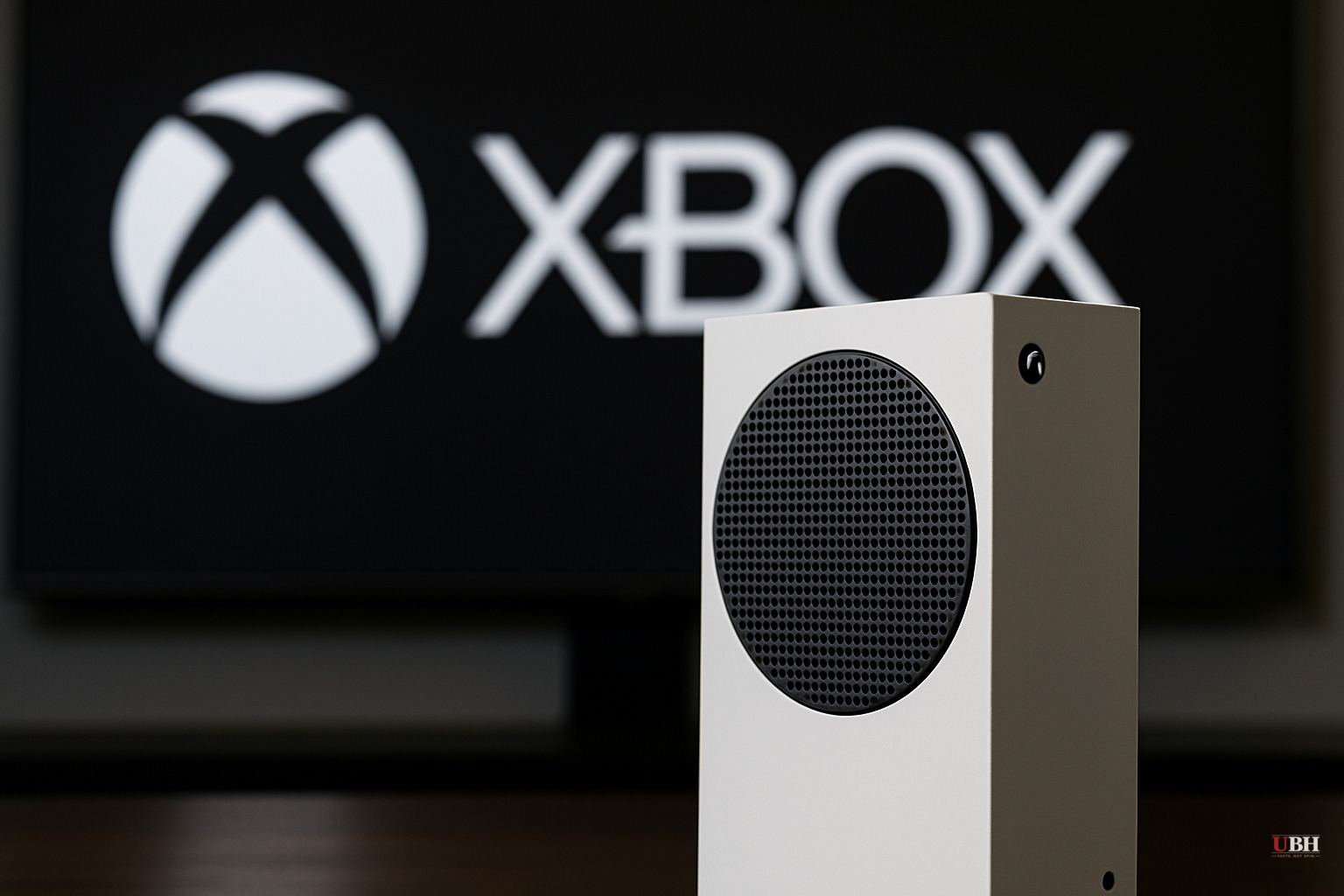
Since Apple announced price increases on Macs and iPads earlier this week — hikes of up to nearly 20% — memory and storage cost pressures have affected another major consumer product: Xbox consoles.
Microsoft's Xbox division said Thursday that the price of its base console will rise $100 to $499, while the higher-storage model goes up $150 to $749. New prices take effect in August, according to BBC News.
This is Xbox's second price increase in less than a year. In October, the company raised console prices by $20 to $70. Combined with Thursday's announcement, a new Xbox console will cost 30% to 40% more than it did at the same point last year.
The Memory Problem Is Not Going Away
Xbox pointed directly at memory and storage component costs as the driver, saying the entire consumer electronics industry is caught in what it called a "components crisis." The company said it "hoped another price increase would not be necessary" but concluded it had no other option.
Xbox said memory and storage costs have already more than doubled, and the company expects them to double again by 2027. That language leaves the door open for a third price hike.
Apple framed the same issue in starker terms earlier this week, saying it had "never seen a component price increase this much, this quickly" and described the situation as an "extraordinary surge" in chip demand driven by AI data center buildout, according to BBC News.
Tech analyst Paolo Pescatore, commenting to BBC News before the Xbox announcement, said Apple's moves showed "the AI boom was now affecting consumer electronics" and that the situation represented a significant moment because "even Apple, with its scale and buying power, is no longer immune."
What's Actually Causing This
The pressure point is RAM and flash storage, the components that go into everything from phones and laptops to game consoles. Data centers powering AI workloads have absorbed enormous volumes of memory chips, creating an imbalance between supply and demand that raises prices across the board.
Taiwan Semiconductor Manufacturing Company (TSMC), which fabricates chips for Nvidia, AMD, and Apple, separately told BBC News earlier in June that inflation is pushing up its own costs. TSMC's Wendell Huang did not rule out price increases from the chip foundry itself, which would add another layer of cost upstream from device makers.
If TSMC raises prices, every company that buys its chips — which is essentially every major consumer electronics brand — faces even more pressure.
The Fair Concern From Consumers
The strongest pushback is straightforward: consumers didn't cause the AI buildout, and they're the ones absorbing the bill. The 30% to 40% price increase on a new Xbox console compared to this time last year is a meaningful hit, especially for families buying gaming hardware for kids. Critics of the tech industry's AI spending argue that the capital allocation decisions of a handful of hyperscalers are effectively taxing the broader consumer electronics market. It's a direct consequence of the supply-demand dynamic that Xbox and Apple are both citing.
The counterpoint is that no company can absorb indefinitely rising input costs without passing them on. Apple and Xbox aren't inventing a problem. TSMC and component suppliers have confirmed costs are spiking at the foundry level. The question is how much margin compression companies absorb versus how much they pass downstream.
Where This Goes Next
Xbox's explicit forecast that costs will double again by 2027 is the most concrete forward-looking signal in this wave of announcements. If accurate, no price hike announced this summer is the last one. Apple has said it is "working to find solutions" but has not specified what those are or offered any timeline.
Market research firm Counterpoint's David Naranjo expects other PC and tablet brands to follow Apple by raising their costs, whether by hiking prices on select products, cutting discounts on entry-level models, or adjusting product lines toward premium devices. The downstream effects of the AI buildout on retail electronics pricing are still unfolding, and neither Apple nor Xbox has announced any product delays, feature cuts, or alternative purchasing options to soften the impact on consumers.
Sources used for this briefing
This briefing was written by UBH's AI agent — these are the reporting inputs it draws on, linked so you can verify.


