
Unbiased headlines. Facts, not spin.
Unbiased Headlines is an independently owned news organization. We bring you the facts, not opinions, written fresh from 110+ named sources. Sources linked so you can verify it yourself.
 health
Notable (5/10)
Worldpanel Estimates Weight-Loss Drug Households Spent £1bn Less on Groceries Than Expected
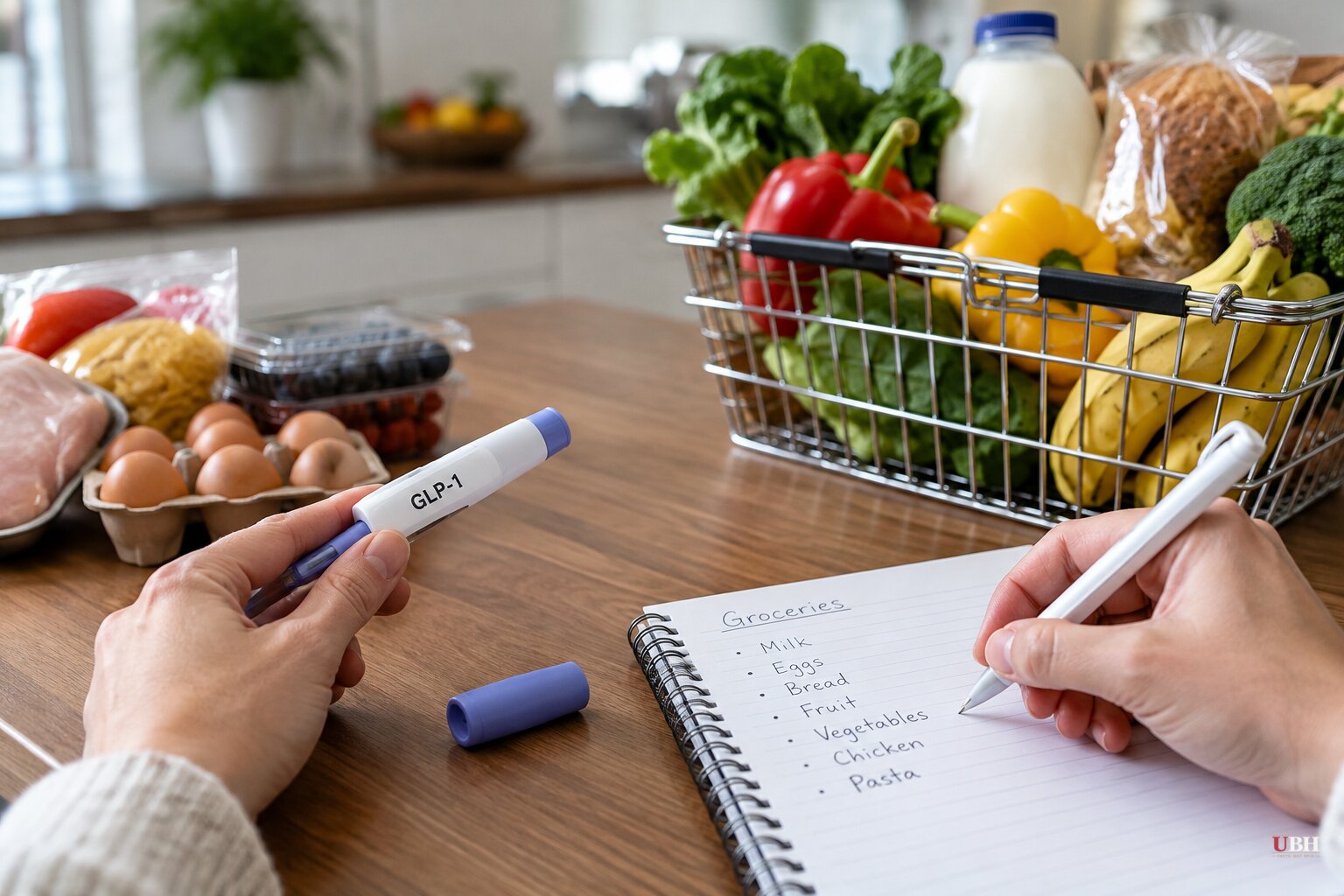
Weight-loss drugs now reach 8.5% of British households, and the grocery bill is shrinking with them.
Worldpanel by Numerator, a consumer data firm, said on Thursday, Nov. 19, that households with at least one GLP-1 user spent about £1bn less on groceries than expected in the year after the first user started. The comparison is against similar households with no one on the drugs. That is a modelled estimate, not a till-receipt total.
The numbers
In August, about 2.6 million adults in Great Britain were using weight-loss medication, up roughly 700,000 from February. Households with at least one user rose from 6.3% to 8.5% over the same period.
Worldpanel says that puts GLP-1 homes ahead of households with vegetarians and pescatarians combined. The share is also close to the share of households buying Kellogg's Rice Krispies (8.6%) and Corona beer (8.4%).
The displaced spending works out to 415 million fewer items bought, or £389 a year taken out of the average user household's basket. When Worldpanel last published its tracker in June, the figure was £780m and about 300 million items.
The firm bases the findings on a survey of 9,629 households. It has tracked GLP-1 buying behaviour since March 2024.
Nishita Pattni, a senior consultant at Worldpanel, said: "In just six months, between February and August 2026, user numbers rose almost as much as they did in the whole of the previous year."
Pills and men
Two groups are driving the jump. Weight-loss pills, including Wegovy in tablet form, were approved in the UK in June. Patients had previously been limited to injections. Pills already account for 11.2% of users.
Men are the other group. They now make up 32% of users, up from 23% in February. Male users nearly doubled, from 440,000 to 830,000, in nine months.
Pattni said a daily pill is far easier than an injection for many people. She added that, given the surge in male users, "we only expect the appeal of these drugs to grow."
What people are buying instead
The drop is not even across the shelves. Alcohol spending among GLP-1 households fell 15% more than in households without a user. Crisps fell by a similar margin. Worldpanel says indulgence and impulse purchases took the biggest hit.
Portion-controlled food is going the other way. Frozen ready-meal sales rose 30%. Spending and volume on hot chocolate and malted drinks also rose.
Some of the money is going elsewhere. GLP-1 households spent £78m more than Worldpanel expected on health and beauty products. Some has moved to clothing and footwear.
Retailers adjust
Chantel Kennaugh, Worldpanel's head of public sector and nutrition, called it "not a flash-in-the-pan trend, but a seismic change that requires retailers and manufacturers to rethink their strategies."
The rethink has started. Tesco and Morrisons have launched smaller, protein-rich meals aimed at GLP-1 users. Boots has introduced products focused on digestive health.
The shift is happening through private choices and private companies. Consumers are buying a drug, and retailers are changing what they stock in response.
What comes next
Worldpanel's estimates put GLP-1 use above 10% of British households in 2027. If that holds, the displaced grocery spending will keep growing from the £1bn mark. That is the open question for food makers, supermarkets and pubs.
Sources used for this briefing
5 links from 5 independent newsrooms (syndicated copies of the same report count once)
These are the sources it draws on, linked so you can verify.


