
Unbiased headlines. Facts, not spin.
Unbiased Headlines is an independently owned news organization. We bring you the facts, not opinions, written fresh from 110+ named sources. Sources linked so you can verify it yourself.
 economy
Major Story (7/10)
economy
Major Story (7/10)
World Food Prices Hit Highest Level Since January 2023, UN Says War and Heat Are Driving It
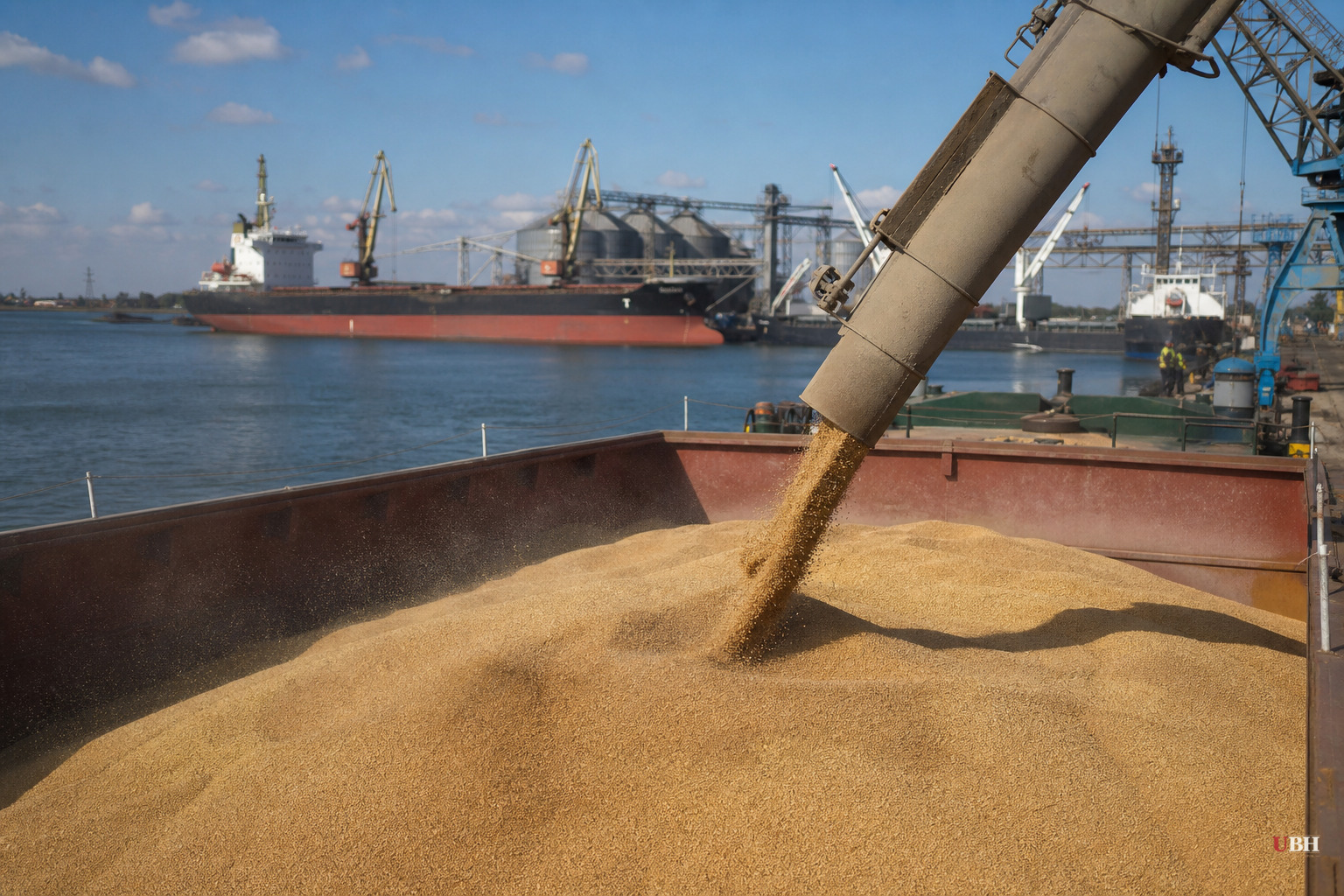
Grain prices just hit a three-year high. Blame the usual suspects: war, weather, and the fact that governments keep finding new places to fight.
The UN's Food and Agriculture Organization said Friday its Food Price Index averaged 131.1 points in July, up from 130.3 in June, according to Reuters. That's the highest reading since January 2023. FAO's chief economist told Reuters the world is staring down another round of food inflation, driven by the wars in Iran and Ukraine plus the return of El Niño weather patterns.
Wheat is the headline number. Prices jumped 5.8% month-on-month in July and sit nearly 10% above where they were a year ago, according to the Guardian's live coverage of the FAO report. FAO attributed that to "continued disruptions to Black Sea export flows and damage to export infrastructure," compounded by heatwaves hammering crop yields in several major producing countries.
Russia and Ukraine together account for more than a quarter of global wheat exports, according to Transport Topics. Both countries escalated attacks on each other's port infrastructure in July. Russian forces hit Odesa's port facilities. Meanwhile Russia's own export hub at Novorossiysk informally banned nighttime shipping traffic because Ukrainian drone strikes intensified, and vessels got barred from anchoring at Sea of Azov and Kavkaz ports that lack organized air defenses.
Mike Verdin, senior markets consultant at CRM AgriCommodities, told Transport Topics the market had been coasting on the assumption that grain shipments would keep flowing despite the war. Not anymore. He called the renewed disruption "a reopening of the original wound caused by Russia's invasion." His point: it's not just what Russia and Ukraine can physically export, it's whether importers trust that supply chain enough to keep buying without paying a premium. Many won't take the risk. They'll pay extra for reliability, and that premium shows up in every loaf of bread down the line.
Chicago wheat futures backed that up, hitting a two-year high on July 23 after a single-session jump of more than 4%, Transport Topics reported. Soybean futures hit a two-year high the same day.
The cereal index overall rose 3.4% for the month, according to Reuters, and maize climbed 3.6% on worries about hot, dry conditions in the U.S. Corn Belt plus spillover from firmer energy markets. Barley actually fell 1.9%, since good harvests in Australia and the Black Sea region offset heat losses in the EU. Rice held roughly steady.
Then there's the Iran war. Fighting between the U.S. and Iran pushed crude oil to multi-week highs, according to Transport Topics. Higher oil prices boost demand for biofuel feedstocks like corn and vegetable oil. FAO's vegetable oil index rose 2% to its highest level since June 2022, with palm and soy oil gaining on stronger biodiesel demand even as rapeseed and sunflower oil slipped.
Sugar prices jumped 5.6% on weather worries in Europe and Asia plus expectations of stronger ethanol demand in Brazil, per Reuters.
Not everything went up. Meat prices fell 2.8% off a record set in June, with poultry, pork and beef all declining, though sheep meat hit a record high because Oceania's export supply is tight. Dairy dipped 0.7%.
FAO's own numbers show the July index remains 18.2% below the peak hit in March 2022, right after Russia's full invasion of Ukraine. Grain stockpiles are still described as largely ample after several bumper harvest years, according to Transport Topics. This is a real upward trend, not yet the kind of supply shock that triggered bread riots and export bans in 2022. Prices are rising, but they're rising from a lower base than the last true crisis, and inventories haven't collapsed.
But the trend line matters. This is the second time in 2026 that crop prices have spiked on war risk, according to Transport Topics. The first came in May, when the Iran conflict disrupted fertilizer and fuel shipments, before that risk premium faded in June. Now it's back, layered with actual combat damage to Black Sea port infrastructure rather than just fear of disruption.
The open question is how long Russia and Ukraine keep hitting each other's export corridors, and whether Novorossiysk's nighttime shipping restrictions become permanent. If Black Sea grain flows stay unreliable through the fall harvest season, the "reliability premium" Verdin described doesn't go away. It becomes the new normal price of doing business in global wheat markets, and that cost eventually lands on grocery shelves everywhere, including in the United States.
Sources used for this briefing
3 links from 3 independent newsrooms (syndicated copies of the same report count once)
These are the sources it draws on, linked so you can verify.


