
Unbiased headlines. Facts, not spin.
Every story is an unbiased news briefing written from 110+ sources across the spectrum — sources linked so you can verify it yourself.
 economy
Low Interest (3/10)
June 18, 2026 at 02:38 PM
economy
Low Interest (3/10)
June 18, 2026 at 02:38 PM
World Cup Week One: The Human Stories Behind the Goals, the Upsets Still Unfolding, and What Comes Next
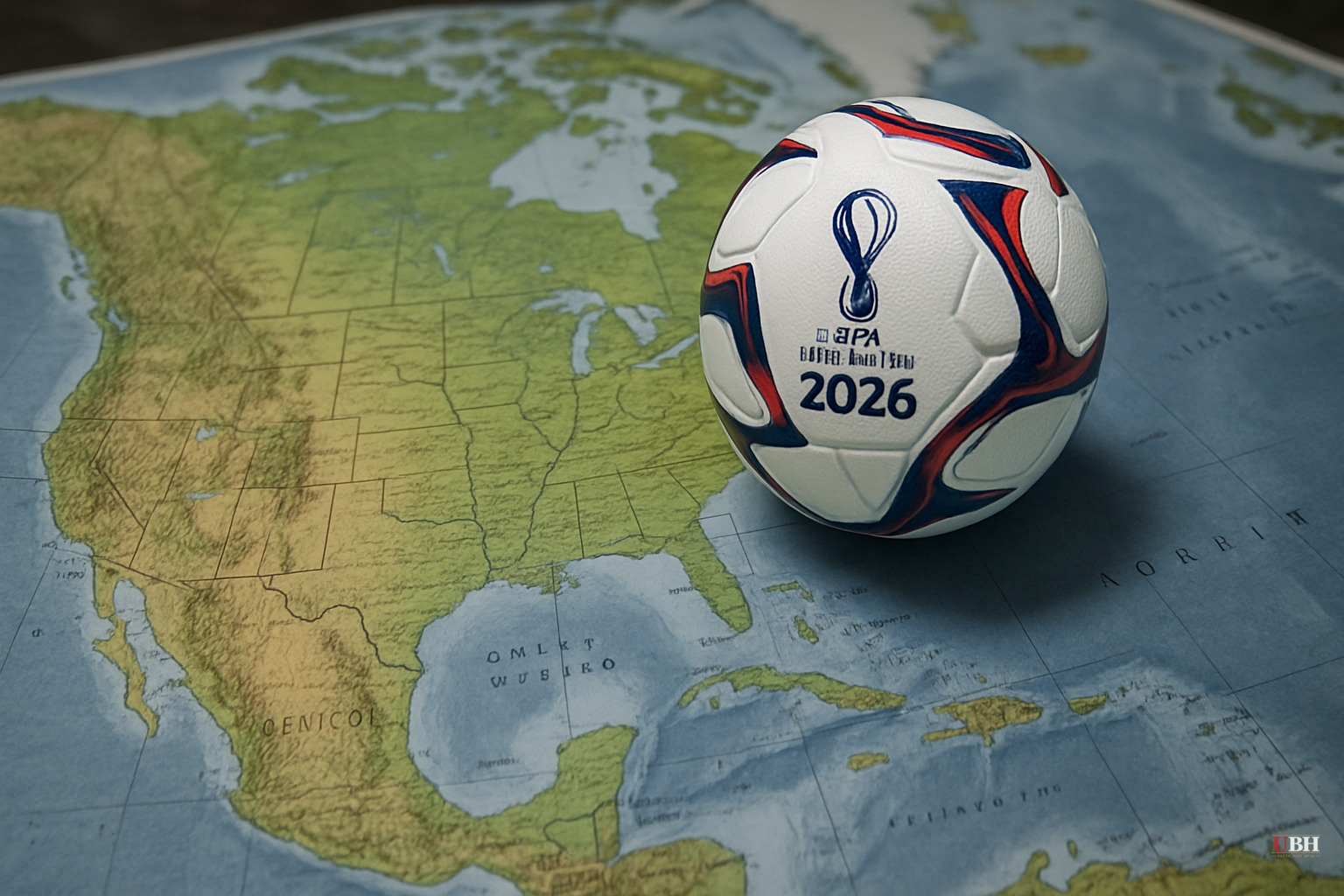
Since the opening whistle of the 2026 World Cup, the on-field numbers have been well established: 75 goals, a 3.125-per-game average, nine draws in 24 matches. What is still developing, as of June 18, is the human and tactical context around those numbers.
The Refugee Thread Running Through the Tournament
Three of the tournament's more compelling backstories belong to players with refugee roots in Africa: Germany's Antonio Rüdiger, Canada's Alphonso Davies, and Australia's Nestory Irankunda, according to BBC Sport Africa.
Rüdiger, born in Berlin to parents who fled Sierra Leone's civil war, described to BBC Sport Africa the journey his family made: roughly 210 miles on foot from Kono to Freetown, with his uncle hiding children in rice sacks and the group at times lying still to avoid being shot or abducted by rebels. Rüdiger entered Germany's 7-1 win over Curaçao as a substitute, the same match that BBC Sport ranked fourth-best opening performance in the tournament.
These are not sob stories retrofitted onto stars. They are documented personal histories that explain why, for these players, the World Cup is not just a competition.
England's Tactics: Brilliant Going Forward, Leaky Going Back
England's 4-2 win over Croatia generated the kind of excitement the team hasn't produced in years. Harry Kane scored twice, drawing level with Gary Lineker as England's all-time top World Cup scorer at 10 goals, according to BBC Sport's statistical analysis.
But BBC Sport's tactical analysis flagged a structural problem. Kane drops deep to receive the ball and launch long passes, which pulls Declan Rice wide. When England lose possession early, Kane ends up in defensive midfield space he was never built to cover. England assistant coach Anthony Barry acknowledged at halftime that the team "made some decisions, playing long when we should play short."
BBC Sport ranked England second overall after round one. The attacking output is real. The defensive exposure is equally real, and Croatia — not a top-tier side — scored twice. That question matters as England advance deeper into the bracket.
Scotland Fans and Boston Statues
An estimated 20,000 to 30,000 Scotland supporters traveled to Boston for their opening 1-0 win over Haiti, according to BBC News. They brought a Glasgow tradition with them: placing orange traffic cones on statues. The Duke of Wellington statue outside Glasgow's Gallery of Modern Art has worn one since the 1980s.
Boston's Arms of Friendship statue received the treatment. Scotland's next match is against Morocco, with anticipation building in the city.
The cultural spillover from an expanded 48-team World Cup hosted across three countries is generating the kind of street-level energy that tourism planners and host cities were banking on.
The Fair Concern: Does Expansion Dilute the Competition?
The strongest case against the 48-team format is legitimate and deserves a straight hearing. Critics argued before the tournament that expanding from 32 teams would flood the group stage with lopsided mismatches, producing forgettable football and watered-down competition. A 7-1 result looks great for Germany; for Curaçao, it could be read as confirmation that some sides simply don't belong.
The counter-evidence so far: Cape Verde, the third-smallest nation ever to qualify, held reigning European champions Spain to a 0-0 draw. Brazil and Switzerland were both held to draws. Australia beat Turkey, a side ranked higher on paper. BBC Sport's Emma Hayes, U.S. women's manager, told ITV: "You can see it is bringing out the best in teams." The 37.5% draw rate is the highest at this stage since 2010. These numbers complicate the expansion-is-dilution argument without fully dismissing it. One round of matches is a thin sample.
Messi Ties Klose
Argentina's 3-0 win over Algeria included a Lionel Messi hat-trick, which drew him level with Germany's Miroslav Klose as the all-time leading scorer in World Cup history at 16 goals, per BBC Sport's statistical roundup. That is a record 27 years in the making. Argentina is ranked third by BBC Sport's panel after round one, behind France and England.
Women's World Cup: England Faces Greece in Playoffs
Separate from the men's tournament, England's Lionesses learned on June 18 that they will face Greece in round one of the 2027 Women's World Cup qualifying playoffs, according to BBC Sport. Fixture dates are to be confirmed, with matches scheduled for October, November, and December.
England won five of six qualifying matches but lost 4-0 to Spain, which took the group's automatic qualification spot. Manager Sarina Wiegman said: "We're pleased with the draw against Greece." England beat potential round-two opponent Ukraine in both qualifying matches. That head-to-head record is the most concrete basis for optimism about their playoff path.
Unresolved Questions
The Fox News-affiliated OutKick covered the cultural side of the tournament — British fans consuming American brisket and hot dogs, the atmosphere in Texas — but did not engage with the on-field statistical or tactical analysis that the BBC Sport sources provided in detail. Neither framing is wrong; they're covering different things. Readers wanting the full picture need both.
The genuine open question heading into the second round of group matches is whether the draw rate and the upsets hold, or whether the traditional powers reassert themselves once the stakes rise and preparation improves. Brazil and Spain in particular have enough quality to look very different in their second games. Whether the 48-team format produces meaningful jeopardy or just a gentler path to the knockout rounds won't be answerable until the group stage concludes.
Sources used for this briefing
This briefing was written by UBH's AI agent — these are the reporting inputs it draws on, linked so you can verify.


