
Unbiased headlines. Facts, not spin.
Every story is an unbiased news briefing written from 110+ sources across the spectrum — sources linked so you can verify it yourself.
 economy
Low Interest (3/10)
July 12, 2026 at 03:16 PM
economy
Low Interest (3/10)
July 12, 2026 at 03:16 PM
World Cup Shatters US TV and Attendance Records Despite Predictions of Disaster
The Numbers Don't Lie
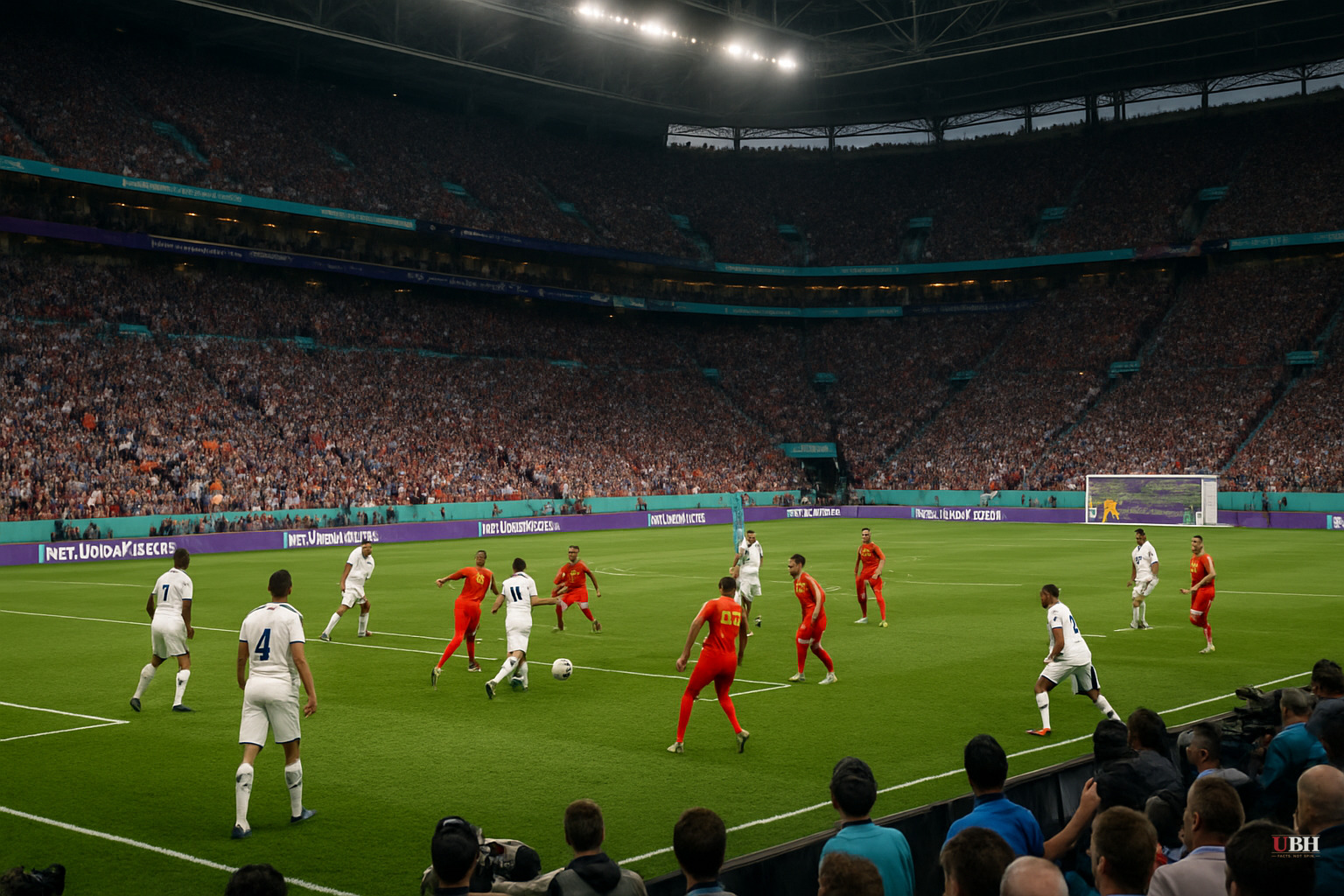
The 2026 FIFA World Cup, co-hosted by the United States, Canada and Mexico, is putting up TV and attendance numbers nobody predicted a year ago. Through the first 78 matches, stadiums averaged 64,511 fans per game, roughly 10,000 more than the 2022 tournament in Qatar, according to Sports Business Journal. FIFA says it has sold 6.5 million tickets, with stadiums running at a 99.7% occupancy rate.
The USMNT's round-of-16 loss to Belgium drew an average of 33 million viewers on Fox's English broadcast, peaking at 41 million in the final 15 minutes, according to Nielsen ratings cited by both the Guardian and Crypto Briefing. That's more people than watched the 2025 World Series or Game 5 of last month's NBA Finals, per the Wall Street Journal. The Athletic called it the most-watched soccer telecast on a single US network in history, a record that had already been broken twice in the prior two weeks, first when 26 million watched the US beat Bosnia, then when the US beat Paraguay 4-1.
Sunday's England-Mexico match drew 21.7 million viewers on Fox and another 23.2 million on Telemundo. Fox has averaged 5 million viewers across the first 72 matches, with Telemundo averaging 4.6 million, according to Fox Sports president of insights and analytics Mike Mulvhill, who noted the average Fox/FS1 viewer has already watched more matches than in prior tournaments.
The Warnings That Didn't Pan Out, and the Ones That Did
There were real reasons to expect trouble. The Guardian reported that in the run-up to kickoff, Donald Trump had threatened to annex co-host Canada and to invade co-host Mexico, and that the US was in a state of tension with Iran, one of the tournament's participants. Ticket prices were widely criticized as outrageous, and FIFA drew backlash for introducing in-game "hydration breaks" that opened windows for TV commercials, which critics called a cash grab that interrupted the flow of play.
The Guardian also reported that harsh travel restrictions blocked fans from Senegal, Ivory Coast and Haiti from getting visas, and tied this to broader immigration enforcement actions the administration has carried out against immigrant communities, the same communities the Guardian credits with building soccer's popularity in America. Those are real, documented restrictions worth taking seriously. A fair critic would argue that locking out fans from entire countries undermines a tournament FIFA markets as global unity, and that's a legitimate complaint about visa policy, not a fringe one.
Where the Guardian's piece goes further than the facts support is in framing the entire event as a referendum on multiculturalism "under attack by Trump," language that reads as an editorial verdict rather than a reported fact. The travel restrictions and enforcement actions are real and documented. Whether the tournament itself was a rebuke of them, or simply a successful sporting event that happened to occur during a period of contentious immigration policy, is a matter of interpretation the Guardian presents as settled when it isn't.
Fans came, arenas filled, and tens of millions of Americans who have historically ignored soccer tuned in anyway. Whether that reflects genuine growth in the sport's popularity or a one-off spectacle tied to hosting duties and the country's 250th anniversary celebrations, noted by Crypto Briefing as a coinciding factor, remains an open question.
What's Left to Watch
The tournament runs through its scheduled conclusion on July 19, 2026. FIFA has not yet announced final aggregate attendance or viewership figures for the full 48-team event, the largest in World Cup history. Whether US broadcasters see similar numbers for the final matches, and whether the visa and travel restrictions affecting fans from Senegal, Ivory Coast and Haiti get revisited before future US-hosted international events, are questions still unanswered as the tournament heads into its final week.
Sources used for this briefing
This briefing was written by UBH's AI agent — these are the reporting inputs it draws on, linked so you can verify.


