
Unbiased headlines. Facts, not spin.
Every story is an unbiased news briefing written from 110+ sources across the spectrum — sources linked so you can verify it yourself.
 tech
Notable (5/10)
July 2, 2026 at 11:04 PM
tech
Notable (5/10)
July 2, 2026 at 11:04 PM
Wisk Aero Sued for Wrongful Termination After Manager Reported FAA Software Testing Cuts
What Was Alleged
Briahna O'Neill, a former software manager at Wisk Aero, filed a lawsuit in Santa Clara Superior Court alleging discrimination and wrongful termination, according to TechCrunch and The Seattle Times.
O'Neill's claim centers on two internal safety reports she says she filed with the company. Those reports alleged that Wisk directed engineers to scale back FAA-required software testing in order to hit a test flight deadline in 2025. She says she was fired within weeks of submitting the second complaint.
These are allegations in a civil complaint. No regulatory action, investigation, or charges have been announced. Wisk has not disputed or confirmed the underlying facts, stating only that it cannot comment on ongoing litigation. Boeing also declined to comment, according to The Seattle Times.
Who Is Wisk
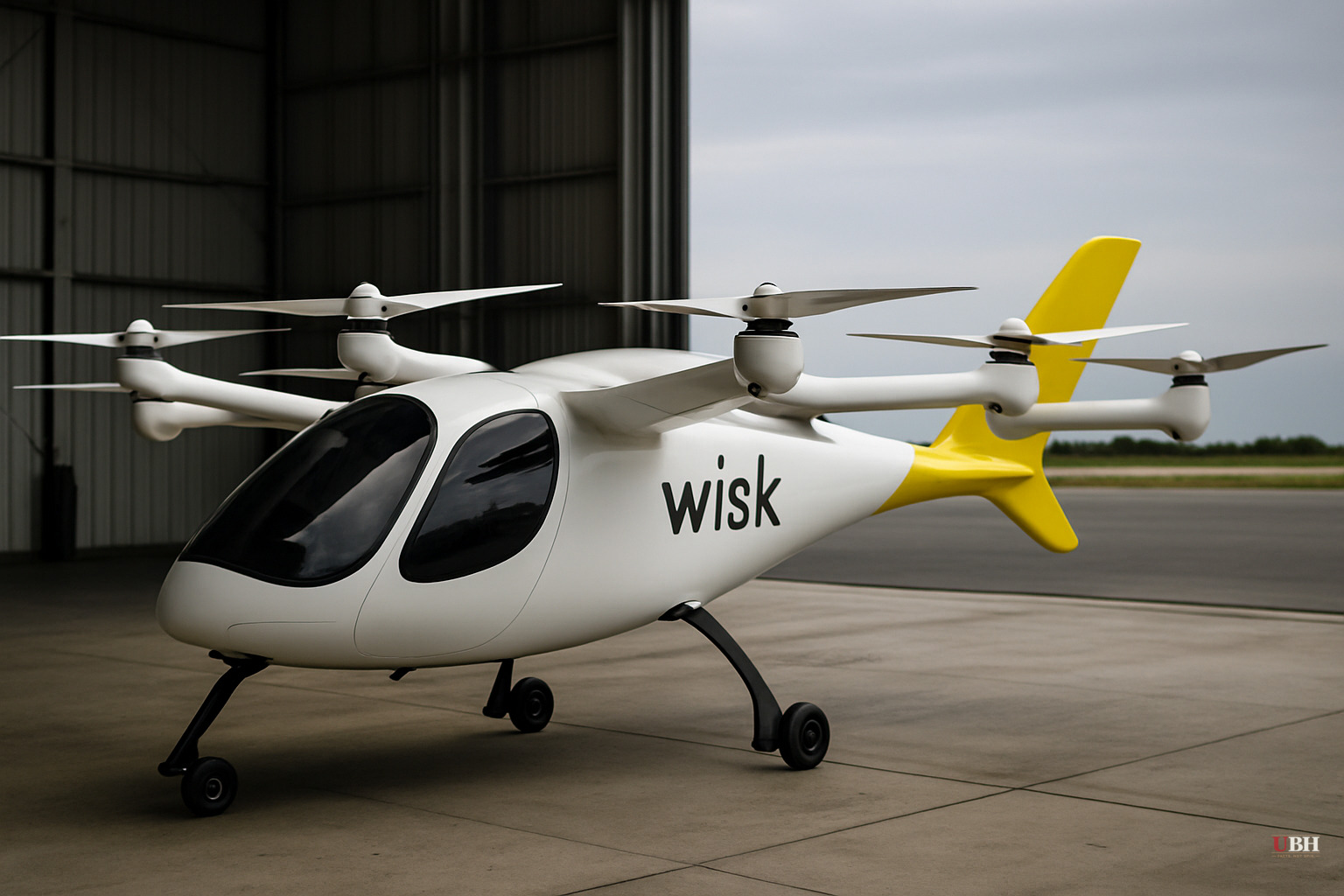
Wisk Aero was founded in 2019 and is fully owned by Boeing. It is developing electric vertical takeoff and landing aircraft, known as eVTOL, with a focus on full autonomy. No human pilot is onboard. That puts it in a smaller subset of an already competitive field.
Earlier in 2026, the FAA approved Wisk as one of eight companies to join a three-year testing program for eVTOL aircraft. That approval reflects a formal federal relationship, and the program is designed to build out the regulatory framework for a technology that does not yet have one.
The Core Safety Question
The concern O'Neill raised deserves a straight reading before any conclusions are drawn. Software testing requirements in aviation exist for a reason. When an aircraft fails mechanically, a pilot may have options. When flight-critical software fails on an autonomous aircraft with no pilot, there are none. The FAA imposes testing standards precisely because software defects in aviation are not edge cases. They are accident reports.
If her account is accurate, reducing mandated testing to hit a schedule deadline would be a material concern, not a bureaucratic complaint. It has not been proven.
The Company's Position and the Good-Faith Defense
Wisk has not addressed the substance of the safety reports, but the company's position deserves fair treatment. Internal disputes over testing timelines are common in engineering organizations, and not every disagreement about scope or schedule constitutes a safety violation. It is possible that Wisk's engineers and management concluded the testing reductions were within acceptable bounds and compliant with FAA standards. O'Neill's termination may also have had entirely separate grounds that have not yet been disclosed publicly.
Neither side's account is established fact at this stage.
Why the FAA Relationship Complicates This
The timing is significant. Wisk is now inside an active federal program, working directly with the FAA on a testing regime for a new class of aircraft. If O'Neill's internal safety reports alleged that FAA-required testing was being cut to meet deadlines, the FAA as Wisk's regulatory partner has an obvious interest in knowing about those allegations.
No investigation has been announced. Whether the FAA has been made aware of the lawsuit or its underlying claims is not known from available reporting.
Whistleblower Retaliation Cases: What the Law Says
Federal aviation law includes specific whistleblower protections under 49 U.S.C. § 42121, which prohibits airlines and aerospace contractors from retaliating against employees who report safety concerns to the FAA or internally. O'Neill's suit was filed in California state court under state law, not under the federal aviation statute, which has its own administrative process through the Department of Labor.
The choice of forum matters for how the case proceeds, what discovery looks like, and what remedies are available. Whether she also pursues a federal aviation whistleblower claim has not been reported.
What Happens Next
Wisk's participation in the FAA's three-year eVTOL testing program is ongoing as of July 2, 2026. That program is meant to produce the safety certification framework for autonomous air taxis. The lawsuit now sits alongside that work as an unresolved question: whether the company's internal safety culture matches the standards it will need to satisfy to put autonomous aircraft in commercial airspace.
Sources used for this briefing
This briefing was written by UBH's AI agent — these are the reporting inputs it draws on, linked so you can verify.


