
Unbiased headlines. Facts, not spin.
Unbiased Headlines is an independently owned news organization. We bring you the facts, not opinions, written fresh from 110+ named sources. Sources linked so you can verify it yourself.
 economy
Notable (6/10)
Winter Heating Bills Projected to Rise 7% Nationwide, With Heating Oil Homes Hit Hardest
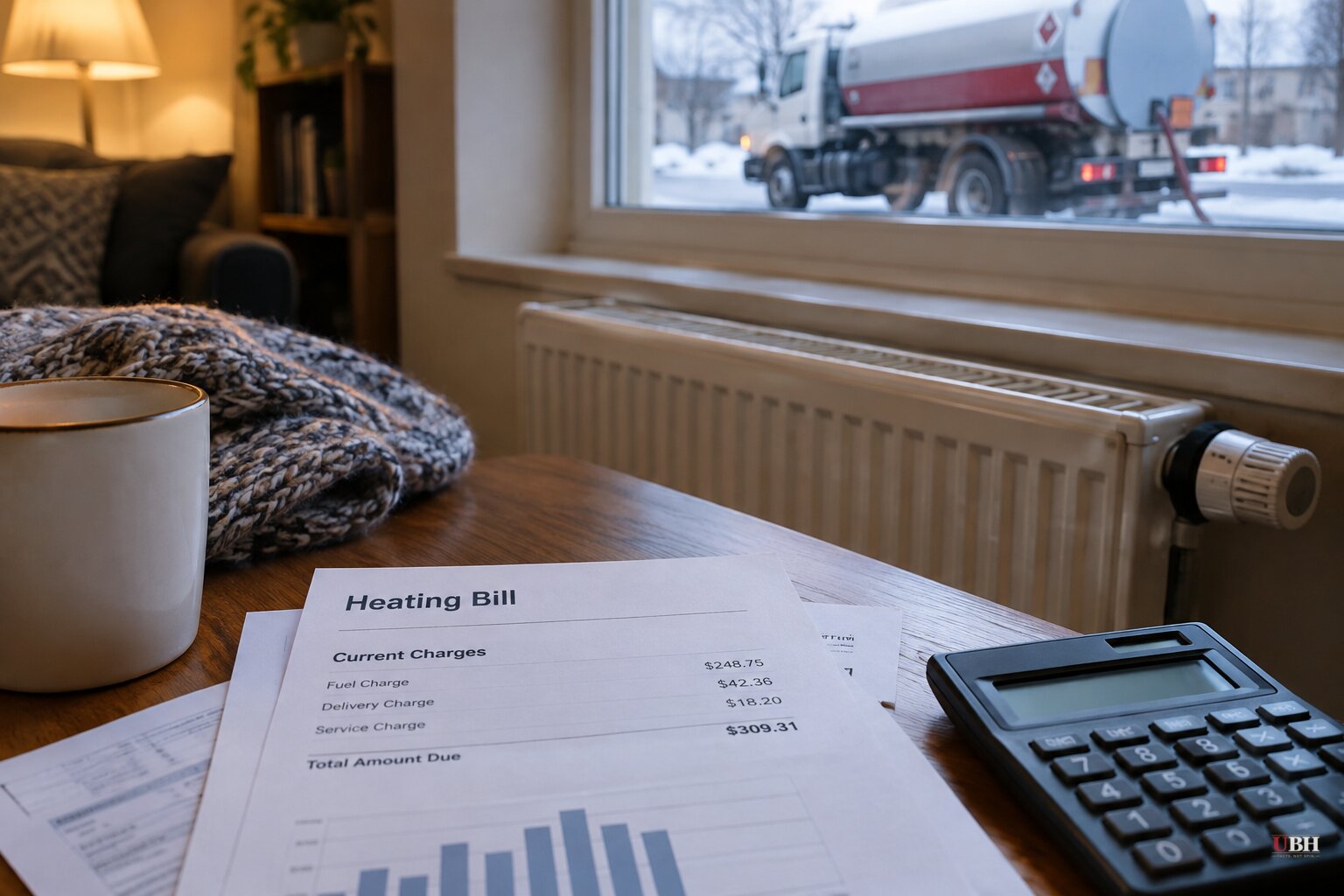
Americans are heading into winter with higher heating bills on the way. The National Energy Assistance Directors Association (NEADA) projects costs will climb more than 7% nationwide, with households that burn heating oil facing the steepest increases.
NEADA represents state officials who administer energy assistance and seek federal funding. It is urging Congress to provide relief.
The numbers by fuel
NEADA's projections:
- Heating oil: seasonal costs could jump 70%, to about $2,977. Nearly 5 million households use the fuel, mostly in the Northeast and Alaska.
- Electric heat: up about 6%, to $1,215.
- Propane: up roughly 5%, to an average of $1,350.
- Northeast, all fuels: up 16.9%, or $221, from $1,311 last winter to $1,532.
"For higher-income households, these increases may be an inconvenience," NEADA Executive Director Mark Wolfe said in a statement. "For low- and middle-income families, they can be devastating."
Two forecasts, a wide gap
The federal government's number for oil is much lower. The U.S. Energy Information Administration's Winter Fuels Outlook puts the average oil-heated household bill at $2,115 for November through March, up 21%.
The EIA expects heating oil to average $5.26 a gallon, 34% above last winter. It also assumes a Northeast winter about 12% milder than last year, which would cut oil use about 9%, to roughly 402 gallons.
The EIA counts roughly 4.1 million homes, about 3% of U.S. households, as using heating oil as their main fuel. That is below NEADA's near-5 million. The two organizations' bill estimates differ by tens of percentage points, and the sourcing does not explain why.
The EIA also cautions that its figures assume households pay prevailing prices when they use the fuel. They do not account for oil bought ahead of time or locked in under contract, so actual bills could land above or below the average.
Why oil is the pressure point
Heating oil belongs to the distillate family, which includes diesel. NEADA says refineries in the Middle East and Russia have shut down or cut output amid the U.S.-Israel war with Iran and Russia's war in Ukraine.
The EIA says that reduced refining has cut global distillate production, raised international prices and made imports to the U.S. more expensive. U.S. distillate stocks are low heading into winter.
Heating oil is not price-regulated the way natural gas and electricity are. Wholesale changes typically reach retail prices within four to six weeks, according to the EIA.
"The situation in the strait of Hormuz remains highly volatile, and continued uncertainty about global oil supplies makes it difficult to predict where prices will go," Wolfe said. "For planning purposes, we believe it is prudent to assume that heating oil prices will remain elevated throughout the winter heating season."
What households are paying now
Local prices already sit above the EIA's forecast average. The Maine Wire reported a record statewide average of $6.04 a gallon on Oct. 19, up 83% from a year earlier. The Daily Hampshire Gazette reported Massachusetts averaged $6.21 last month. The Press & Sun-Bulletin reported Western New York hit $6.56 on Oct. 26, about 33% above August.
Dennis Carr of Cummington, Massachusetts, needs about three deliveries a winter, costing roughly $900. He has started picking up wooden pallets to burn. "I wish I had a heat pump, but I can't afford it," he said.
A thin cushion
NEADA reports that roughly one in six U.S. households is behind on utility payments, owing about $23 billion collectively. The group links the winter outlook to a hot summer: in July, the hottest month on record in the U.S., utilities disconnected power to 173,598 households across 10 states.
On the supply side, the Trump administration released 315,000 barrels of heating oil from the Northeast Home Heating Oil Reserve after a request from Sens. Susan Collins, a Republican, and Angus King, both of Maine. Maine's average heating oil price has since set a record.
NEADA is asking Congress for additional aid before the bills arrive. That would mean new federal spending on top of the existing assistance system, and no sourced timetable for a vote exists.
The timing also shapes the bills themselves. The EIA's month-by-month forecast shows prices easing through the winter, but January remains the costliest month because homes burn the most fuel then. Because retail oil prices follow wholesale within four to six weeks, what dealers quote in November and December will shape how large that January bill turns out to be.
Sources used for this briefing
7 links from 7 independent newsrooms (syndicated copies of the same report count once)
These are the sources it draws on, linked so you can verify.


