
Unbiased headlines. Facts, not spin.
Unbiased Headlines is an independently owned news organization. We bring you the facts, not opinions, written fresh from 110+ named sources. Sources linked so you can verify it yourself.
 economy
Low Interest (4/10)
David Jones Receivers Move to Close 19 of 38 Stores, Most by Year-End
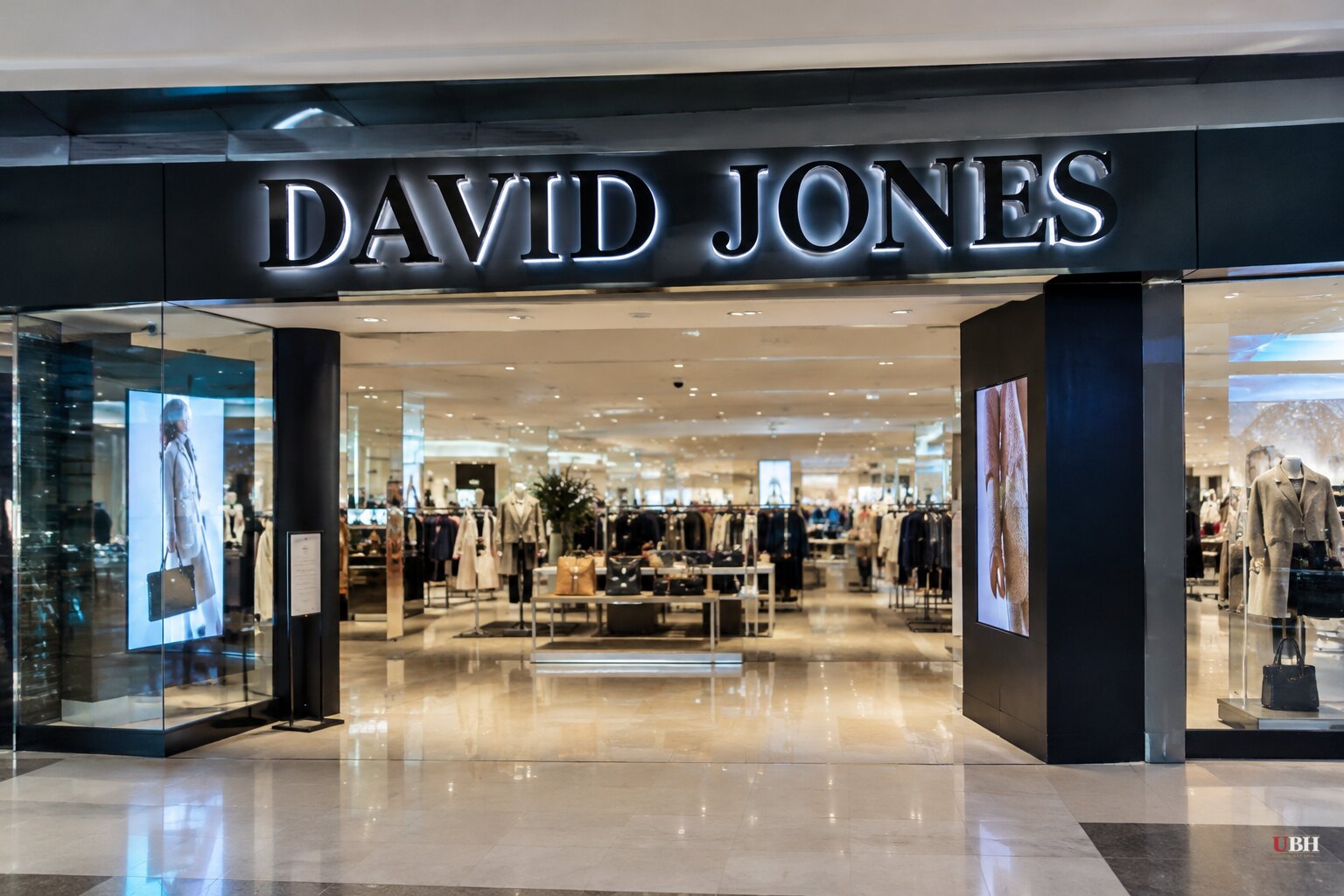
Since David Jones went into voluntary administration on Nov. 5 after talks with landlords collapsed, the receivers have now said what the shrunken chain will look like: half the size.
FTI Consulting, appointed as receivers, said today, Nov. 11, that it is proceeding with an "urgent restructure of the business." Staff at 19 of the retailer's 38 stores are already in a consultation process over their jobs. The stores will keep trading for now. FTI said there is no final closing date but it expects them to stop trading by the end of the year.
Where the closures fall
The 19 stores break down as seven in New South Wales, three each in Victoria and Western Australia, two each in Queensland and South Australia, one in the ACT, and the chain's only New Zealand store, in Auckland.
The cuts fall mostly on smaller-format stores. The city flagships are spared.
Five Westfield-based stores had been flagged earlier as loss-making: Parramatta and Hornsby in Sydney, Woden in Canberra, Carousel in Perth and Southland in Melbourne. FTI has not published a full list of the 19.
Who controls what
The structure is a dual appointment. FTI runs day-to-day operations. McGrathNicol, the voluntary administrator, is hunting for a buyer or new capital.
Hilco Global is the primary secured lender and appointed FTI to protect its financial interests. David Jones CEO Erica Berchtold told suppliers in correspondence that Hilco will place its own representatives in the closing stores from Thursday, Nov. 12, to "assist in accelerating sales and promotional activity."
Berchtold's explanation was blunt: "Our store portfolio is no longer the right shape for the business, and this change is about creating a network that is financially sustainable for the future."
The money
The numbers behind the collapse are ugly. David Jones' 2025 financial report showed sales fell to $2 billion and losses grew to more than $95 million. The company reported 5,652 employees in total.
The immediate trigger was rent. Scentre Group, the Westfield owner, is the biggest landlord, with 17 of the 38 stores. Scentre CEO Elliott Rusanow said on Nov. 4 that David Jones had not paid rent since September, putting it in breach. Scentre said the retailer paid $45 million in rent for the first nine months of the year. Landlords also hold $45 million in bank guarantees that could be used to cover rent.
Ownership history explains some of the damage. Private equity group Anchorage Capital Partners bought the business in 2023 for $100 million. South Africa-based Woolworths Holdings had paid $2.1 billion for it in 2014.
Myer, the larger rival, announced in September a $276 million loss for the 2026 financial year, its second-worst in more than a century.
Workers and suppliers
The Shop, Distributive and Allied Employees Association, which covers thousands of David Jones staff, said before the collapse that it was alarmed. National Secretary Gerard Dwyer said the union's priorities are keeping as many workers employed as possible and protecting all legal and financial entitlements if redundancies occur. The union said the 2024 enterprise agreement covered 4,644 employees, a figure that excludes executives and warehouse staff.
Small suppliers are also exposed. Documents released late Tuesday showed some are owed money for stock delivered as far back as April, and the administrators had reviewed the company's finances months before it failed. Suppliers are unsecured creditors, which puts them behind Hilco in line. Creditors must lodge claims by Monday ahead of a first creditors' meeting the following day.
Hilco, for its part, said before the administration that it had funded above the agreed facility so David Jones could build stock for Christmas trade. A Hilco spokesperson said the lender remained supportive of the business and that any suggestion otherwise was false.
Smaller or gone
Customers at a store marked for closure offered a simple explanation. Lana Burgess, a Melbourne resident shopping at the small Malvern Central store, said David Jones had become too expensive and that shoppers have moved online. "And the rents—these huge properties," she said. "Of course the online shops can do it much cheaper."
Tom Kierath, head of consumer research at Barrenjoey, said David Jones had "some wonderful sites" but too many of them. Buyers, he said, would more likely want a handful of locations than the whole business. "If it does come back, it will come back in a much smaller, slimline version of its current self," Kierath said.
It is not yet clear who, if anyone, will buy what is left. McGrathNicol has not named a bidder, and FTI has not set closure dates. The first creditors' meeting next week will be the first formal look at what suppliers and other unsecured creditors can expect to recover.
Sources used for this briefing
7 links from 7 independent newsrooms (syndicated copies of the same report count once)
These are the sources it draws on, linked so you can verify.


