
Unbiased headlines. Facts, not spin.
Unbiased Headlines is an independently owned news organization. We bring you the facts, not opinions, written fresh from 110+ named sources. Sources linked so you can verify it yourself.
 economy
Notable (6/10)
Nissan Cuts Sales Forecast for Second Time Since August as China Sales Fall 45.5%
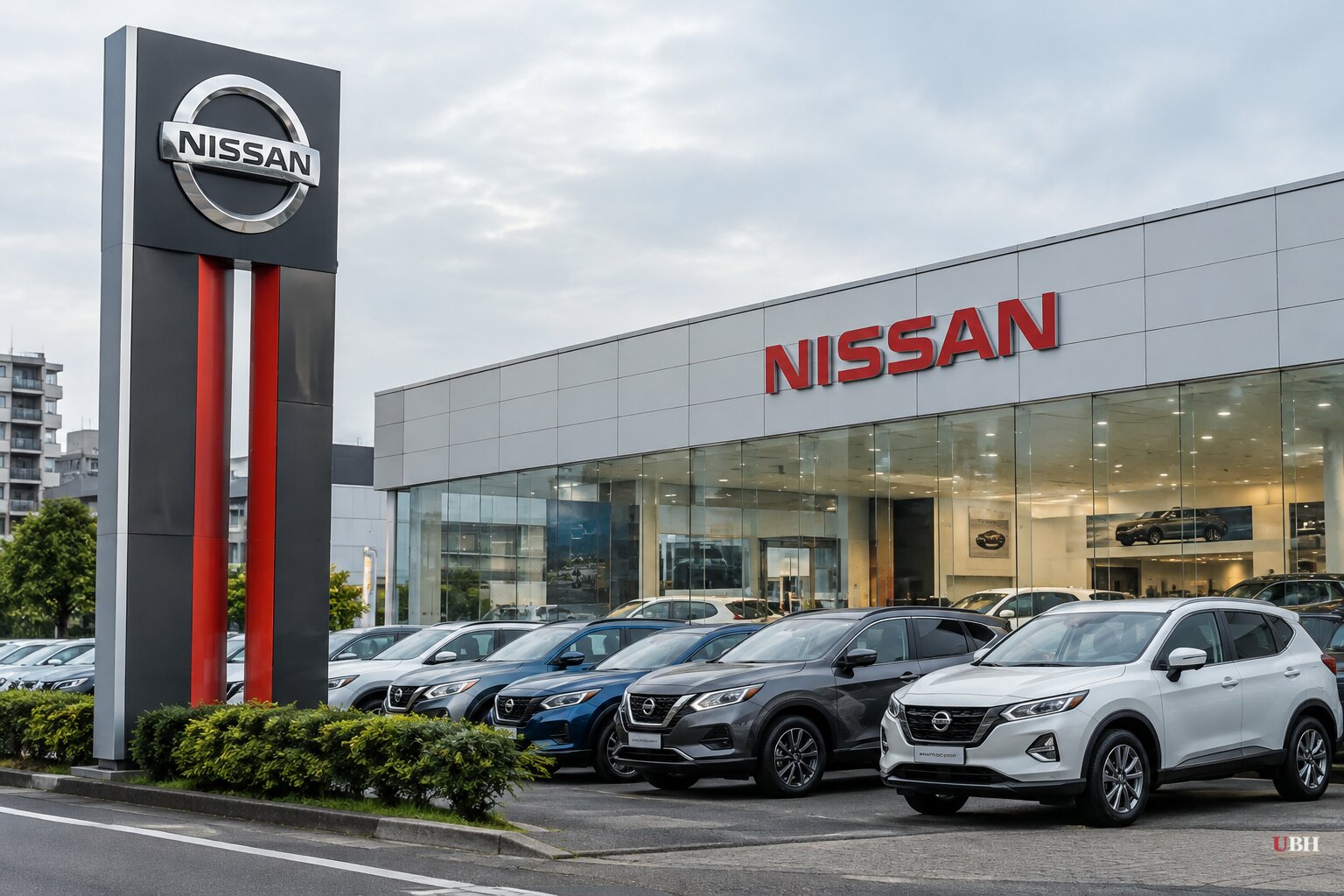
Nissan Motor cut its global sales forecast again on Wednesday, Nov. 11. The Japanese automaker now expects to sell 2.97 million to 3 million vehicles in the fiscal year ending March 2027, down from 3.15 million.
It is the second cut since August. Then, Nissan lowered the target from 3.3 million to 3.15 million.
The company blames China. "Weaker demand, a faster-than-anticipated shift to [new energy vehicles] and intensifying competition are putting greater pressure on sales than initially anticipated," Nissan said in a statement. CEO Ivan Espinosa put it more bluntly: "China remains our most significant challenge, and we need to remain agile."
The numbers
Nissan's China sales from April to September totaled 182,900 vehicles, down 45.5% from a year earlier, according to the company's first-half results. U.S. sales rose 5.5% and Japan sales rose 6.3% over the same period.
Second-quarter operating profit (July to September) fell 96% to ¥2.1 billion, about $13 million. Analysts surveyed by FactSet had expected ¥54.9 billion. A year earlier, the figure was ¥51.5 billion.
Nissan said the drop reflects the loss of a benefit from lower U.S. emissions-related expenses that flattered the year-ago quarter. Quarterly revenue still rose 8.2% to about ¥3.1 trillion, largely in line with expectations.
The half-year picture is less grim. First-half revenue was ¥6.72 trillion, up 8.8%. Operating profit was ¥80 billion, against a ¥27.7 billion loss a year earlier. Net loss attributable to shareholders narrowed to ¥39.7 billion from ¥221.9 billion, but it is still a loss.
The results came after the Tokyo market closed. Nissan shares are down 29% so far this year.
The China response
Espinosa told CNBC's "Squawk Box Europe" that Nissan will expand exports of vehicles developed in China from two models to five. The target is 12 regional market clusters in the "very near term."
The plan is to beat Chinese automakers with their own methods. "We can defend ourselves from these very aggressive players by using exactly the same elements that they have: speed, cost, and good technology," he said.
Nissan is building cars specifically for Chinese buyers, using local technology, lower costs and faster development cycles.
Nissan is not alone. In October, shares of Volvo Cars crashed after it reported a swing to an operating loss, citing tough conditions in China and the U.S. CEO Håkan Samuelsson told CNBC that selling global cars developed in Europe and China "will not work," and that the shift is "affecting all the Western players in China."
The lesson from both companies is the same. Chinese manufacturers now set the pace on cost and development speed in the world's largest auto market, and Western and Japanese brands are retooling to match them.
Nissan's case for the full year
Despite the weak quarter, Nissan kept its full-year operating profit forecast at ¥200 billion, about $1.3 billion, and left its net cash guidance unchanged. The company says new models, higher sales volumes and a better product mix will carry second-half earnings. It also raised its outlook for the U.S. and Japan.
That guidance leaves a lot of work for the back half. Nissan booked ¥80 billion in operating profit in the first six months against a ¥200 billion full-year target, and the second quarter delivered just ¥2.1 billion.
Espinosa has led the company since April 2025 and is roughly 18 months into a turnaround plan that cuts Nissan's global manufacturing footprint and its workforce by 15%. He said the company has achieved ¥365 billion in savings so far, and Nissan said its restructuring is making progress.
What comes next
Nissan will unveil a new business plan in February 2027. The key test is whether the China-developed export models can add enough volume abroad to offset a China market where Nissan's sales have nearly halved, and whether the ¥200 billion profit target survives that math.
Sources used for this briefing
6 links from 5 independent newsrooms (syndicated copies of the same report count once)
These are the sources it draws on, linked so you can verify.


