
Unbiased headlines. Facts, not spin.
Unbiased Headlines is an independently owned news organization. We bring you the facts, not opinions, written fresh from 110+ named sources. Sources linked so you can verify it yourself.
 economy
Major Story (7/10)
Bessent and Perdue Both Say 'De-Risk, Not Decouple' on China as Leaders' Summit Nears
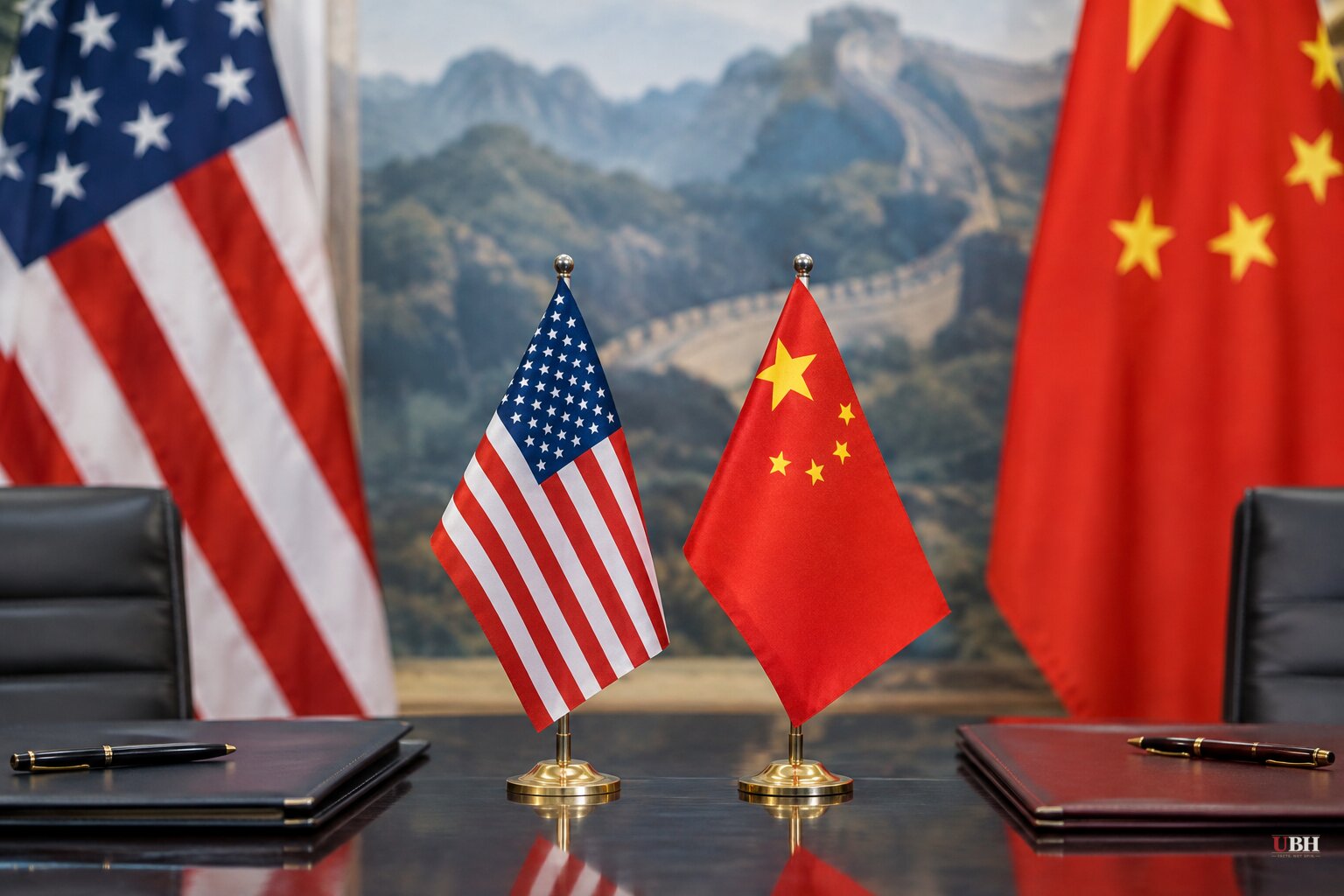
Washington's message to Beijing this week came from two officials in two cities, and it was the same message: diversify, don't divorce.
Treasury Secretary Scott Bessent spoke Tuesday, Nov. 10, at an event in New York. He called for a more balanced trade relationship with China and put the goal in four words: "de-risk, not decouple."
"Trade must advance the interests of both parties without diminishing the sovereignty of either," Bessent said.
Perdue in Shanghai
U.S. Ambassador to China David Perdue struck the same note in an interview with Bloomberg's The China Show, taped on the sidelines of the Citi China Conference in Shanghai and published today, Nov. 11.
Perdue said relations with Beijing remain bumpy. He also said Washington wants to diversify rather than decouple from China.
That is a notable choice of words from the senior American diplomat in the country, delivered at a financial-industry gathering held in China itself.
Leader-level diplomacy
Bessent leaned heavily on the personal channel between the two heads of state. He said U.S.-China ties are defined by the relationship between their leaders, who are due to meet next week for a summit.
"That friendship has brought unprecedented direct engagement between the leaders of our two nations, which I try to extend to the working level," he said.
The statement describes how the administration wants the relationship to run: top-down, with the leaders setting the tone and officials such as Bessent carrying it into day-to-day negotiations.
Beijing's response
Chinese Ambassador Xie Feng spoke at the same New York event. He talked about adhering to "red lines," and said the challenges in the relationship should not be underestimated.
That is a different register from Bessent's. The Treasury secretary talked about mutual benefit and balance. The Chinese envoy talked about boundaries Beijing will not cross.
The two framings are not necessarily contradictory. Bessent's own formulation includes a sovereignty qualifier, saying trade should not diminish the sovereignty of either side. Where Washington's idea of balance ends and Beijing's red lines begin is the open question.
What "de-risk" means
The phrase carries a real policy distinction. Decoupling would mean unwinding economic ties between the world's two largest economies. De-risking and diversifying mean keeping trade in place while reducing dependence on a single partner.
Perdue's wording, diversify rather than decouple, fits the second approach. So does Bessent's call for a "more balanced" relationship, which points at the trade imbalance rather than at ending commerce.
For readers who see China as the central strategic competitor, the language will raise an obvious question. How much dependence is acceptable, and in which sectors? Neither official's reported remarks put numbers or sector lists on the table.
What comes next
The summit next week is the first real test. Bessent has staked the administration's framing on the leaders' rapport, and Xie has staked Beijing's on red lines. Whether "balanced trade" comes out of the meeting as concrete terms or stays a slogan will be visible in what the two governments announce afterward.
Sources used for this briefing
2 links from 2 independent newsrooms (syndicated copies of the same report count once)
These are the sources it draws on, linked so you can verify.


