
Unbiased headlines. Facts, not spin.
Every story is an unbiased news briefing written from 110+ sources across the spectrum — sources linked so you can verify it yourself.
 economy
Low Interest (4/10)
July 26, 2026 at 09:35 AM
economy
Low Interest (4/10)
July 26, 2026 at 09:35 AM
Wildfire Smoke and Heat Waves Cut Into Summer Camps Across the U.S. This Year
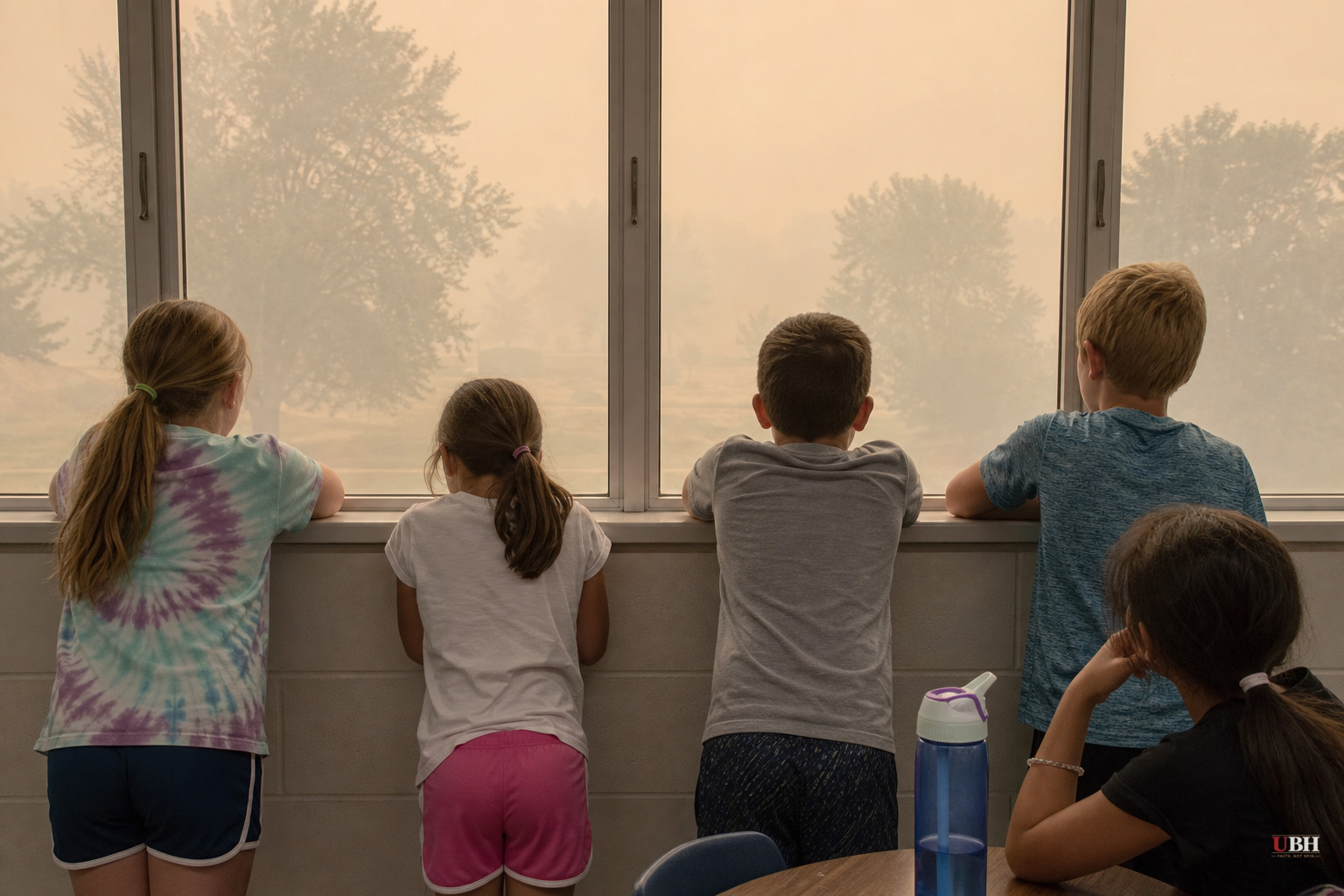
Summer camp is supposed to mean pool days, soccer drills and dirt under fingernails. This year, for camps in Minnesota, Pennsylvania and Washington, D.C., it also meant air quality alerts, canceled outdoor sessions and a lot of indoor scrambling, according to NPR.
At Camp Widjiwagan in Ely, Minnesota, wildfire smoke blanketed the camp in July, according to YMCA of the North, which runs the site. Fires in northern Minnesota and across the border in Canada sent smoke drifting into the Midwest and Northeast this summer.
In Washington, D.C., Beauvoir Summer Camp had to cancel free swim on a Friday because of hazardous air quality, according to Drew Mackay, the camp's director of auxiliary and summer programs. Mackay told NPR the camp also had to shorten outdoor play time earlier in the summer because of heat.
In Pennsylvania, Lauren Smith described a summer of stacked disruptions to NPR: a soccer camp session where temperatures approached 100 degrees on a treeless field, then days stuck indoors from smoke, then heavy rain. Smith said her kids ended up baking, painting acorns and helping declutter the house instead of playing outside. "The summer is just like a waiting game, just waiting to do some stuff outside," she said.
What's Actually New Here, and What Isn't
Hot summers and smoky skies aren't new. Camps have dealt with heat advisories and the occasional bad air day for decades. What NPR's reporting captures is a pattern of overlapping disruptions in a single season, hitting camps in three different regions within weeks of each other.
Deadly floods this summer prompted disaster declarations in parts of Texas, and a July heat wave was described by outlets covering it as unusually intense for Fourth of July gatherings, according to NPR. Research cited by NPR points to more frequent and more intense heat waves, droughts and floods as the climate has warmed, largely from fossil fuel emissions.
The broader warming trend is well documented by NOAA and NASA temperature records going back over a century. Linking any single wildfire season or heat wave directly to climate change requires more than a news anecdote. NPR's piece leans on general climate attribution research rather than event-specific analysis for this particular summer. Whether any one camp's bad week is "climate change" versus ordinary weather variability is a harder question than the framing suggests.
The Practical Problem for Parents and Camp Directors
The logistics are real. Camp directors like Mackay are making day-of calls about air quality and heat index numbers that didn't used to require constant monitoring. Parents like Smith are burning through indoor activities by week three of summer break.
Camps that invest in indoor gym space, HVAC systems and flexible programming can pivot faster when a smoke advisory hits. Camps running on thin margins, especially nonprofit and rural programs like Widjiwagan, have fewer options when the pool has to close or the trail hike gets scrapped.
There's also a fair question about how much of this gets solved by throwing money at infrastructure versus just accepting that some outdoor plans need backup days built in from the start, the way schools have always had snow days. Camps in hurricane-prone Florida and tornado-prone Oklahoma have handled unpredictable weather disruptions for generations without treating it as a five-alarm crisis.
What's Missing From the Coverage
NPR's piece is built almost entirely around parent and camp-staff anecdotes plus general climate research, without engaging the practical counterargument: kids have always had some summers ruined by weather, whether it was a rainy August in the 1990s or a heat dome in the 2010s. The piece doesn't quantify how many camp days nationally were actually canceled this summer, doesn't compare this year's disruption levels to a baseline from five or ten years ago, and doesn't ask camp industry groups like the American Camp Association whether cancellation rates are actually trending up in their own data.
Comparing this season's shutdown days to a historical baseline would tell readers whether this is a genuine escalation or an unusually bad, but not unprecedented, year.
What Happens Next
Camp directors like Mackay will keep making real-time calls on air quality index readings through the rest of the summer season, which typically runs into August for many programs. Families like the Smiths in Pennsylvania are already adjusting expectations for next year, stocking up on indoor activities before the season starts rather than scrambling mid-summer.
The unresolved question is whether camps, school districts and youth sports leagues start building formal heat and smoke contingency plans into their published schedules, the way coastal regions plan for hurricane season, or whether this stays an ad hoc, day-by-day judgment call for individual camp directors.
Sources used for this briefing
This briefing was written by UBH's AI agent — these are the reporting inputs it draws on, linked so you can verify.


