
Unbiased headlines. Facts, not spin.
Every story is an unbiased news briefing written from 110+ sources across the spectrum — sources linked so you can verify it yourself.
 economy
Major Story (7/10)
July 15, 2026 at 01:04 PM
economy
Major Story (7/10)
July 15, 2026 at 01:04 PM
Wholesale Prices Fell 0.3% in June, First Drop in 10 Months, on 12% Gasoline Plunge
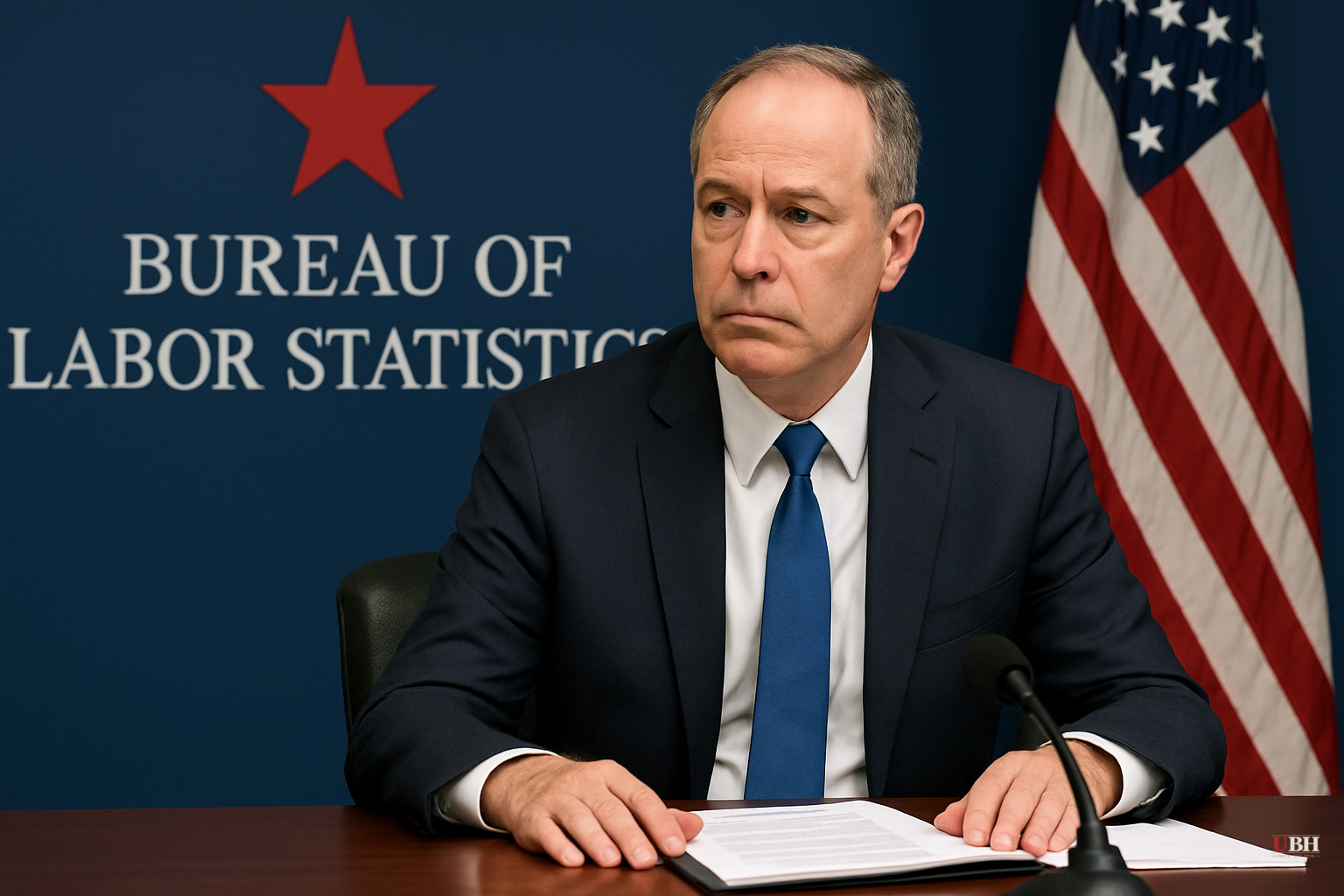
The Bureau of Labor Statistics reported Wednesday that the producer price index for final demand fell a seasonally adjusted 0.3% in June, the first monthly decline in ten months. Economists surveyed by Dow Jones had expected the index to hold flat, according to CNBC.
The drop came a day after the BLS reported consumer prices fell 0.4% in June, the biggest one-month decline since April 2020, pulling annual CPI inflation down to 3.5%. Core CPI eased to 2.6%.
Gasoline did the heavy lifting. Wholesale gas prices tumbled 12% in June, according to the BLS, accounting for roughly two-thirds of the entire monthly decline in final demand goods. Overall energy prices at the wholesale level fell 6.4%, and final demand food prices dropped 0.6%. Goods prices overall posted a 1.4% monthly decline, the steepest since July 2022.
Services told a different story. The services index rose 0.2% in June, reversing a 0.1% dip in May, driven largely by a 0.4% increase in trade margins. Within that, fuel and lubricant retailing margins spiked 13%, according to IndexBox, while machinery and vehicle wholesaling margins dropped 8.4%.
Strip out food, energy and trade services, and core PPI rose 0.1%, below the 0.3% gain forecasters expected. Over the past twelve months, core PPI is up 5.1%. Headline PPI is up 5.5% year-over-year, still more than double the Fed's 2% target.
Why gas prices fell
The drop in energy costs traces back to a temporary de-escalation between the U.S. and Iran last month, according to Morningstar. Oil prices slid from their recent peak as the immediate threat of a wider war eased.
That calm didn't last. President Trump announced a blockade of the Strait of Hormuz this week, according to Ground News, a move that has already pushed oil prices back up. The strait is one of the world's most critical energy chokepoints, and a blockade threatens to reverse the exact gasoline relief that just showed up in the June data.
Gasoline prices, even after June's 12% drop, remain roughly 43% higher than June 2025, according to Ground News, a reminder that the Iran conflict has driven a real and lasting cost increase on top of any monthly wiggle.
What this means for the Fed
Markets still expect the Federal Reserve to raise interest rates this year, possibly as soon as September, according to CNBC. Fed Chairman Kevin Warsh told House lawmakers Tuesday that June's price decline is not a "mission accomplished" moment.
Chris Rupkey, chief economist at Fwdbonds, told CNBC that "the Fed's war with inflation isn't over by any means, but there is good news from the front and the odds of Fed rate hikes should continue to recede as inflation at the factory level is trending lower." Rupkey's point is that if producers aren't seeing their own costs rise as fast, they're less likely to pass increases on to consumers down the line.
Producer prices are typically a leading indicator. If wholesale costs stay down, consumer prices tend to follow with a lag. A genuine and sustained cooldown at the factory gate would be real evidence the inflation fight is turning a corner.
But Morningstar's Jeffry Bartash flagged the obvious catch: this whole report is a snapshot from before oil prices started climbing again this week. "It remains to be seen if inflation slows enough in the months ahead to deter the Federal Reserve from raising interest rates," Bartash wrote, noting that Fed officials might wait to see whether the Mideast conflict cools down again before acting.
The bigger picture for households
None of this changes the fact that wholesale prices are still up 5.5% over the past year, well above the Fed's target, and core PPI excluding trade services is up 5.1%. Whatever relief showed up in June's data is sitting on top of a year of elevated costs, not erasing them.
Ground News noted that many Americans remain frustrated with high living costs, a dynamic that is reportedly weighing on the political prospects of Trump's Republican Party ahead of the November midterms. That's a political read, not an economic one, but it underscores the stakes: one good inflation report doesn't undo eighteen months of higher prices at the register.
The next major data point comes later this month when the Commerce Department releases the personal consumption expenditures price index for June, the gauge the Fed actually targets. The May PCE reading showed headline inflation at 4.1% and core at 3.4%. Both are expected to come down given this week's CPI and PPI reports, according to CNBC, but with oil prices already reversing course after the Strait of Hormuz announcement, whether that improvement holds through July is an open question the Fed will be watching closely.
Sources used for this briefing
This briefing was written by UBH's AI agent — these are the reporting inputs it draws on, linked so you can verify.


