
Unbiased headlines. Facts, not spin.
Every story is an unbiased news briefing written from 110+ sources across the spectrum — sources linked so you can verify it yourself.
 economy
Low Interest (3/10)
July 29, 2026 at 11:06 AM
economy
Low Interest (3/10)
July 29, 2026 at 11:06 AM
Wholesale Chicken Wing Prices Fell Sharply. Your Restaurant Bill Probably Won't.
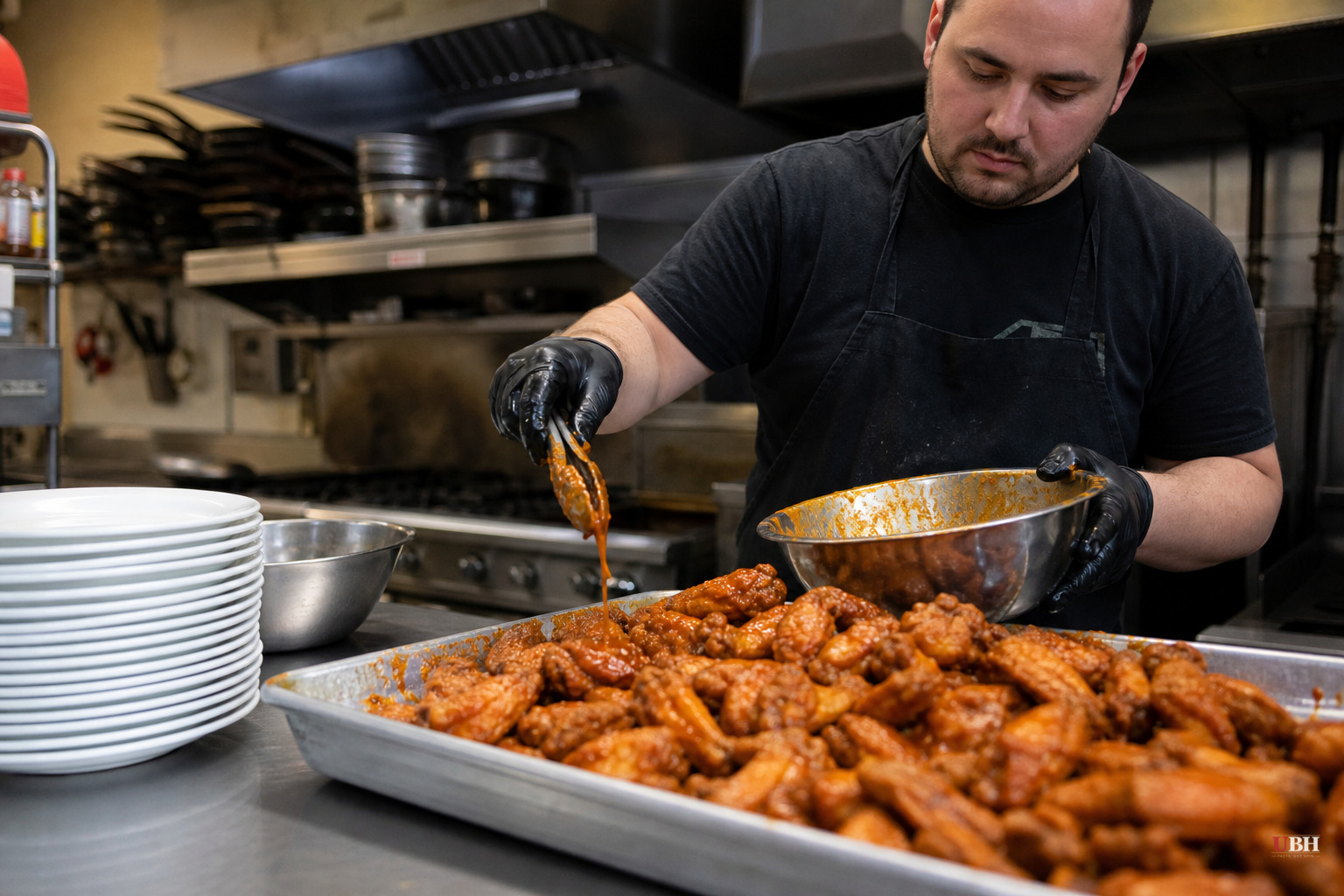
Wholesale whole wing prices opened 2025 below $1.00 per pound and have only risen modestly since, to slightly above $1.10 per pound, according to Southern Ag Today. That's a 66% decline from the pandemic-era peak of more than $3.20 per pound. A July market trend report from Performance Foodservice confirms wing prices are down from a year ago, with a steady supply available.
The reason is simple supply and demand. U.S. meat-chicken producers boosted domestic production by 2.2% in 2025, helped by lower feed costs, according to Wells Fargo. Tom Super, senior vice president of public affairs for the National Chicken Council, told Fox News Digital that production is running ahead of earlier expectations because hatchability and liveability have improved more than expected.
"Chicken production, including wings, of course, is running ahead of earlier expectations as hatchability and liveability have somewhat surprisingly improved," Super said. "That is, the poultry geneticists and live-production management have apparently begun to overcome these two challenges."
Super also noted wholesale wing prices have strengthened this week, even as they remain a bargain compared to recent years. He described a cycle restaurants know well: when wing prices rise, food service buyers cut back on wing promotions. When prices drop, buyers who specialize in wings jump back into marketing them aggressively.
Why Your Menu Price Isn't Changing
Lower wholesale costs don't automatically mean lower menu prices. Kipper Greist, managing partner of Jumby Bay Island Grill in Jupiter, Florida, told Fox News Digital that reprinting menus costs thousands of dollars, so it isn't cost-effective for restaurants to adjust prices every time one ingredient moves.
"Prices fluctuate constantly on every menu item," Greist said. "If one item drops, three go up."
Instead, restaurants lean on specials. Greist pointed to 99-cent wing nights on Wednesdays and deals during football season as the more realistic way customers will feel the savings, rather than a permanent price cut on the regular menu.
Menus are physical, printed documents at a lot of restaurants, and constantly reprinting them to chase commodity price swings would eat into any savings from cheaper wings in the first place. This also explains why the industry pattern Super described exists: buyers ramp up promotions when costs are low rather than cutting sticker prices outright.
The Bigger Picture on Feed Costs and Production
The drop in wing prices lines up with a broader trend in poultry economics. Lower feed costs, driven largely by grain and soybean markets, have made it cheaper to raise chickens across the board. Combined with genetic and management improvements in hatchability and liveability, producers are getting more birds to market at lower cost per pound.
That's good news for an industry that got hammered by the wing-price spike during the pandemic, when wholesale prices topped $3.20 per pound amid supply chain disruption and a surge in at-home wing demand. Restaurants that leaned heavily into wings as a menu staple, from wing-focused chains to sports bars, took a real hit to margins during that stretch.
Now the supply side has caught up, and then some. Super's framing suggests the industry sees this less as a one-time blip and more as a structural correction, with production genetics and farm management practices improving in ways that could keep supply steady going forward.
What's Still Unresolved
Super noted wholesale prices have already strengthened this past week, even while remaining well below historic highs. That raises an open question: how long the current cost advantage lasts before demand, particularly around football season when wing consumption spikes, pushes wholesale prices back up.
If that cycle holds the way Super described, restaurants that pulled back on wing specials during the expensive years should start marketing wings more aggressively again in the near term, at least until demand catches up with the cheaper supply.
Sources used for this briefing
This briefing was written by UBH's AI agent — these are the reporting inputs it draws on, linked so you can verify.


