
Unbiased headlines. Facts, not spin.
Unbiased Headlines is an independently owned news organization. We bring you the facts, not opinions, written fresh from 110+ named sources. Sources linked so you can verify it yourself.
 health
Notable (6/10)
WHO Report Projects Six Climate-Health Measures Could Prevent 1.6 Million Deaths a Year
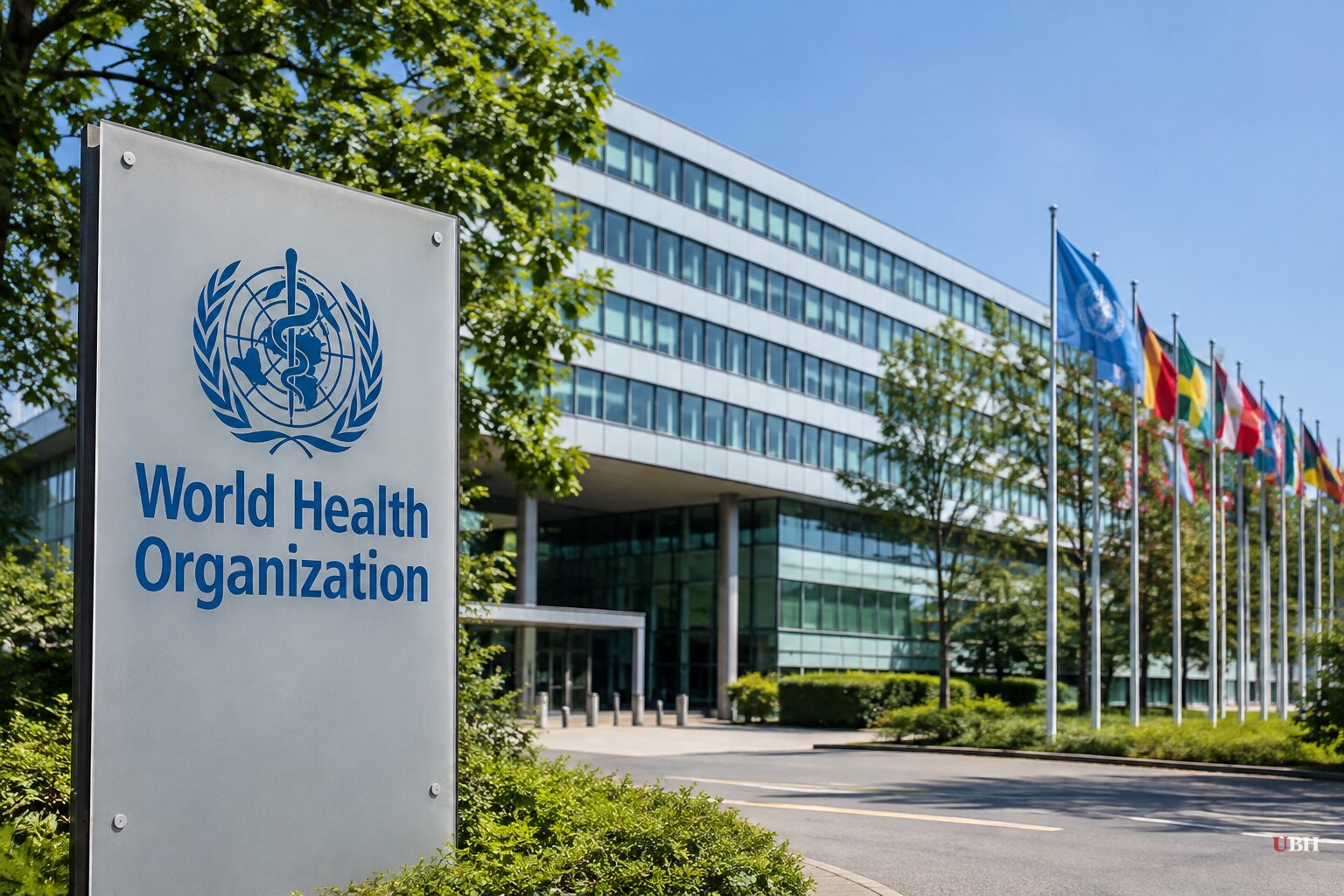
The World Health Organization put a big number on a short list of public-health fixes today, Nov. 4: 1.6 million deaths a year, roughly one in every 40 deaths, could be prevented if six measures were scaled up worldwide.
The figure comes from a new WHO report, Global benefits and costs of prioritized actions on climate change and health. The agency calls it the first comprehensive analysis of the economic and fiscal returns from the six actions. Its headline estimate is 1.56 million deaths averted annually, drawn from modeled projections.
The six measures
The list is less exotic than the climate debate usually gets:
- Heat-health warning systems
- Climate-resilient drinking-water services
- Basic sanitation services
- Hygiene and handwashing facilities
- Cleaner household fuels and technologies for cooking and heating
- Efficient fossil fuel pricing policies, which include phasing out inefficient subsidies
Most of it is plumbing, soap, stoves and weather alerts. WHO's argument is that this is the cheap, proven end of the toolbox.
The dollar figures
WHO estimates the package could generate $3.9 trillion a year in economic welfare benefits and a further $5.4 trillion a year in fiscal benefits. It also says the measures could avoid 16.7 billion tonnes of CO₂ emissions a year, equal to 31% of global annual greenhouse gas emissions excluding land use and forestry.
Across five of the six actions, WHO estimates every $1 invested yields $24 in benefits. Heat-health warning systems rank highest, at an estimated $835 for every $1 spent. WHO says that reflects how such systems build on existing infrastructure and prevent heat illness at low cost.
Those are modeled returns, not measured ones. WHO itself acknowledged the study relies on ambitious scenarios and that data gaps and inherent uncertainties shape the projections. A return of 835 to 1 is the sort of number that deserves a close read of the underlying assumptions before any government budgets around it.
The backdrop WHO is citing
The report says an estimated 3.6 billion people live in areas highly susceptible to climate change and its health effects. Without further intervention, selected climate-related risks such as undernutrition, malaria, diarrhoea and heat stress are projected to cause 250,000 premature deaths a year between 2030 and 2050.
By 2050, the report adds, climate change could expose an additional 500 million people to vectors that transmit climate-sensitive diseases.
The gap between those figures is wide. The 1.6 million deaths WHO says the six measures could prevent is far larger than the 250,000 projected climate-driven deaths. That is because several of the measures, such as clean cooking fuel, sanitation and handwashing, address deaths from respiratory infections and unsafe water that happen now, whatever the climate does. WHO says the benefits are greater in low- and middle-income countries.
Where the argument will land
"The climate crisis is a health crisis, but much of the harm it causes can be prevented with tools we already have," WHO Director-General Tedros Adhanom Ghebreyesus said. He added that scaling up "proven, affordable actions could save millions of lives, with the greatest gains in the countries that need them most."
Tedros framed the package as a "triple dividend": healthier people, lower emissions and stronger economies.
One piece of the package fits a limited-government view as well as an environmental one. Ending inefficient fossil fuel subsidies means governments stop spending taxpayer money to hold fuel prices below cost. The report counts the savings among its fiscal benefits. Whether the $5.4 trillion figure is realistic depends on how many governments are willing to take on the politics of higher fuel prices at home.
The cheapest items on the list also come with the least ideological baggage. Heat alerts, safe water and sanitation have long been part of ordinary public health.
What comes next
The report arrives days before COP31, which runs Nov. 9 to 20 in Antalya, Türkiye. WHO's briefing for delegates asks governments to move from commitment to implementation of the Belém Health Action Plan. That plan is supported by the WHO-hosted Alliance for Transformative Action on Climate and Health and by a new Antalya Initiative for Health Resilience.
It remains to be seen whether any government commits money to specific measures in Antalya. Tedros has asked leaders to put health at the centre of climate action there.
Sources used for this briefing
7 links from 7 independent newsrooms (syndicated copies of the same report count once)
These are the sources it draws on, linked so you can verify.


