
Unbiased headlines. Facts, not spin.
Unbiased Headlines is an independently owned news organization. We bring you the facts, not opinions, written fresh from 110+ named sources. Sources linked so you can verify it yourself.
 health
Major Story (8/10)
CVS Confirms Plan to Split Into Two Public Companies by 2028, Shares Fall About 10% in Early Trading
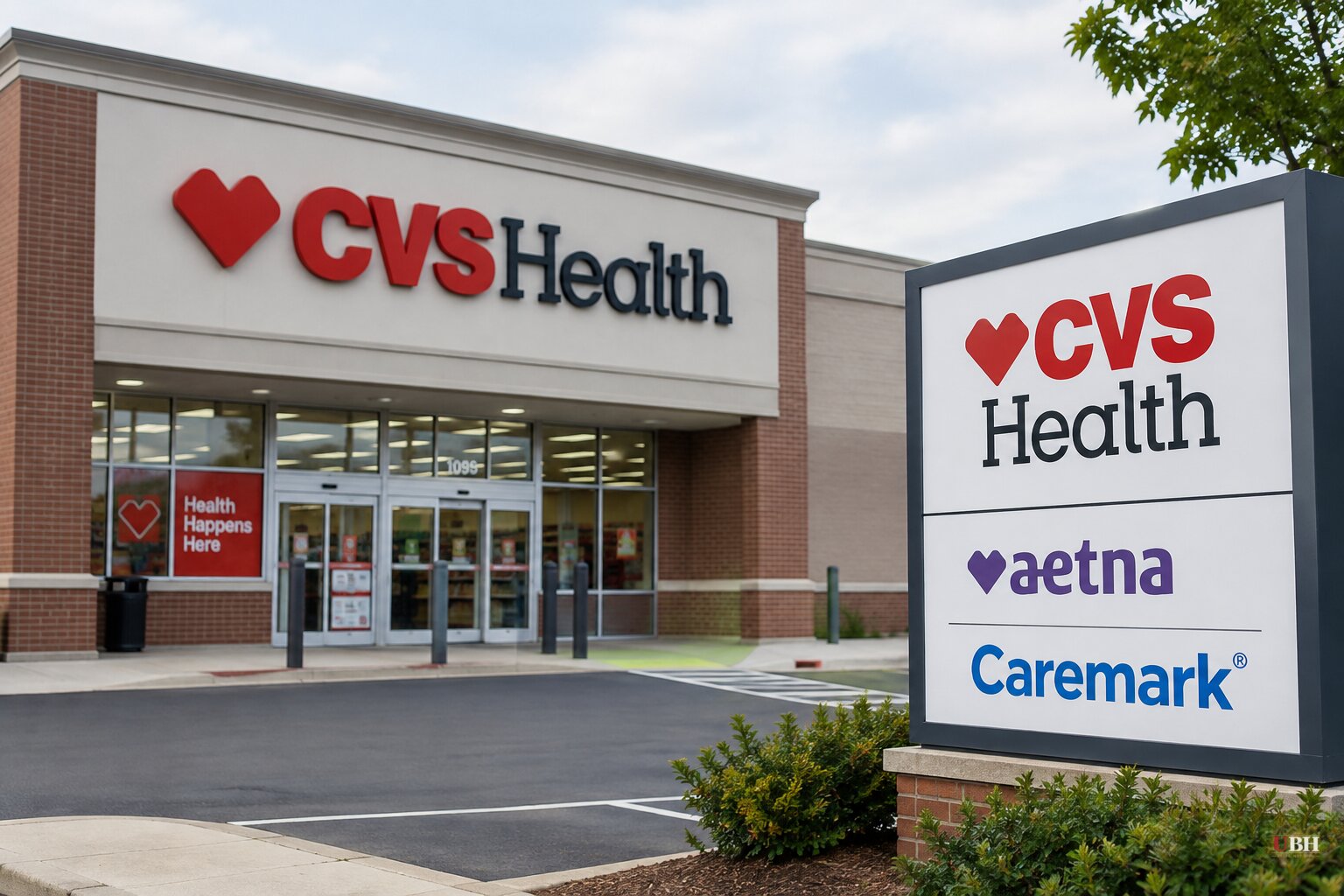
A day after the company's plans leaked, CVS Health made the breakup official today, Nov. 4, in a release timed with its third-quarter earnings. The split reverses the integrated model CVS spent two decades building.
The company intends to separate into two independent, publicly traded companies by the first half of 2028, through a separation it says is intended to be tax-free to CVS and its shareholders. Existing shareholders will own shares in both. Completion is subject to closing conditions.
What goes where
The company that keeps the CVS Health name will hold Aetna, CVS Caremark, CVS Specialty, Oak Street Health and Signify Health. David Joyner, now chairman and CEO, will run it.
The second company, CVS Pharmacy, will hold about 9,000 retail pharmacies, mail pharmacy, MinuteClinic (including virtual care) and the Health100 technology services business. Prem Shah, currently group president of CVS Health, will be its CEO.
CVS said additional leadership positions and board members will be announced later. Both companies are expected to carry solid investment-grade ratings and pay an attractive dividend, according to the company.
Until the separation closes, CVS will continue to operate as one company.
The market reaction
Shares fell roughly 10% in early trading Wednesday, after initially ticking up in premarket. CVS had been up about 15% for the year, CNN reported. CNBC put the company's market value at $117 billion and noted the stock has risen roughly 70% since Joyner took over in October 2024.
The drop came on a day of good numbers. Third-quarter revenue hit $108.4 billion, up about 5% from $102.9 billion a year earlier and ahead of the FactSet estimate of $104.8 billion. The medical-benefit ratio, which measures how much of premium dollars Aetna pays out for care, came in at 91.3%. CNN reported the company also raised its earnings guidance for the rest of the year.
None of the company's statements say why investors sold. Pharmacy services revenue slipped from a year earlier, while the health care benefits and health services segments grew.
Why now
Joyner framed it as a move from strength. "From a position of strength, and a focus on the long term, we plan to create two focused companies to improve consumer engagement, affordability, and care coordination," he said in the release. He told the Wall Street Journal that regulatory issues were not driving the decision.
At least one analyst sees it differently. "While the rationale behind the potential breakup remains unclear, we suspect the decision is largely driven by mounting legislative and legal pressures surrounding vertically integrated healthcare companies, particularly PBMs, and to unlock the value of the health insurance business," Mizuho Securities analyst Ann Hynes told investors Tuesday.
The pressure is documented. The Trump administration plans rules that would require CVS and its rivals to disclose more about how they price services and profit from interlocking health businesses. Some states want limits on which businesses can sit inside one health company. This summer the Federal Trade Commission settled a case with CVS that restricts how Caremark deals with other pharmacies.
The idea is not new inside the company either. Reuters reported in 2024 that CVS was exploring options including a breakup, during the tenure of then-CEO Karen Lynch, when Aetna was underperforming.
The deal it undoes
CVS merged with Caremark in 2007 and announced its Aetna purchase in 2017 at $69 billion. At the time, the companies argued that scale would help lower costs. Critics of consolidation countered that combining insurers, benefit managers and pharmacies created conflicts of interest and fed U.S. health spending, the highest in the world.
CVS also spent about $10 billion on Oak Street Health as it built out primary care, a business that stays on the insurance and PBM side of the split.
What changes for customers
Not much, at least in the near term. CNN reported CVS announced no store closures as part of the news. CVS operates about 800 MinuteClinics, employs 30,000 pharmacists and has 200,000 store employees, the company said on its earnings call.
PBMs work behind the scenes negotiating with drugmakers, and CNN reported that splitting the companies will not change how those operations function or what customers pay at the counter.
The open items are concrete: who sits on each board, who fills the remaining executive jobs, and whether the Trump administration's pricing-transparency rules land before the separation closes in 2028.
Sources used for this briefing
7 links from 7 independent newsrooms (syndicated copies of the same report count once)
These are the sources it draws on, linked so you can verify.


