
Unbiased headlines. Facts, not spin.
Unbiased Headlines is an independently owned news organization. We bring you the facts, not opinions, written fresh from 110+ named sources. Sources linked so you can verify it yourself.
 health
Major Story (7/10)
WHO chief cites Ebola and hantavirus as ninth round of pandemic treaty talks opens in Geneva
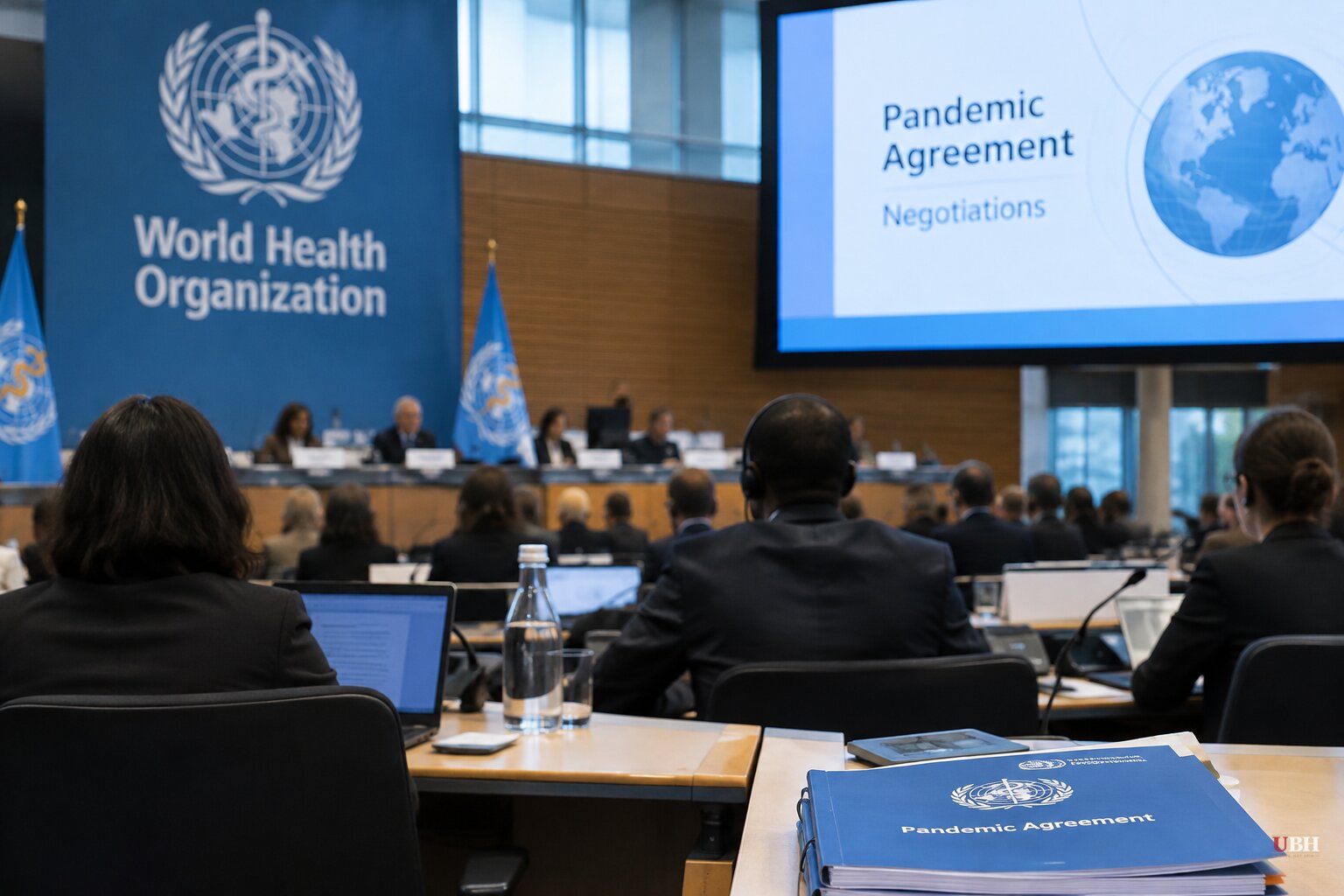
The Pandemic Agreement countries adopted in May 2025 is missing its engine. On Monday, Nov. 2, WHO chief Tedros Adhanom Ghebreyesus told delegates in Geneva to fix that.
Tedros spoke as the ninth negotiating session opened. The Intergovernmental Negotiating Body meeting is scheduled to run until Nov. 13.
The piece still missing
When countries adopted the agreement 18 months ago, they left out the hardest question: how the Pathogen Access and Benefit-Sharing system, known as PABS, would actually work. It was a way to get the deal over the line.
PABS covers how countries obtain pathogens with pandemic potential, and how the vaccines, tests and treatments made from them get distributed.
The agreement cannot enter into force until that annex is finished. Eight negotiating meetings since July 2025 have not done it.
"PABS is the last remaining piece of our puzzle," Tedros said, according to the written version of his statement. He urged countries to "finish the job."
Wealthy and developing countries remain at loggerheads over how the mechanism will work in practice.
The outbreaks Tedros pointed to
Tedros cited two recent events. One was a hantavirus outbreak that killed three people on a cruise ship in April. The other was the Ebola outbreak declared in May, which has killed nearly 5,000 people out of more than 10,000 infected, mostly in the Democratic Republic of Congo. The strain is Bundibugyo.
"A pathogen threat anywhere can become a threat everywhere, to people of every country," he said. "The outbreak of hantavirus earlier this year, and the ongoing Ebola epidemic in DRC remind us of this threat."
He also said completing the treaty is "about protecting people."
Nothing in the reporting shows the treaty text would have changed the course of either outbreak. Tedros's argument is about urgency, not a documented causal link.
The COVID argument
Tedros's case rests on what happened during COVID-19. "The world developed vaccines in record time, but too many countries were left waiting while others secured far more than they needed," he said.
He added that the inequity "cost lives, prolonged the pandemic and increased the risk of new variants emerging." Completing the treaty, he said, is "the key that will unlock the door to a safer future."
Hans Kluge, WHO's Regional Director for Europe, made a similar case on X. Kluge is currently on special leave because he is running to be the next WHO Director-General. He said member states raised timely access to vaccines and affordable medicines again and again in his meetings across all six WHO regions.
"We need a system where countries can quickly share pathogen samples and data, while ensuring that the vaccines, tests and treatments developed from them are shared fairly," Kluge wrote. He said the world cannot afford to repeat the inequalities seen during COVID.
What the fight is about
The PABS dispute is a trade. Countries that hold pathogen samples are asked to share them quickly. Countries and companies that turn those samples into vaccines and treatments are asked to share the benefits.
The divide is between wealthy nations and developing ones. The sources do not detail the specific proposals either bloc has put on the table in Geneva.
The stakes are practical. Until the annex is done, the agreement adopted in May 2025 sits on paper without taking effect. Eight rounds of talks have already passed without a deal.
Whether the ninth round closes the gap will be known by Nov. 13, when the session is scheduled to end.
Sources used for this briefing
7 links from 7 independent newsrooms (syndicated copies of the same report count once)
These are the sources it draws on, linked so you can verify.


