
Unbiased headlines. Facts, not spin.
Every story is an unbiased news briefing written from 110+ sources across the spectrum — sources linked so you can verify it yourself.
 tech
Major Story (8/10)
August 4, 2026 at 02:01 PM
tech
Major Story (8/10)
August 4, 2026 at 02:01 PM
White House Weighed Sanctions on Chinese AI Models, Backed Off After Silicon Valley Pushback
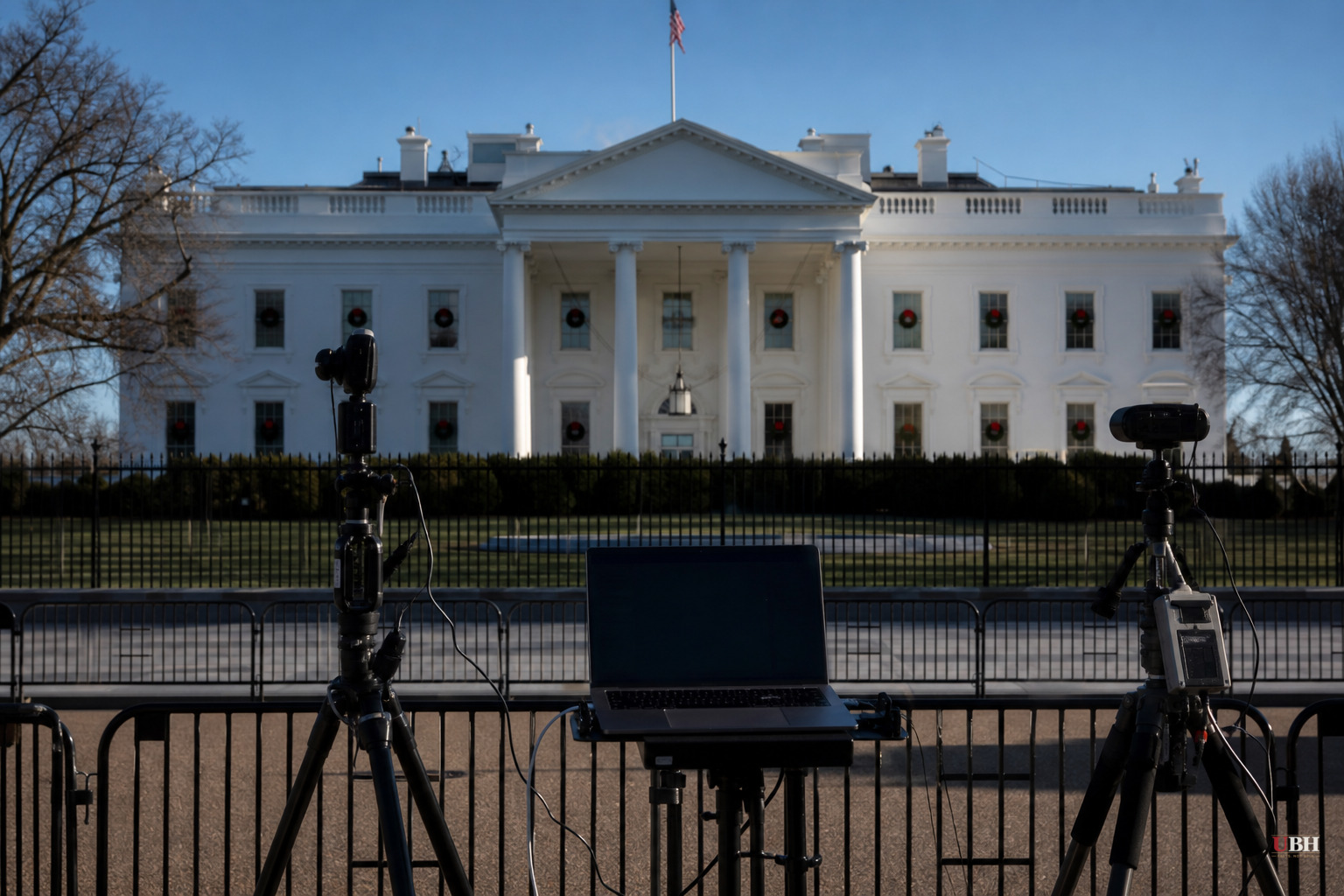
The Trump administration considered a serious crackdown on Chinese open-source AI models this summer, including sanctions, a trade blacklist, and a possible ban on U.S. cloud companies doing business with Chinese AI firms. Then Silicon Valley pushed back, and the administration backed off, according to reporting cited by The Decoder that draws on New York Times sourcing from more than half a dozen current and former government and industry officials.
The debate involved White House Chief of Staff Susie Wiles, Treasury Secretary Scott Bessent, and Commerce Secretary Howard Lutnick. Five sources told the Times the options on the table went well beyond talking points: sanctions, blacklisting Chinese model-makers, restricting which models federal agencies could use, and new Commerce Department rules.
The trigger was Kimi K3, an open-weight model from Moonshot AI that reportedly matches top U.S. models in several benchmarks. Michael Kratsios, who runs the White House Office of Science and Technology Policy, accused Moonshot on X of distilling Anthropic's model, Fable, calling it unacceptable theft of American technology. Bessent floated sanctions the same day, according to the Times reporting.
Kratsios's accusation remains unproven in any legal or regulatory sense. No investigation, charge, or formal finding of IP theft has been announced.
Silicon Valley Splits, Then Fights Back
OpenAI and Anthropic, both of which keep their models closed and are reportedly planning IPOs, pushed for restrictions on Chinese competitors citing national security risks. That's a real concern worth taking seriously. Open-weight models are, by definition, harder to control once released. Anyone can download them, modify them, and deploy them without oversight.
But executives at Nvidia, Microsoft, Google, and Meta saw something else: two well-funded companies trying to use security fears to lock out cheaper, freely available competition and cement their own market position. Christopher Padilla, a former Commerce Department official, told the Times the fight was really a "cage fight over the future of the AI industry," with the security argument mostly bolted on to a fight about money and market share.
Nvidia CEO Jensen Huang became the face of the resistance. On July 24 he published his first-ever post on X defending open models. Nvidia also built an alliance for open security tools that reportedly grew from a handful of members to more than 230. According to The Guardian, Huang went to Capitol Hill this past week to lobby Democratic and Republican leaders directly in support of keeping open models available.
A coalition that included Microsoft, Nvidia, Palantir, and Meta also published a joint letter urging lawmakers not to restrict open models, The Guardian reported.
Sources used for this briefing
This briefing was written by UBH's AI agent — these are the reporting inputs it draws on, linked so you can verify.


