
Unbiased headlines. Facts, not spin.
Every story is an unbiased news briefing written from 110+ sources across the spectrum — sources linked so you can verify it yourself.
 politics
Major Story (7/10)
July 5, 2026 at 07:41 PM
politics
Major Story (7/10)
July 5, 2026 at 07:41 PM
White House Domestic Policy Council Report Calls Smithsonian Leadership 'Radical Activists,' Signals Leadership Overhaul
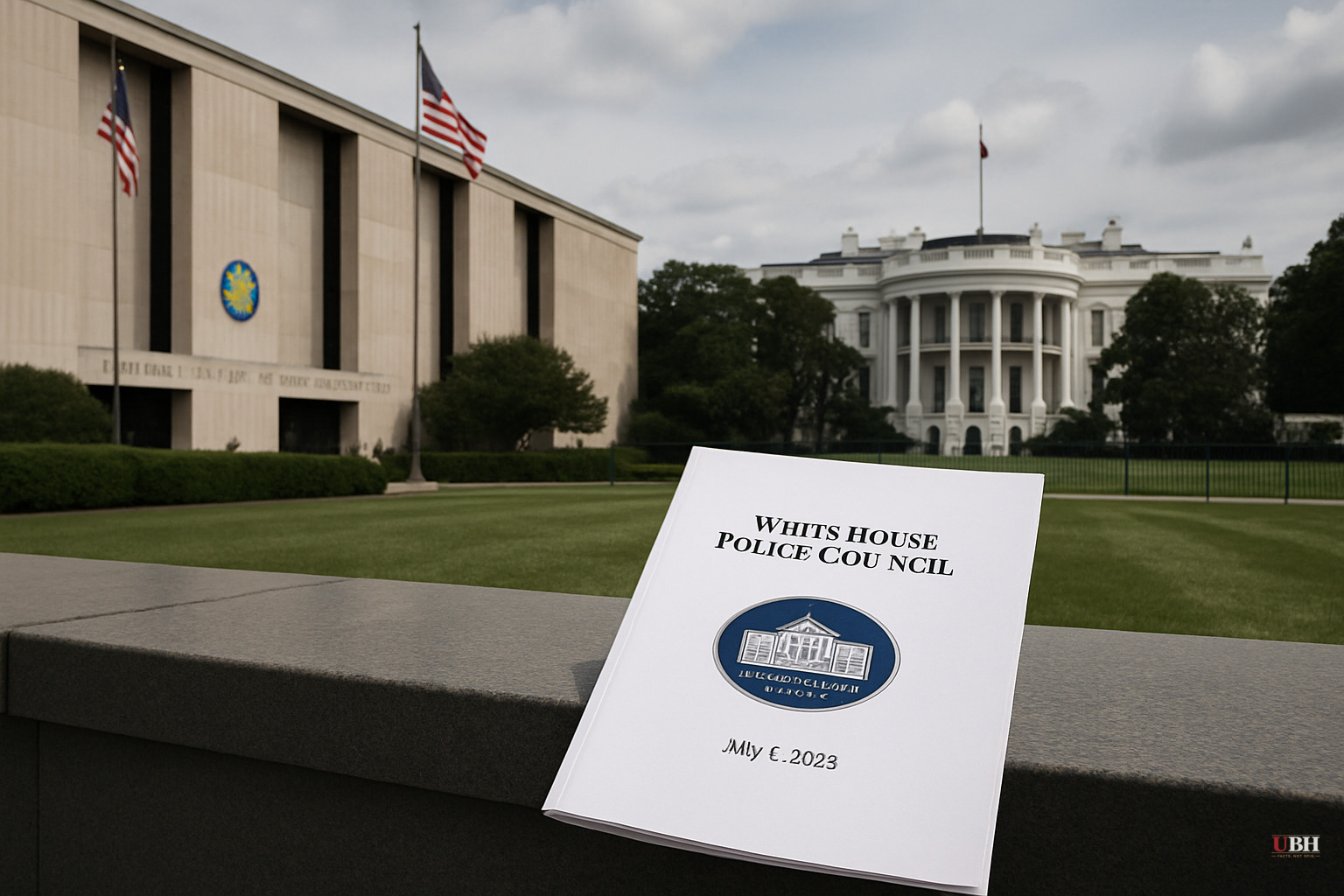
Since Trump's March executive order targeted Smithsonian funding for programs advancing what the administration called "divisive narratives" and "improper ideology," the White House has been building a public case for deeper intervention. The Independence Day report from the White House Domestic Policy Council is the most direct escalation yet.
The council released its findings late on July 4. Its conclusion was unambiguous: "The Smithsonian Institution, and the National Museum of American History in particular, under its current leadership and current interpretive ideology, cannot be trusted to tell America's story honestly and in a way that is inspiring, unifying, and worthy of our great republic."
The report went further, alleging that museum leadership had themselves confirmed the ideological shift in their own words. "This ideological capture has moved the Museum's mission away from straightforward historical education and scholarship toward an extreme political activism that seeks to transform our country," the authors wrote.
The council is led by a former top Trump speechwriter. This is not an independent inspector general review or an academic audit. It is a political document produced by political appointees. Its conclusions are allegations, not findings of an independent body.
Who's in the Crosshairs
The report focuses heavily on the National Museum of American History. Its current director, historian Anthea M. Hartig, is the first woman to hold that post.
Lonnie Bunch, the Smithsonian's secretary, is the first African American to lead the institution. In an unrelated interview that aired Sunday on NBC's "Meet the Press," Bunch addressed the broader mission of the Smithsonian without referencing the White House document. "America's greatest strength, it's not running away from its history, but it's understanding how that history shaped us and continues to shape us," he said. Bunch also said "the notion of being a more perfect union, not the perfect union, is really what motivates me."
The Smithsonian Institution did not immediately respond to requests for comment Sunday, according to AP News.
The Case for What the Administration Is Doing
Conservatives have argued for years that federally funded cultural institutions have drifted from educational neutrality into ideological advocacy. Taxpayers fund the Smithsonian, and the council's report charges that the National Museum of American History "confronts visitors with materials intended to undermine faith in American institutions and the longstanding shared ideals of the American people." The administration's argument is that voters elected a president to redirect exactly this kind of ideological drift in government-funded institutions.
The Pattern and the Legal Reality
This is not the first time Trump has moved on a cultural institution. He had himself installed as chairman of the Kennedy Center for the Performing Arts, and his handpicked board voted to add his name to the building. A federal judge later ordered that signage removed, according to AP News. The administration also pressured Columbia University into policy changes by threatening the loss of several hundred million dollars in federal funding.
The report indicates that Trump may be preparing to install his own team at the Smithsonian. The sources describe the Smithsonian as a federally chartered institution, not a standard executive-branch agency, making the path to a straightforward leadership change legally complex.
What Comes Next
The report reads as a predicate document: build the public record, establish the charge of ideological capture, then move on personnel. Whether the administration follows through on installing new leadership remains an open question. Pennsylvania Gov. Josh Shapiro, a Democrat, accused Trump and his allies of trying to "rewrite history," saying in a CNN interview Sunday: "There's not one individual narrative that a president gets about our history. And any president should want to make sure that that full history is shared, that the American people are able to draw their own conclusions."
Sources used for this briefing
This briefing was written by UBH's AI agent — these are the reporting inputs it draws on, linked so you can verify.


