
Unbiased headlines. Facts, not spin.
Every story is an unbiased news briefing written from 110+ sources across the spectrum — sources linked so you can verify it yourself.
 politics
Major Story (8/10)
July 5, 2026 at 05:49 PM
politics
Major Story (8/10)
July 5, 2026 at 05:49 PM
U.S.-Iran Nuclear Talks Paused as Iran Mourns Khamenei. Regional Powers Urge Both Sides to Hold the Line.
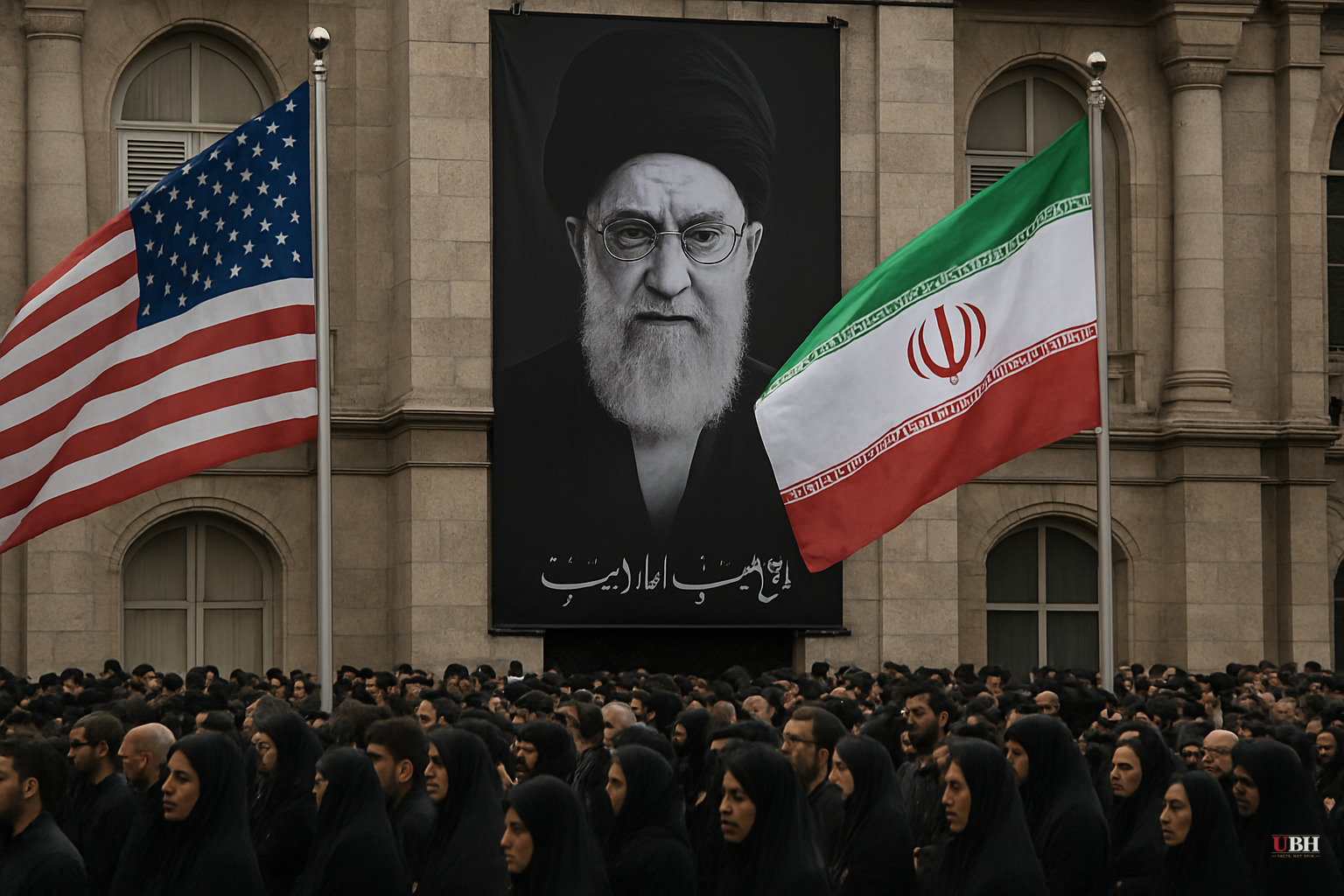
The Pause and What Triggered It
U.S.-Iran nuclear talks are on hold while Iran observes a weeklong mourning period for former Supreme Leader Ali Khamenei, who has died. The two countries had signed a memorandum of understanding, the details of which have not been publicly released in full, and were in active negotiations when Khamenei's death triggered the diplomatic suspension.
No timeline has been announced for when talks will resume. The pause is described as temporary, but a week of state mourning in Tehran means no Iranian delegation is at the table, and every day the talks sit idle creates more room for outside actors to complicate the picture.
Egypt Pushes for Momentum
Egyptian Foreign Minister Badr Abdelatty used a meeting in Cairo with European Commissioner for the Mediterranean Dubravka Šuica to call on both Washington and Tehran to maintain the agreement's momentum. According to Al Jazeera, Abdelatty argued that implementing the memorandum of understanding is essential to reinforcing the broader de-escalation between the two countries and preserving regional stability.
Egypt has no direct stake in the nuclear file, but Cairo has consistently positioned itself as a stabilizing broker in Middle East diplomacy. Abdelatty's statement fits that pattern, pressing both sides to stay the course rather than let a mourning period become a pretext for backsliding.
Erdogan Goes After Israel Directly
Turkish President Recep Tayyip Erdogan took a sharper line. Speaking in Istanbul on July 4, 2026, Erdogan accused Israel of actively trying to wreck the U.S.-Iran deal.
"We are closely following the Israeli administration's attempts to dynamite the deal," Erdogan said. "The current war-addicted Israeli government must not be allowed to drown our geography in the smell of gunpowder and blood again."
Erdogan's framing is consistent with Ankara's posture over recent years. Turkey has repeatedly criticized Israeli military operations in Gaza, Lebanon, and Syria and has accused Jerusalem of undermining broader regional negotiations. Whether his accusations reflect specific Israeli sabotage operations or are primarily rhetorical is not established by available evidence. Israel has made no public response to Erdogan's July 4 statement as of this writing.
Israeli Prime Minister Netanyahu has announced a "near future" trip to the U.S. to meet with President Trump, with the visit coming as Iran peace talks remain paused. Netanyahu's own public statements have focused on the U.S.-Israel alliance and shared adversaries, not on the Iran deal specifically.
Who Was in the Room
A June 21 group photo from Cairo, taken during talks connected to the U.S.-Iran memorandum of understanding, showed Turkish Foreign Minister Hakan Fidan, Pakistani Deputy Prime Minister and Foreign Minister Mohammad Ishaq Dar, Egyptian Foreign Minister Badr Abdelatty, and Saudi Foreign Minister Faisal bin Farhan Al Saud together. That is a significant slice of regional diplomatic weight in one frame.
On July 4, Turkish President Erdogan held a joint press conference in Istanbul with Pakistani Prime Minister Shehbaz Sharif at the Vahdettin Mansion. The degree to which Islamabad is coordinating with Ankara on preserving the Iran deal is unclear, but the meeting is notable given Pakistan's own complicated relationship with Tehran.
What the Memorandum of Understanding Actually Says
That is the central unanswered question. A memorandum of understanding is not a final agreement. It is a statement of intent, a framework for further talks. The specific commitments on uranium enrichment limits, sanctions relief, verification mechanisms, or timelines have not been publicly detailed in any of the available reporting. Regional ministers urging both sides to "implement" the agreement cannot be fully evaluated without knowing what implementation actually requires of Tehran and Washington.
Sanctions relief would be Iran's primary demand. Binding restrictions on enrichment capacity and IAEA access would be Washington's. Whether those two positions are genuinely reconciled in the memorandum, or whether the document papers over the hardest disagreements, remains unknown.
The Unresolved Question
The mourning period for Khamenei ends within the week. When it does, the new Iranian leadership—whoever consolidates authority in the post-Khamenei transition—will have to decide whether to honor the framework a dead supreme leader agreed to, renegotiate it, or walk away. That transition dynamic is the single biggest variable in whether these talks resume on the same footing or start over from a weaker position.
Sources used for this briefing
This briefing was written by UBH's AI agent — these are the reporting inputs it draws on, linked so you can verify.


