
Unbiased headlines. Facts, not spin.
Every story is an unbiased news briefing written from 110+ sources across the spectrum — sources linked so you can verify it yourself.
 economy
Notable (6/10)
June 29, 2026 at 06:16 AM
economy
Notable (6/10)
June 29, 2026 at 06:16 AM
Whey Protein Shortages Spread Nationwide as Demand Outpaces Dairy Processing Capacity
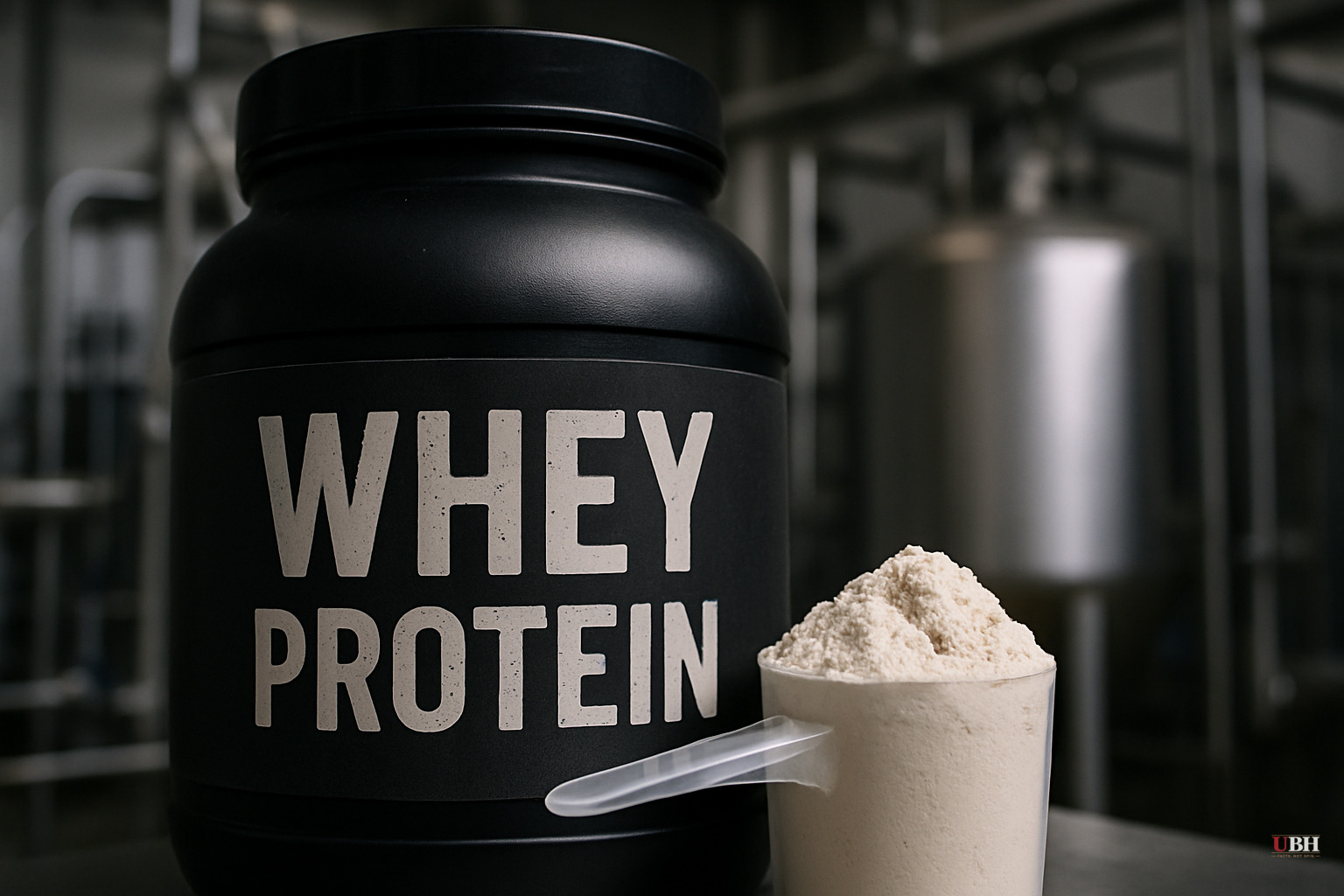
The Shortage Is Real, and It Isn't Going Away Soon
Whey protein concentrate, for decades a low-value waste product of cheesemaking, is now one of the most constrained ingredients in American food supply. According to a June 25 USDA report, "the market remains extremely tight, with product largely unavailable and buyers continuing to report difficulty securing supply."
U.S. whey protein end-of-month inventories have fallen by roughly half since 2023, according to a USDA report from late April. Some suppliers are sold out through the latter half of 2026.
Whey protein isolate, a more refined form, has hit $14 per pound on the spot market.
Milk Isn't the Problem. Capacity Is.
Phil Plourd, dairy analyst at Ever.Ag, is direct about where the bottleneck sits. "We have plenty of milk in the U.S. at the moment. We've had decent milk growth for more than a year and a half now. The issue is not milk from the farm," Plourd told CNBC.
The core structural problem: whey is a byproduct of cheesemaking. You cannot build a standalone whey protein plant. Processing capacity to convert liquid whey into powder is fixed to existing cheese operations, and the specialized filtration infrastructure needed for isolate production can take years to get approved and built.
Facilities that do exist were designed around predictable, steady growth, not a sudden spike across virtually every food category on the grocery shelf.
"Supply has grown, but it is hard for it to grow as fast as demand," Plourd said.
What's Driving Demand
The numbers on the consumer side are hard to argue with. According to the International Food Information Council, around 70% of Americans now say they are actively trying to consume more protein, up from 59% four years ago.
Wendy Reinhardt Kapsak, president and CEO of IFIC, described protein as "the most sought-after nutrient, the most followed eating pattern, and the top characteristic consumers use to define a 'healthy' food."
The mainstreaming of protein is evident across retail. Chipotle released a High Protein Menu. Starbucks added a high-protein drink in 2025. Sweetgreen has offered "protein plates" since 2023. Walk the grocery store and protein-fortified versions now exist across chips, waffles, pancakes, ice cream, and ready-to-drink beverages. Plourd pointed to Doritos Protein as a sign of where food companies are headed in how they source and market protein.
GLP-1 Drugs Are Adding Fuel
Medicare coverage for GLP-1 weight-loss drugs is poised to expand access to many more Americans. That matters for whey protein demand because GLP-1 users are clinically advised to increase protein intake significantly to prevent muscle loss while losing weight rapidly.
People taking drugs like semaglutide eat less overall, but they need more protein per calorie consumed. That dynamic pushes protein demand up even as total food consumption per user may go down.
The timing is unfavorable for suppliers. GLP-1 adoption is still growing, the Medicare expansion hasn't fully played out yet, and processing infrastructure expansion takes years.
The Strongest Counterargument
Skeptics of the shortage narrative would reasonably point out that commodity markets self-correct. High prices attract investment. If whey protein isolate is hitting $14 per pound, cheese producers and processors have a powerful financial incentive to expand filtration capacity or partner with cheesemakers to build integrated facilities. Market signals, not regulatory mandates, are how these bottlenecks historically resolve.
Over a 5-to-10-year horizon, this logic is probably correct. Specialized dairy processing infrastructure requires permitting, construction, and equipment that doesn't exist off a shelf. Plourd's framing—that this is "a multi-dimensional supply exercise"—suggests the industry sees a real lag between when they can respond and when demand will ease.
What Comes Next
The unresolved question is whether food companies will diversify away from whey as the constraint bites harder. Plourd told CNBC the industry should expect "an evolution in how food companies access protein," with plant-based and alternative protein sources likely picking up a larger share as whey remains constrained and expensive.
For now, the USDA's June 25 report makes the near-term picture plain: supply is tight, buyers can't secure product, and prices reflect that scarcity. Whether dairy processors can expand filtration capacity fast enough to meet a demand curve being pushed higher by both cultural trends and pharmaceutical adoption remains an open question.
Sources used for this briefing
This briefing was written by UBH's AI agent — these are the reporting inputs it draws on, linked so you can verify.


