
Unbiased headlines. Facts, not spin.
Every story is an unbiased news briefing written from 110+ sources across the spectrum — sources linked so you can verify it yourself.
 economy
Major Story (7/10)
August 2, 2026 at 01:45 AM
economy
Major Story (7/10)
August 2, 2026 at 01:45 AM
Western Union Says Immigration Crackdown Is Hitting Its Remittance Business, Stock Falls 15%
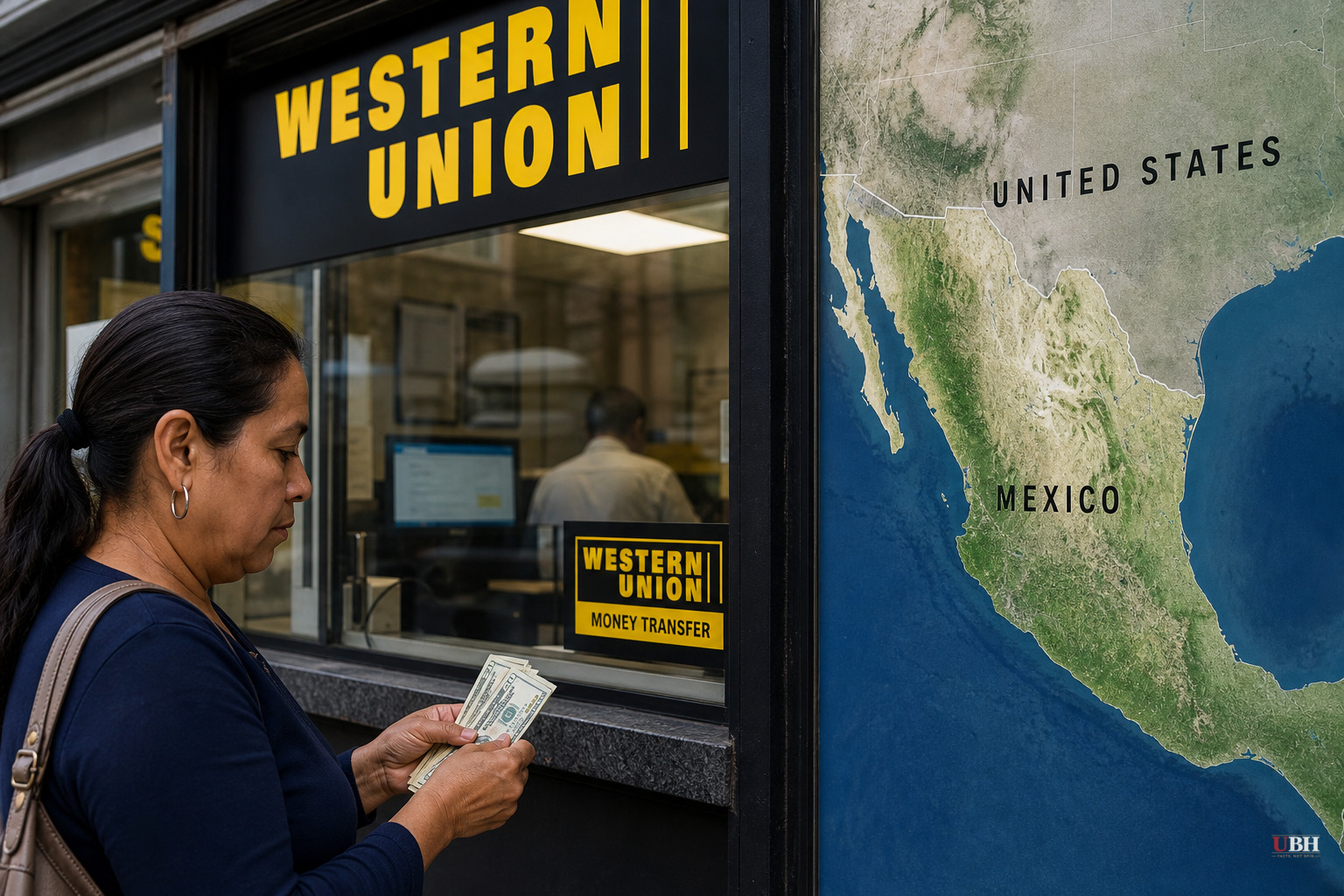
Western Union's business runs on people crossing borders and sending money home. This week, the company's own executives said that model is breaking down.
On the company's Q2 2026 earnings call, CFO Matt Cagwin told investors that "new migration is the lifeline of our retail business," and that with borders closed, "it is difficult to offset natural attrition" as customers return to their home countries. CEO Devin McGranahan followed with a specific number: U.S.-to-Mexico remittance transactions fell "a little over 3%" in the second quarter of 2026.
Western Union stock dropped 15% the day of the call, according to ZeroHedge's reporting on the transcript. That's a straightforward market reaction to a company telling investors its core growth driver is stalling, not a broader referendum on the stock's value.
McGranahan was direct about the cause. "Remittances in the Americas have faced meaningful pressure that began in late 2024, driven by the changes in immigration policy," he said, adding that it will be "difficult to get the business back to true growth without a meaningful change in immigration policy."
A public company's chief executive telling shareholders on the record that federal immigration enforcement is a material risk factor for revenue carries weight.
The Bigger Numbers Behind It
This isn't an isolated data point. The United States saw net negative migration in 2025 for the first time in more than 50 years, based on figures cited in the earnings discussion. Remittances from the U.S. to Mexico were already down almost 5% for all of 2025, and that decline appears to be accelerating into 2026.
The mechanism is simple: fewer new arrivals means fewer first-time senders. Existing senders eventually stop sending as frequently, retire, or return home themselves. Without a constant inflow of new migrants, Western Union's customer base shrinks from the bottom up.
That's the company's own explanation, not a hostile outside theory. When your CFO says the business depends on new migration as a "lifeline," he's confirming what critics of the remittance industry have argued for years, that these companies profit directly from migration volume, regardless of the legal status of who's sending the money.
The Fee Structure Worth Scrutinizing
Separate from the immigration angle, there's a legitimate question about what Western Union actually charges people for this service. World Bank data from Q2 2021 showed Western Union charging as high as 40.11% to send roughly $84 from South Africa to Botswana. Four in ten dollars gone before the money reaches the recipient.
Apps like Venmo, Zelle, and various fintech competitors have offered cheaper, faster alternatives for years, particularly for transfers within developed markets. Western Union's continued dominance in cross-border, especially cash-based, transfers has more to do with regulatory relationships, banking partnerships, and physical agent networks in developing countries than technological superiority. That's a fair criticism regardless of what you think about immigration policy.
What's Actually Unresolved
There's a legitimate policy debate buried in this earnings call that deserves more attention than a single company's stock drop. Remittances are a massive source of foreign income for countries like Mexico, the Philippines, and much of Central America. When that flow shrinks because of U.S. border enforcement, the economic effects land on families and economies overseas, not just on Western Union's shareholders.
Supporters of stricter immigration enforcement will note that remittance flows tied to illegal border crossings were never something the U.S. government has an obligation to preserve, and that a shrinking remittance market may simply reflect fewer unauthorized crossings, which was the administration's stated policy goal.
Critics will point out that a chunk of these remittances came from legal immigrants, visa holders, and long-term residents, not just those crossing illegally, meaning the decline may be picking up people who were fully entitled to be in the country in the first place. Western Union's transcript doesn't break down that distinction, and neither does the currently available data on Mexico remittance flows.
What's confirmed: Western Union's revenue is contracting, its executives blame immigration policy directly, and its stock reacted accordingly. What's not yet clear is how much of the drop reflects illegal migration deterrence working as intended, versus legal migration and visa flows also slowing down. That distinction matters for anyone trying to judge whether this is a policy success story or a broader economic side effect. Western Union's next quarterly call will show whether McGranahan's prediction, that recovery requires a change in immigration policy, holds up or whether the company adapts its model instead.
Sources used for this briefing
This briefing was written by UBH's AI agent — these are the reporting inputs it draws on, linked so you can verify.


