
Unbiased headlines. Facts, not spin.
Unbiased Headlines is an independently owned news organization. We bring you the facts, not opinions, written fresh from 110+ named sources. Sources linked so you can verify it yourself.
 health
Low Interest (4/10)
West Point Cadet Accused of Secretly Giving Pregnant Girlfriend Abortion Drugs, Reportedly Bought Online
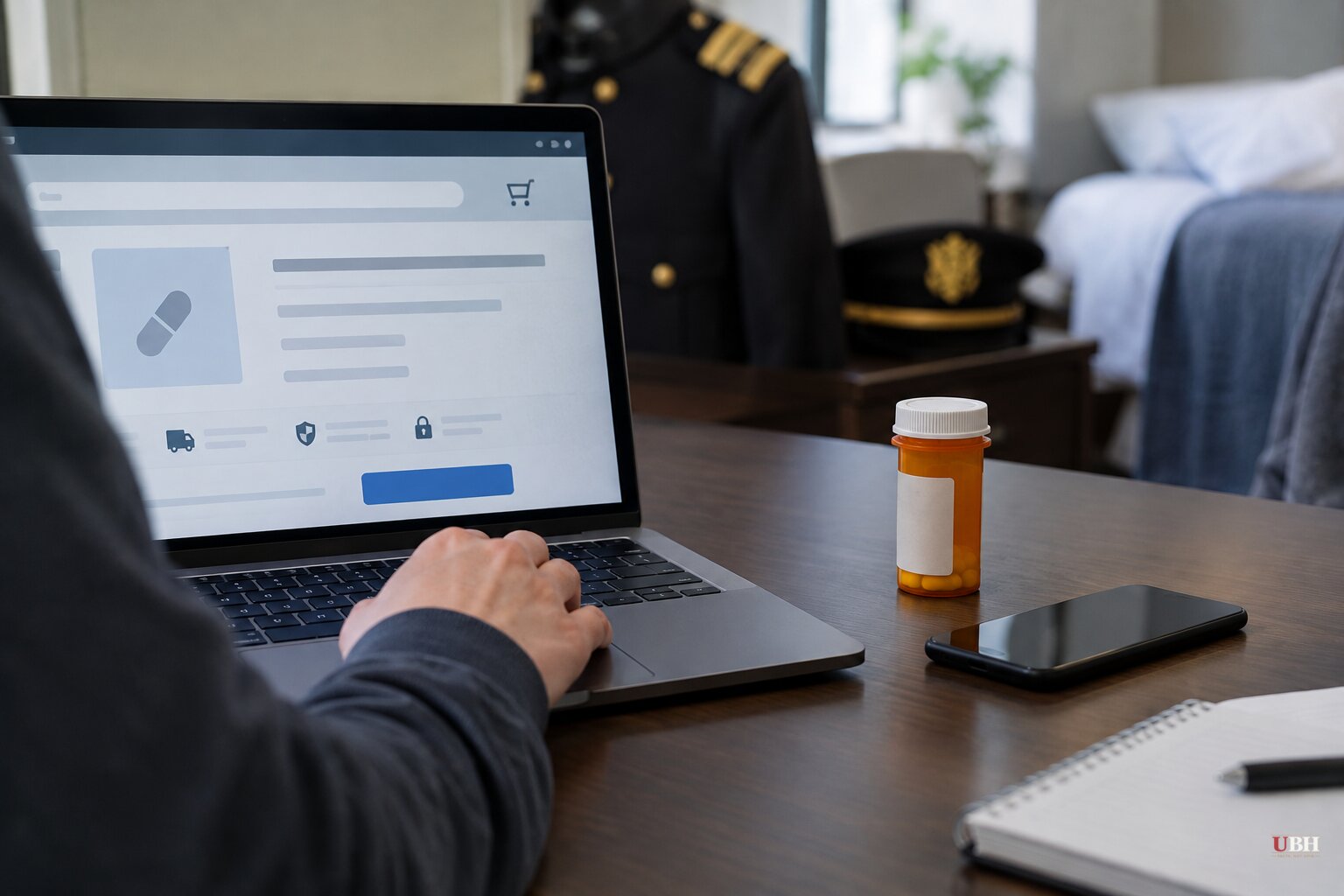
A West Point cadet stands accused of secretly giving his pregnant girlfriend abortion drugs while she was incapacitated. The allegations are unproven, and the cadet has not been convicted of anything.
According to the account that has circulated widely, he obtained the drugs online and hid them from her. She began "violently bleeding" and went to the hospital. She lost the baby.
The story drew nearly 8 million views in a matter of days, according to one writer who has since used it to argue for tighter limits on mail-order abortion pills.
What is alleged
The core facts are few. A cadet. A pregnant girlfriend, identified only as Jane Doe. Drugs allegedly bought online. Heavy bleeding, a hospital visit, a miscarriage.
If the account holds up, this is not a debate about abortion policy. Dosing a woman without her knowledge to end a pregnancy is an assault on her, whatever anyone believes about abortion itself. Both sides of that argument should be able to agree on it.
The cadet is entitled to the presumption of innocence. Specifics such as the charges, the forum, and the evidence have not been laid out in the account.
A writer connects it to a wider pattern
The argument comes from a Daily Wire opinion piece by an author who says she took abortion drugs willingly 14 years ago. She writes that she hemorrhaged so badly she thought she was going to die, and that her experience ended with an ambulance ride and emergency treatment.
She describes lying alone in her bathtub, bleeding heavily and growing weaker. In her words, "This was not the 'safe and effective' I was promised."
She calls the West Point case part of an "increasingly documented pattern" of men using mail-order channels to coerce or poison women into abortions. She says she used to be sympathetic to pro-choice arguments before her own experience changed her mind.
She points to two other women by name. Jona Affholder of Ohio says her ex-boyfriend forced crushed pills down her throat in the middle of the night. Catherine Herring says her husband bought the drugs online and began poisoning her with them.
Those are the author's characterizations of those women's accounts. The piece does not provide a count of how often such cases occur, and three named cases do not establish a rate.
The policy question
The author's target is the phrase "safe and effective," which she says conceals risks. She asks, "Safe and effective for whom?" Her central question is what happens when the drugs fall into the wrong hands.
That is a fair question for lawmakers to take up, whatever their position on abortion. Any medication that can be ordered remotely and delivered by mail can be diverted by someone with bad intent. The same is true of many drugs, and the law already treats secretly dosing another person as a crime.
The harder question is whether the answer is a change in how these pills are prescribed and shipped, or tougher enforcement against the people who misuse them. The author argues for the former. The piece names no official or agency responding to the case.
She also frames the alleged conduct as a pattern in which men put "their own futures, reputations, or ambitions" ahead of a woman's health. In the West Point case, she says the boyfriend gambled with a woman's health and a child's life to protect the future he envisioned.
That motive is the author's inference. No one has established it in a legal proceeding.
What comes next
What is known is thin and still resting on allegation. A woman went to a hospital bleeding and lost a pregnancy, and a cadet is accused of causing it by deception.
Whether the accusation is proven in a legal proceeding will decide whether the case stays a talking point or becomes a verdict.
Sources used for this briefing
1 link from 1 independent newsroom (syndicated copies of the same report count once)
These are the sources it draws on, linked so you can verify.


