
Unbiased headlines. Facts, not spin.
Unbiased Headlines is an independently owned news organization. We bring you the facts, not opinions, written fresh from 110+ named sources. Sources linked so you can verify it yourself.
 health
Major Story (7/10)
CMS Sets 2027 Medicare Part B Premium at $209.40, Up $6.50, While Stand-Alone Part D Premiums Are Projected to Jump 50%
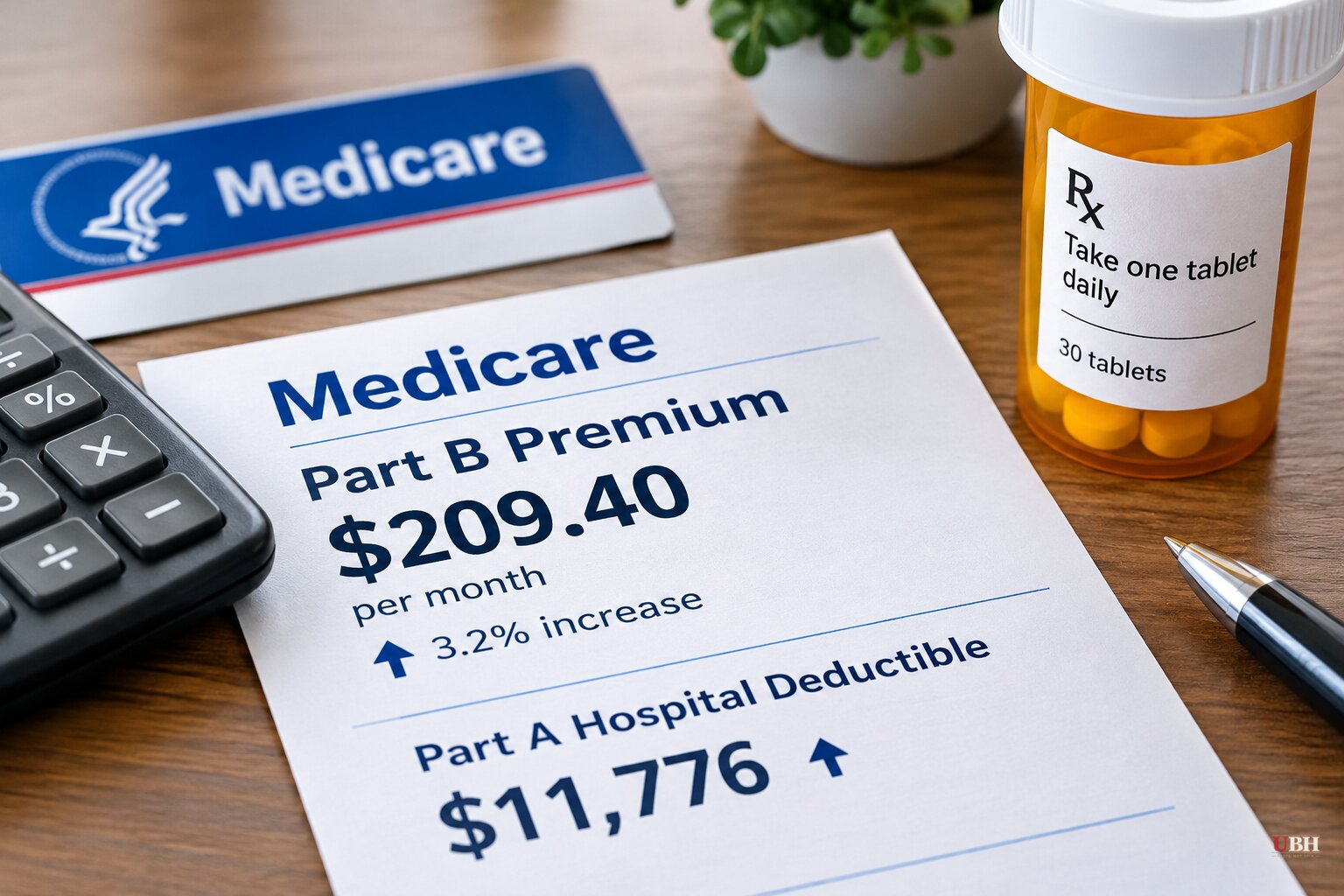
A day after the Centers for Medicare & Medicaid Services released its 2027 Medicare cost-sharing figures on Nov. 17, the numbers point to a higher bill for most of the more than 70 million people on the program, with the biggest swings in prescription drug coverage rather than in the Part B premium.
What CMS set for Parts A and B
The standard monthly Part B premium will be $209.40 in 2027, up $6.50, or 3.2%, from $202.90 in 2026. The annual Part B deductible rises $9, from $283 to $292.
For a standard-premium enrollee, that works out to $78 more a year in premiums. Add the full deductible increase and the extra cost is $87.
The Part A inpatient hospital deductible climbs $40, from $1,736 to $1,776. Hospital coinsurance for days 61 through 90 goes from $434 to $444 a day. Lifetime reserve days go from $868 to $888 a day. Skilled nursing facility coinsurance for days 21 through 100 goes from $217 to $222 a day.
Approximately 99% of beneficiaries pay no Part A premium because they have at least 40 quarters of Medicare-covered work, CMS said. The rest do pay. People with at least 30 quarters of coverage, or who were married to someone with at least 30 quarters, can buy in at a reduced rate of $328 a month, up from $311. Those with fewer than 30 quarters, and certain people with disabilities who have exhausted other entitlements, will pay the full $597, up from $565.
CMS attributed the increases primarily to projected growth in health care spending.
How it compares with the Social Security raise
Most Part B enrollees have the premium deducted straight from their Social Security checks. The Social Security Administration announced on Oct. 14 that the 2027 cost-of-living adjustment is 3.6%, set to take effect in January, which raises the average retirement benefit by about $75 a month.
The $6.50 Part B increase takes back a slice of that. It is also much smaller than last year's $17.90 jump, which was the second-largest in the program's history.
Higher earners pay more. CMS estimates roughly 9% of people with Part B are subject to income-related surcharges, which are generally based on 2025 tax returns under a two-year lookback. Enrollees who have retired, divorced or lost a spouse can ask the government to use more recent income.
Part D is where the money moves
Part D plans can charge a deductible of up to $700 in 2027, up from $615. KFF's analysis of 2027 plan filings shows the average stand-alone drug plan premium rising 50%, from $34 to $51 a month, for enrollees who do not switch plans.
There will be no zero-premium stand-alone plans in 2027. More than 4 million people currently in $0 plans will pay something, KFF found.
The spread is wide. The eight national stand-alone plans range from about $6 to $204 a month. Centene's Wellcare Value Script Rx is cheapest at an average $6.50, up from $5.80. United's AARP Medicare Rx Preferred is the most expensive at $204.50, up from $126.
Plans bundled into Medicare Advantage look very different. KFF projects drug coverage there will average $9 a month, with an increase of less than $2.
Deductibles are climbing too. KFF puts the average at $643 for stand-alone plan enrollees, up from $540, and $489 for Medicare Advantage drug plans, up from $360. Virtually all stand-alone enrollees, 99.8%, will face a deductible.
"With some plans increasing premiums substantially, the stakes are higher this year for people with Medicare stand-alone drug coverage if they sit on the sidelines during open enrollment," said Juliette Cubanski, a vice president and director of the Program on Medicare Policy at KFF. "There are relatively low-premium PDP options, but people facing large premium increases need to take action if they want to avoid paying significantly more."
Open enrollment runs through Dec. 7.
The under-65 market is rising faster
People buying their own coverage on the Affordable Care Act marketplace face steeper increases. A Washington Post analysis of finalized and proposed filings finds 2027 premiums typically rising around 15%, the second straight year of double-digit increases. Insurers cited labor shortages and health care costs that have risen amid the growing use of GLP-1 medications.
Enrollment is shrinking. Federal data show nearly 3 million people left the marketplace during a year-long period that ended in early 2026, and KFF counted only about 20.5 million enrolled by June. The Post reports that roughly another 5 million could lose ACA insurance by the end of 2026 amid increasing costs, lingering effects of the loss of subsidies and new restrictions imposed by the Trump administration.
Democrats have discussed expanding Medicare and restoring the expired marketplace subsidies if they take back Congress. The subsidy fight was one of the issues that triggered last year's extended government shutdown, according to the Post.
The people behind the numbers are not abstract. Jess Settle, 39, of Rappahannock County, Virginia, has two jobs and neither offers coverage. She earns too much for Medicaid and has paid $400 a month for her marketplace plan. Her insurer is leaving the marketplace, and as of Dec. 31 she will need a new solution that is likely to be more expensive. "I'm kind of at that crossroads right now," she told the Post.
What comes next
The Part A and Part B changes apply starting next year. Anyone on a stand-alone drug plan has until Dec. 7 to compare 2027 premiums and deductibles.
For retirees, the math is straightforward. A 3.6% raise on the average benefit is about $75 a month, and for those who don't switch plans, the roughly $17 average increase in the stand-alone Part D premium, on top of the $6.50 Part B increase, would take a further slice out of that raise.
Sources used for this briefing
7 links from 7 independent newsrooms (syndicated copies of the same report count once)
These are the sources it draws on, linked so you can verify.


