
Unbiased headlines. Facts, not spin.
Unbiased Headlines is an independently owned news organization. We bring you the facts, not opinions, written fresh from 110+ named sources. Sources linked so you can verify it yourself.
 health
Notable (5/10)
Wellcome commits £9.3m to study UK under-16 social media ban across 300,000 young people
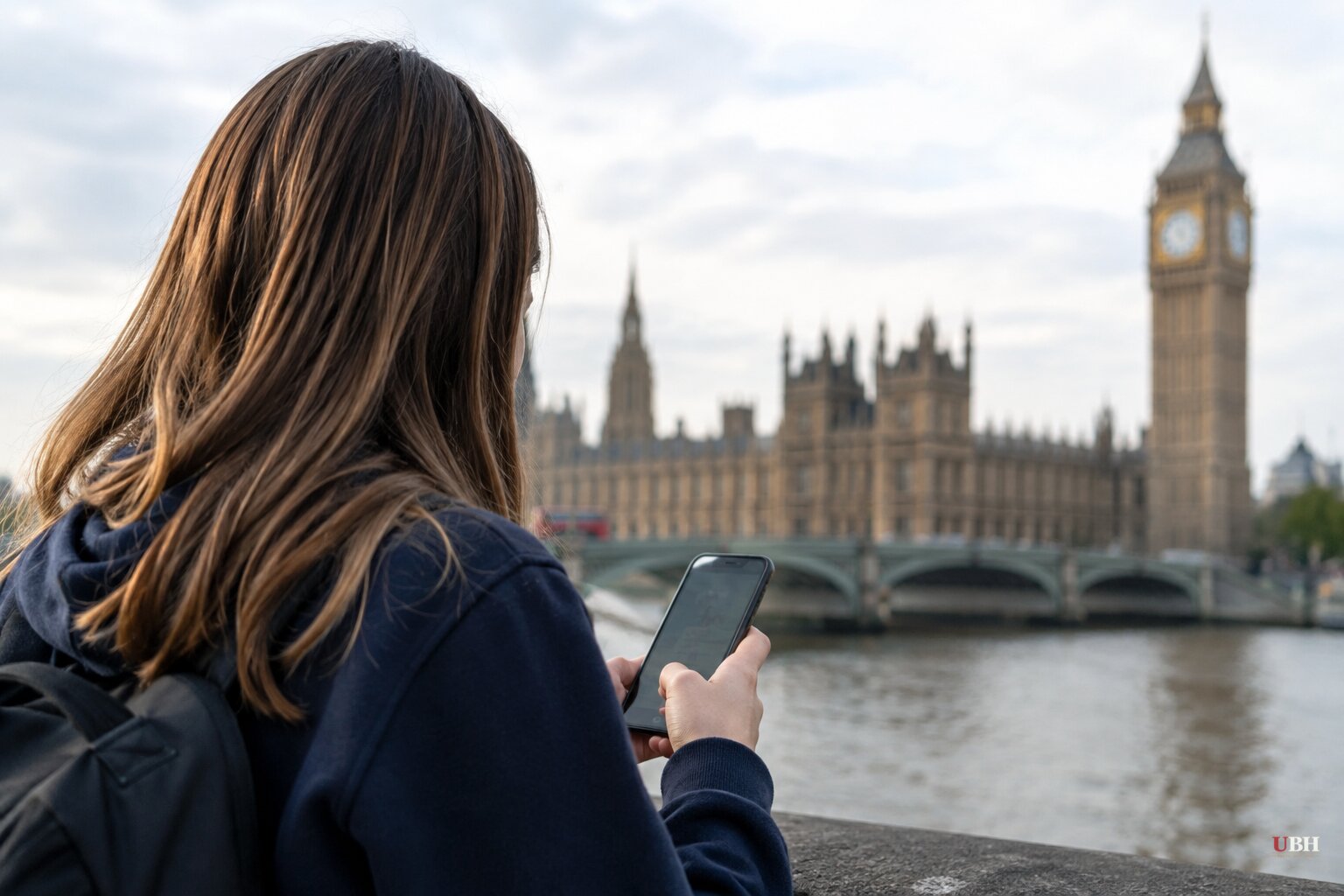
Britain is about to ban social media for under-16s. Only now is anyone funding a large-scale check on whether it works.
Wellcome, the health charity, has committed £9.3 million to ten research projects across England, Wales and Scotland. They will involve more than 300,000 young people. Wellcome describes it as the largest scientific assessment of social media restrictions and mental health anywhere in the world.
What the studies will measure
The government announced the under-16 ban in June. Restrictions are expected to cover platforms including Instagram, YouTube, TikTok, Snapchat, Facebook and X, with additional limits on live-streaming and on contact from strangers on gaming platforms. The first set of regulations is expected to be laid before Parliament before the end of this year, with changes in place by spring 2027.
Researchers will compare conditions before and after the ban takes effect. They will use wearable devices, smartphones, digital diaries and surveys. The topics include mental health, sleep, physical activity, anxiety and emotional development.
The teams will also look at whether young people dodge the rules, and how. That question matters. Australian teenagers have been reported finding ways around that country's ban, and the UK government has promised to make sure tougher blocks are in place.
One project, Smart Schools Plus, is co-led by Prof Victoria Goodyear of the University of Birmingham. It covers 16 schools and 800 pupils in England. It will track mental health alongside sleep, physical activity, social networks, disruptive behaviour, attainment and attendance.
"We're going to look at whether sleep, physical activity, social networks, and these other educational outcomes influence the mental health outcomes," Goodyear said. "So it's answering, why are there any changes or why are there not any changes?"
Researchers at King's College London will examine whether the effects differ between girls and boys. Other groups are based at Cardiff, Oxford, Edinburgh, Manchester, the London School of Hygiene and Tropical Medicine, and University College London.
Participants are being recruited to include young people with existing anxiety or depression, as well as neurodivergent young people.
The evidence gap
Dr Camilla Iannone, research lead at Wellcome, was blunt about where the science stands today.
"We all know there has been a quite heated debate around the social media ban here in the UK, but also around the world. But there is very limited scientific evidence about how social media and its restriction is actually affecting the mental health of young people," she said.
She called the project a "once-in-a-generation opportunity to study at scale" how social media and its restrictions affect youth mental health. She also rejected a simple framing: "We really don't think that this is a simple binary question of whether social media is good or bad, or whether restrictions work or don't work."
The government settled on the policy in June. The large-scale evidence is only now being gathered, and the research is designed to run alongside the rollout.
Australia offers no clear answer yet
Australia introduced its under-16 ban in December 2025. Eleven months on, it has produced no clear results. Supporters say it is protecting young people from harmful content. Critics say it is too harsh.
Reddit and a digital rights group are challenging the law in Australia's High Court. They argue it is unconstitutional. That case began earlier this month.
In Britain, opinion is split in a similar way. Some people have raised concerns about young people who rely on social media for friendships. Others point out that children could find ways around the restrictions. The Wellcome studies are built to test both worries rather than assume either.
The UK is moving beyond social media as well. The government has said it is "looking seriously" at banning under-16s from Vinted and eBay. Ofcom, the regulator, outlined its age-check methods on Oct. 29, ahead of the ban.
Timing is the open question
Wellcome says results are expected next year. Researchers are hopeful some will be available before the ban comes into force. That is a hope, not a commitment.
If early findings land before spring 2027, they could inform the regulations Parliament is due to see by the end of this year. If they arrive afterward, they will measure a policy already in force. Ministers have not said whether they would adjust the rules based on what the studies find.
Sources used for this briefing
7 links from 6 independent newsrooms (syndicated copies of the same report count once)
These are the sources it draws on, linked so you can verify.


