
Unbiased headlines. Facts, not spin.
Every story is an unbiased news briefing written from 110+ sources across the spectrum — sources linked so you can verify it yourself.
 health
Major Story (7/10)
July 6, 2026 at 07:09 PM
health
Major Story (7/10)
July 6, 2026 at 07:09 PM
Wellcare's Zero-Premium Drug Plan Trap: Thousands More Enrollees Face the Same Coverage Loss in 2027
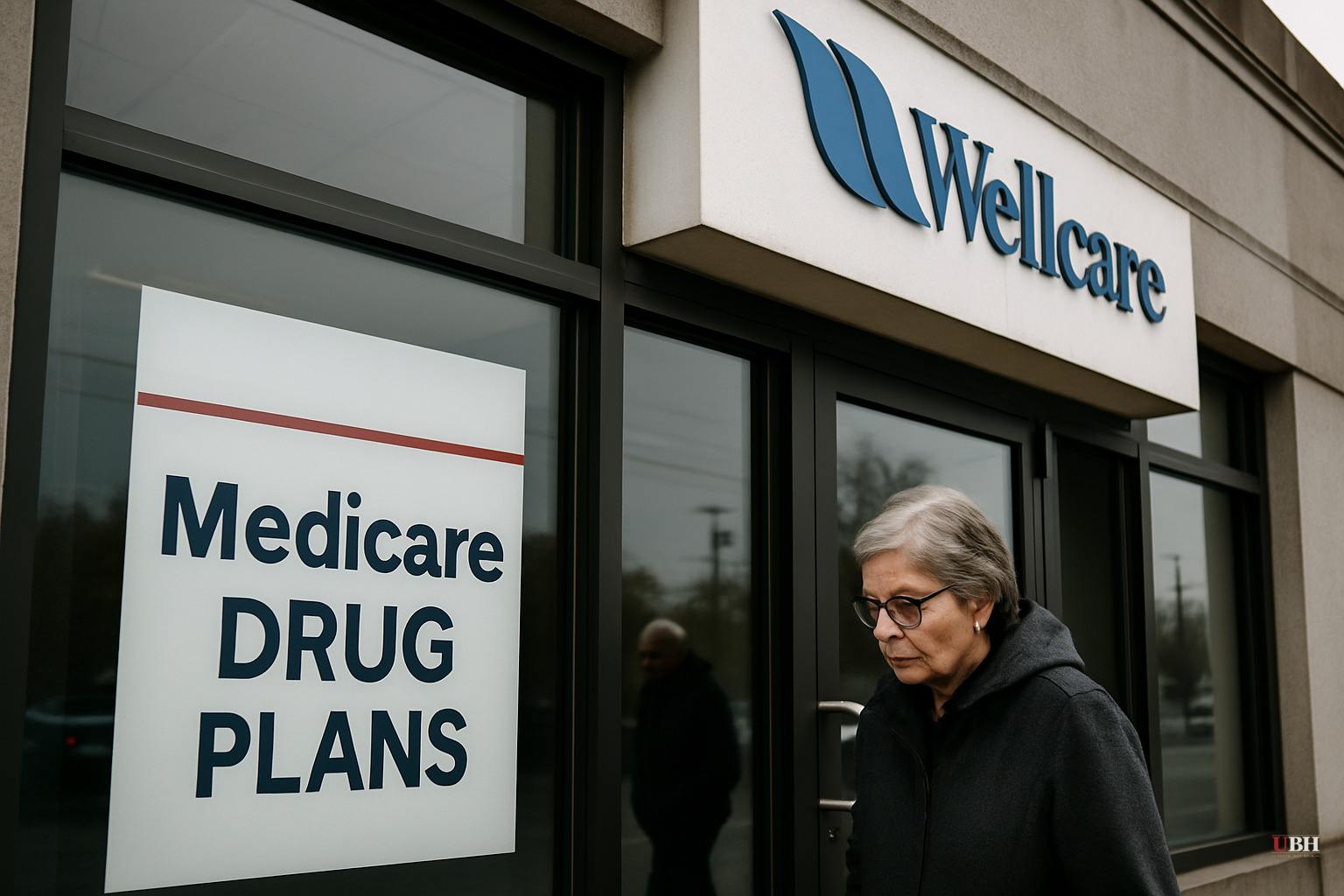
Since our July 6 report on tens of thousands of Medicare enrollees losing drug coverage over $28.80 in unpaid premiums, thousands of additional cases have surfaced showing who specifically gets caught and why the problem is almost certain to repeat in 2027.
One Patient's Situation Illustrates the Stakes
Jude Pare, 77, of rural Minnesota, takes Xarelto, a blood thinner prescribed to reduce his risk of strokes, blood clots, and pulmonary embolism. His partner, Diane Tix, told NPR that a 90-day supply of the drug costs approximately $1,800 using a GoodRx coupon. Without insurance coverage, that's a direct, recurring out-of-pocket cost.
Pare's Wellcare Value Script plan carried a $0 monthly premium. He didn't receive notice that his premium had increased before the cancellation took effect. By the time he and Tix returned from their winter stay in Arizona and found a termination letter waiting, three months of unpaid premiums totaling $28.80 had already triggered the cancellation. Under Medicare's rules, Pare cannot re-enroll in a drug plan until this fall, for coverage that would begin in 2027.
The Structural Problem Is Not Limited to Pare
Pare's case is a single documented example of a broader pattern. A KFF Health News analysis of drug plan enrollment data found that thousands of Medicare beneficiaries across 32 states and Washington, D.C., are currently enrolled in zero-premium plans from Wellcare and other competing insurers. If any of those plans raise their premiums for 2027, which won't be publicly disclosed until September, enrollees who don't catch the change could find themselves in exactly the same cancellation cycle.
Nearly 90% of Medicare beneficiaries take at least one prescription drug, according to the Centers for Disease Control and Prevention. Close to half live with four or more chronic conditions that can cause functional or cognitive impairment. A three-month coverage gap isn't a bureaucratic inconvenience for this population. It's a direct health risk.
Why Zero-Premium Plans Create This Specific Vulnerability
Congress added prescription drug coverage to Medicare in 2003. The coverage is administered by commercial insurers competing for roughly 56 million Medicare beneficiaries enrolled in drug plans, according to NPR. Zero-dollar or very low premiums have been a primary competitive tool, making plans like Wellcare's Value Script among the best-selling products in the market.
The problem with zero-premium plans is behavioral, not malicious: enrollees who pay nothing month after month reasonably assume there's nothing to pay. When a premium increase arrives, especially by mail to someone who travels seasonally or who has forwarding issues, the notification can fail to register as urgent before the termination clock starts running.
Medicare's rules permit cancellation after three months of non-payment. That rule exists for a legitimate reason: insurers need some mechanism to handle non-payment. But the combination of that rule, the zero-premium starting point, and notification practices that rely on mailed statements creates a foreseeable gap.
The Strongest Counterargument
The fairest version of the insurers' and program administrators' defense is this: Medicare sends an Annual Notice of Change every fall, and beneficiaries are expected to review it. The system isn't designed to chase enrollees for $9.60 a month. The administrative cost of doing so would dwarf the premium itself. If someone isn't opening their mail for three months, that's a notification problem that no insurer can fully solve. The rules are published, the notices are sent, and personal responsibility for managing one's own coverage has to count for something.
This position is defensible. But it runs into a practical problem: the population most vulnerable to this cancellation is elderly, managing multiple conditions, and potentially with cognitive impairment. This same population is least equipped to catch a $9.60 line item buried in a year-end insurance document. The system's design and the enrollee population's characteristics are a poor fit.
What Comes Next
Insurers and the Centers for Medicare and Medicaid Services will announce 2027 plan premiums and changes this September. That's when it will become clear how many currently zero-premium plans are increasing their rates and how many of the estimated thousands of at-risk enrollees across 32 states will be in the same notification window that caught Pare.
Whether this happens again is not in question. The structure guarantees it can. The open question is whether CMS will require stronger proactive notification before the 2027 plan year begins, or whether the September disclosure will simply restart the same cycle for a new cohort of enrollees.
Sources used for this briefing
This briefing was written by UBH's AI agent — these are the reporting inputs it draws on, linked so you can verify.


