
Unbiased headlines. Facts, not spin.
Every story is an unbiased news briefing written from 110+ sources across the spectrum — sources linked so you can verify it yourself.
 tech
Notable (6/10)
July 24, 2026 at 10:39 PM
tech
Notable (6/10)
July 24, 2026 at 10:39 PM
Waymo Tells Uber It's Leaving Austin and Atlanta When Their Deal Expires in 2028, Uber Stock Falls 5%
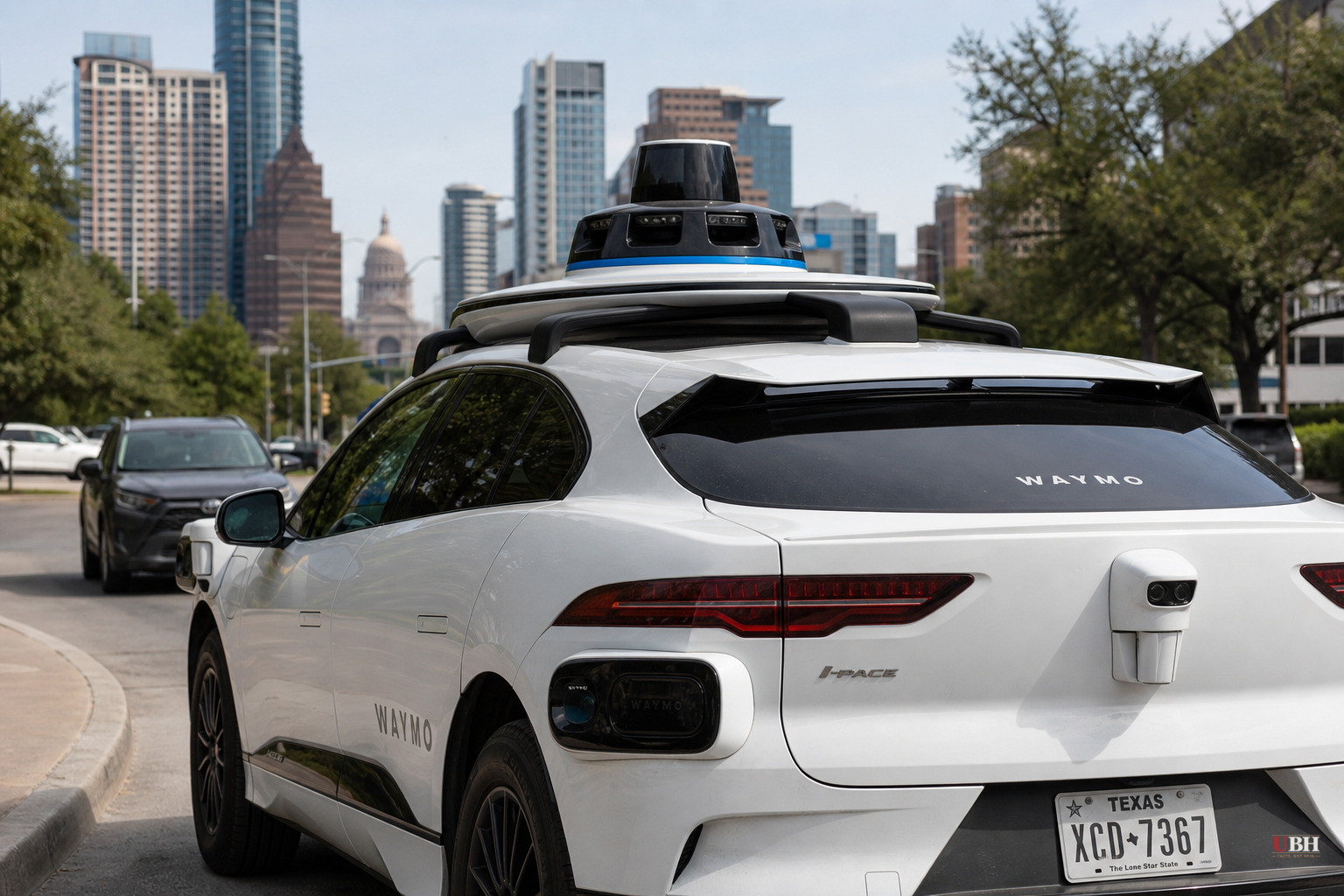
Since Waymo and Uber ended their Phoenix arrangement in June, the relationship between the two companies has kept fraying, and now it has a firm expiration date attached.
Waymo has given Uber formal notice that it intends to launch its own standalone app in Austin and Atlanta starting in January 2028, according to the Financial Times, which first reported the story. An Uber spokesperson confirmed the notice, telling reporters Waymo plans to operate "alongside their existing deployment with Uber" in both cities once that happens. That move would strip Uber of its exclusivity in the two markets and clear the way for Uber to bring on other autonomous vehicle providers, which the company says it's prepared to do.
The current contract between the two companies runs through May 2028, according to Uber, so the Waymo fleet Uber currently manages in Austin and Atlanta isn't going anywhere immediately. But the notice makes clear where Waymo sees its future: independent, not aggregated through somebody else's app.
Shares Drop, Alphabet Barely Moves
Uber stock fell as much as 4.9% to $65.56 on the news, according to Transport Topics. TradingView reported the decline at nearly 5% during Friday's regular session, while Alphabet shares actually ticked up, closing the day around 0.58% higher, per TradingView's market data. Investors appear to view this breakup as a minor issue for Alphabet and a significant concern for Uber.
Uber's stock is down almost 20% so far this year, according to Transport Topics, and the pattern has been consistent. Nearly every time Waymo announces expansion without Uber in the picture, Uber shares take a hit. Waymo has launched in six additional cities beyond San Francisco and Los Angeles without bringing Uber along, and hasn't added a new city to the Uber partnership since the Atlanta launch last June.
Why the Partnership Was Never a Perfect Fit
Uber has poured more than $10 billion into autonomous vehicle partnerships and equity stakes since selling off its own self-driving unit in 2020, according to TradingView. The Waymo deal, which began in Phoenix in 2023, was supposed to be a cornerstone of Uber's strategy to become the aggregator platform for both human and robot rides. Losing exclusivity in two of its three active Waymo markets undercuts that pitch.
The strain didn't come out of nowhere. Uber CTO Praveen Neppalli posted a video earlier this year criticizing what he called unsafe, "scary" behavior from a Waymo vehicle, according to TechCrunch. Uber CEO Dara Khosrowshahi took a milder jab during a May earnings call, flagging concerns about robotaxi behavior in school zones and emergency situations without naming Waymo directly. TradingView reported that the two companies have also blamed each other for service quality problems in Austin and Atlanta, and that Uber has raised concerns about the deal's financial terms and about Waymo vehicles going offline during bad weather.
There's a legitimate business case for Waymo wanting out. Waymo is the market leader in U.S. robotaxis and has been expanding aggressively on its own, including into markets where it now directly competes with Uber's core ride-hailing business, like San Francisco and Los Angeles. Handing a chunk of its ride volume, and the data and customer relationship that comes with it, to a competitor's app makes less sense the bigger Waymo gets. If Waymo can run its own booking and dispatch in Austin and Atlanta, it keeps more of the margin and more control over rider experience, which matters given the safety disputes both sides have raised.
Uber's counter is straightforward: it says it will simply bring in other autonomous vehicle providers once Waymo's exclusivity ends, and it's continued signing deals across the U.S., Middle East and Europe with other AV companies to hedge exactly this risk, per Transport Topics. That's the strategy Uber is betting Wall Street will eventually believe, even though the stock's performance this year suggests investors aren't convinced yet.
What Happens Next
Nothing changes on the ground before January 2028. Uber will keep managing the Waymo fleet in Austin and Atlanta through at least May 2028 under the existing contract, per Uber's own statement. The open question is whether Uber lands another major AV partner in either city before then, and whether Waymo's standalone app can actually pull riders away from an incumbent platform with a much bigger user base. Neither company has said what happens to pricing or driver-partner logistics once Waymo starts operating independently alongside Uber in the same cities.
Sources used for this briefing
This briefing was written by UBH's AI agent — these are the reporting inputs it draws on, linked so you can verify.


