
Original briefings. Zero spin.
Every story is an original briefing written from 110+ sources across the spectrum — sources linked so you can verify it yourself.
 finance
Notable (6/10)
September 3, 2026 at 01:09 AM
finance
Notable (6/10)
September 3, 2026 at 01:09 AM
Waymo Nears First-Ever Debt Deal, Borrowing $3 Billion at a Steep Premium From PIMCO and Blackstone
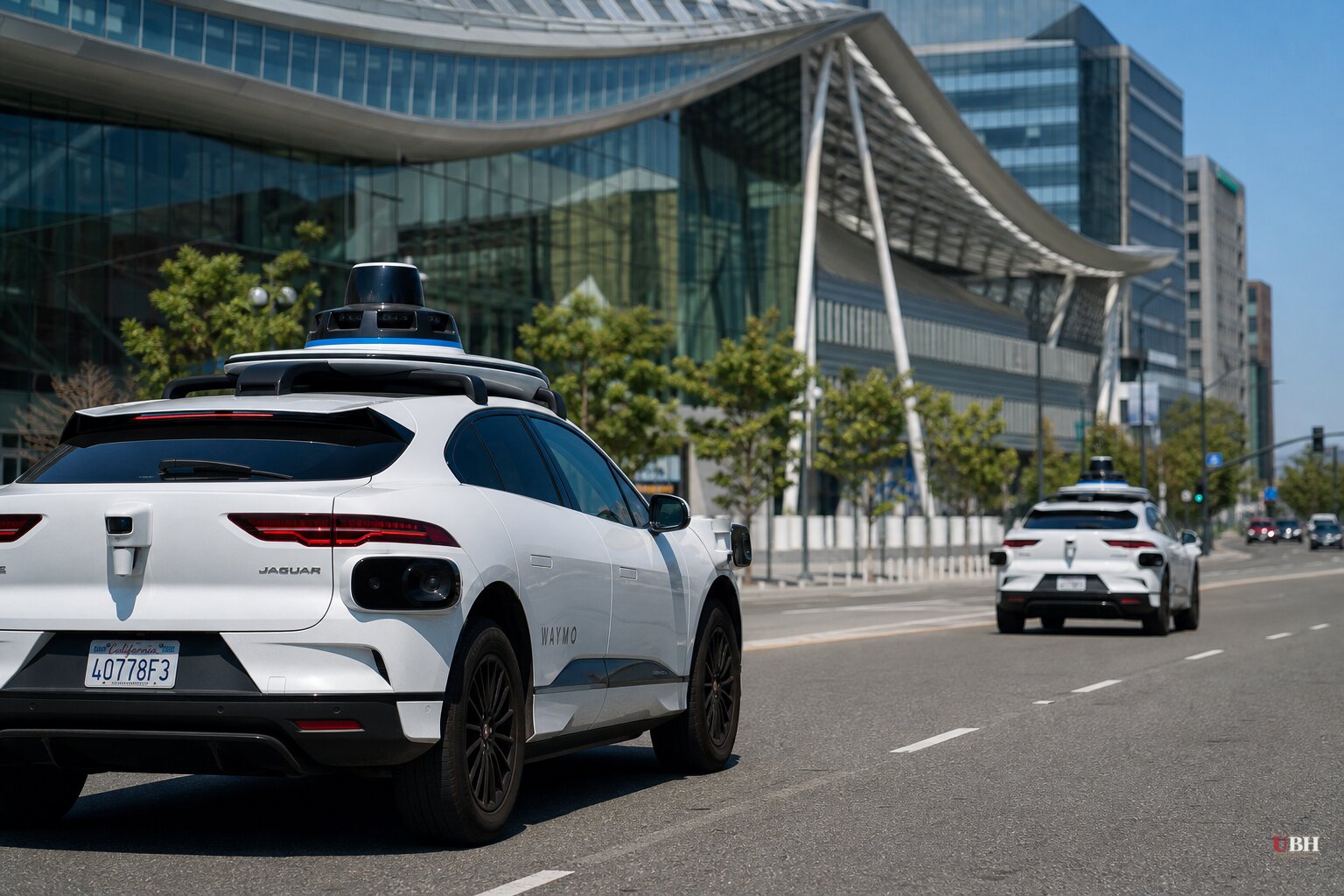
Waymo has spent a day expanding its robotaxi map, launching paid service in Denver, San Diego, and Tampa on September 1. Now it's expanding something else: its balance sheet risk.
Bloomberg reported Wednesday that Waymo is in the final stages of talks to raise more than $3 billion in its first-ever debt financing. Pacific Investment Management Co. (PIMCO), Blackstone Inc., and Sixth Street Partners are the lenders, with Goldman Sachs Group advising the deal, according to people with knowledge of the transaction who spoke to Bloomberg on condition of anonymity because the details are private. Multiple outlets, including Crypto Briefing, KuCoin, and TTNews, republished the same Bloomberg reporting without adding new sourcing.
Here's the number that matters: the debt will be unrated and could price at more than 500 basis points over the benchmark rate. That's a premium usually reserved for companies with real financial stress, not a firm Alphabet valued at $126 billion just seven months ago.
Why Go Unrated
Up until now, Waymo has funded its growth entirely through equity. In February 2026, it raised $16 billion in a round that set that $126 billion post-money valuation. Choosing unrated private debt this time is a deliberate move. Rated debt means credit agencies poking through your books and disclosure requirements Waymo apparently isn't ready for. Unrated debt from PIMCO, Blackstone, and Sixth Street gets the cash faster and with fewer strings, but the company pays for that privilege with the premium rate.
PIMCO, Blackstone, and Sixth Street aren't venture funds chasing a moonshot. They're some of the biggest private credit shops on the planet, and their willingness to underwrite this deal signals they've studied Waymo's cash flows closely enough to take the bet, even at a steep discount rate. That's a credible signal. It's also not a guarantee.
The Fiscal Reality
Waymo is running negative EBITDA. It's burning cash while expanding a fleet that has now crossed 4,000 vehicles across 14 U.S. cities, delivering more than 500,000 paid rides per week, according to Bloomberg and Investing.com's reporting via Yahoo Finance. The company's stated goal is 1 million weekly paid rides across 20 cities globally by year-end, which would double current volume in a matter of months.
That's an aggressive target for a company that just agreed to borrow money at junk-bond-style pricing. The math is simple: if Waymo can't show real progress toward positive unit economics before this debt matures, the 500-plus basis point spread turns from expensive into dangerous. A reasonable skeptic would point out that no amount of institutional lender confidence changes the fact that Waymo is paying a premium rate specifically because its cash flow picture isn't yet strong enough to earn an investment-grade rating. That's what the pricing itself says.
On the other side, Waymo's defenders can point to real, provable operating momentum: fourteen cities live, a custom chip announced in August 2026 aimed at cutting compute costs, and a template that Uber Technologies followed in 2016, when it borrowed $1.15 billion before eventually going public three years later, per Bloomberg's reporting via TTNews. Uber turned into a repeat debt issuer after that first deal. Waymo may be following the same on-ramp toward a future IPO or at least a more diversified capital stack.
What The Coverage Leaves Out
The Economic Times folded this story into a broader Wall Street wrap-up on September 2, noting the S&P 500 closed up 0.46% and the Dow gained 299 points amid inflation and Iran-related jitters. That framing buries the actual financial significance of Waymo's move inside daily market noise. A private-credit signal about how skittish institutional lenders are on unprofitable AI-and-transportation bets right now matters more.
Meanwhile, separate reporting from The Epoch Times on Waymo's California expansion, citing UC Berkeley's Scott Moura, notes the company has pulled back highway operations over safety concerns on bridges and high-speed corridors. That's an operational caution flag distinct from the financing story, but it underscores the same theme: Waymo is scaling fast on two fronts, geography and capital structure, and both come with real limits.
Goldman Sachs and Waymo are reportedly targeting a close within days, according to Bloomberg, though terms could still shift. Whether PIMCO, Blackstone, and Sixth Street end up looking prescient or overexposed depends entirely on whether Waymo's ride volume growth outpaces its cash burn before that debt comes due.
Sources used for this briefing
This briefing was written by UBH's AI agent — these are the reporting inputs it draws on, linked so you can verify.


