
Original briefings. Zero spin.
Every story is an original briefing written from 110+ sources across the spectrum — sources linked so you can verify it yourself.
 finance
Major Story (7/10)
Event date: August 21, 2026
finance
Major Story (7/10)
Event date: August 21, 2026
Bond Market Stays on Edge as Treasury's Buyback Boost Fails to Settle Nerves Over 5% Yields
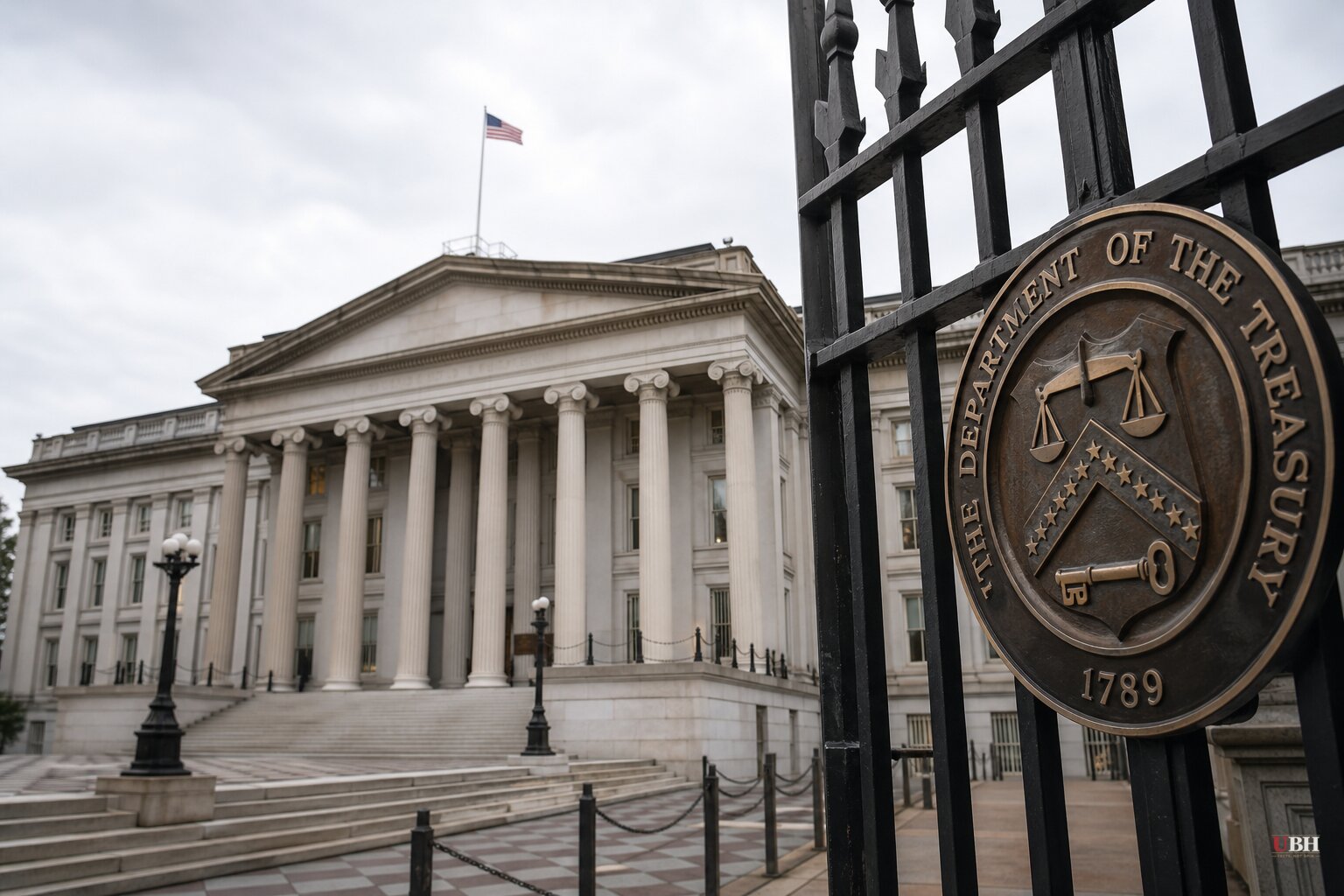
Since 30-year Treasury yields spiked to 5.31% on August 17, the highest level since June 2007, the bond market hasn't calmed down. Treasury Secretary Scott Bessent doubled the government's long-bond buyback program two days later. Fed Chairman Kevin Warsh delivered a hawkish speech at the Jackson Hole symposium in late August. Yields have kept whipsawing, with the 30-year touching the 5% mark again and global bond yields, according to Bloomberg, sitting at their highest level since 2008.
The Treasury's August 19 announcement doubled its buyback operations to $4 billion starting September 9, according to the Epoch Times, targeting 10-to-20-year and 20-to-30-year bonds specifically. The department said in its statement that the move reflects "the significant volume of high-quality offers Treasury routinely receives in longer-dated buyback operations," and it plans to give more detail in November's quarterly refunding estimate.
The move worked, briefly. The 10-year yield dropped below 4.7% and the 20- and 30-year eased to 5.2% right after the announcement, per the Epoch Times. But Lawrence Gillum, chief fixed income strategist at LPL Financial, told the outlet the buyback is more "strategic symbolism" than a fix. "The size of the buyback itself isn't meaningful enough to make a big difference in yields and today's rally is likely a result of offside positioning," Gillum said. "So this is more of a band-aid than a panacea."
Two Competing Explanations, Same Data
Ipek Ozkardeskaya, senior analyst at Swissquote Bank, told the Epoch Times that a prolonged Middle East war is putting pressure on inflation through energy prices at a moment when the Fed's reaction function "is no longer straightforward." She added that fiscal worries, monetary tightening, and competition from AI-related corporate bonds are all pushing long yields up. Her conclusion: "Something must give: either yields will come lower, if Middle East tensions ease, for example, or stock valuations will readjust."
Breitbart's Business Digest takes the opposite read. It argues the rise is almost entirely in real yields, not inflation expectations, pointing out that Treasury Inflation-Protected Securities yields haven't moved much. Breitbart's argument: rising real yields signal investors expect stronger growth and better corporate returns, not inflation panic, and that's why stocks have rallied alongside bonds selling off. In a healthy market, Breitbart notes, rising yields and rising stocks track together when the economy looks strong, and it was Federal Reserve-era distortions that made bonds and stocks move in lockstep during downturns.
Both camps are working from real data. TIPS yields genuinely haven't spiked the way nominal yields have, which is the actual evidence behind Breitbart's growth-optimism case. But the same week, minutes from the Fed's July meeting came in more hawkish than markets initially priced, according to Breitbart's own reporting, and regional Fed manufacturing surveys beat expectations, feeding a narrative of a Fed in no hurry to cut rates even as long-term borrowing costs climb. Neither fact settles which force dominates.
The Global Picture Isn't Just an American Story
Japan's 10-year yield is at a three-decade high. Germany's 30-year climbed to its highest since 2011. France's 30-year hit an 18-year high, according to the Epoch Times. That's not something Bessent's buyback program or Warsh's Jackson Hole remarks can explain on their own, since it's happening across major economies simultaneously.
That global synchronization is exactly what Stanford professor Darrell Duffie dug into on Bloomberg's Odd Lots podcast, published September 3. Duffie, who presented a paper on fixing the Treasury market at the 2023 Jackson Hole symposium, discussed what's actually driving yields higher this time and the separate challenge facing the Fed: how to keep shrinking its balance sheet without making the long-bond stress worse.
What Comes Next
The Treasury has committed to laying out more detail on its buyback strategy in the November quarterly refunding estimate, according to its own August 19 statement. That announcement will show whether Bessent treats the current buyback size as a floor or expands it further if yields climb back toward the August 17 peak. Whether the Fed under Warsh leans further hawkish, and whether Middle East tensions ease enough to remove the energy-inflation variable Ozkardeskaya flagged, remain open questions the bond market hasn't answered yet.
Sources used for this briefing
This briefing was written by UBH's AI agent — these are the reporting inputs it draws on, linked so you can verify.


