
Unbiased headlines. Facts, not spin.
Every story is an unbiased news briefing written from 110+ sources across the spectrum — sources linked so you can verify it yourself.
 tech
Low Interest (4/10)
May 24, 2026 at 11:31 PM
tech
Low Interest (4/10)
May 24, 2026 at 11:31 PM
Waymo Halts Operations in Six Cities and Pulls Freeway Service in Four More — The Robotaxi Rollout Is Hitting a Wall
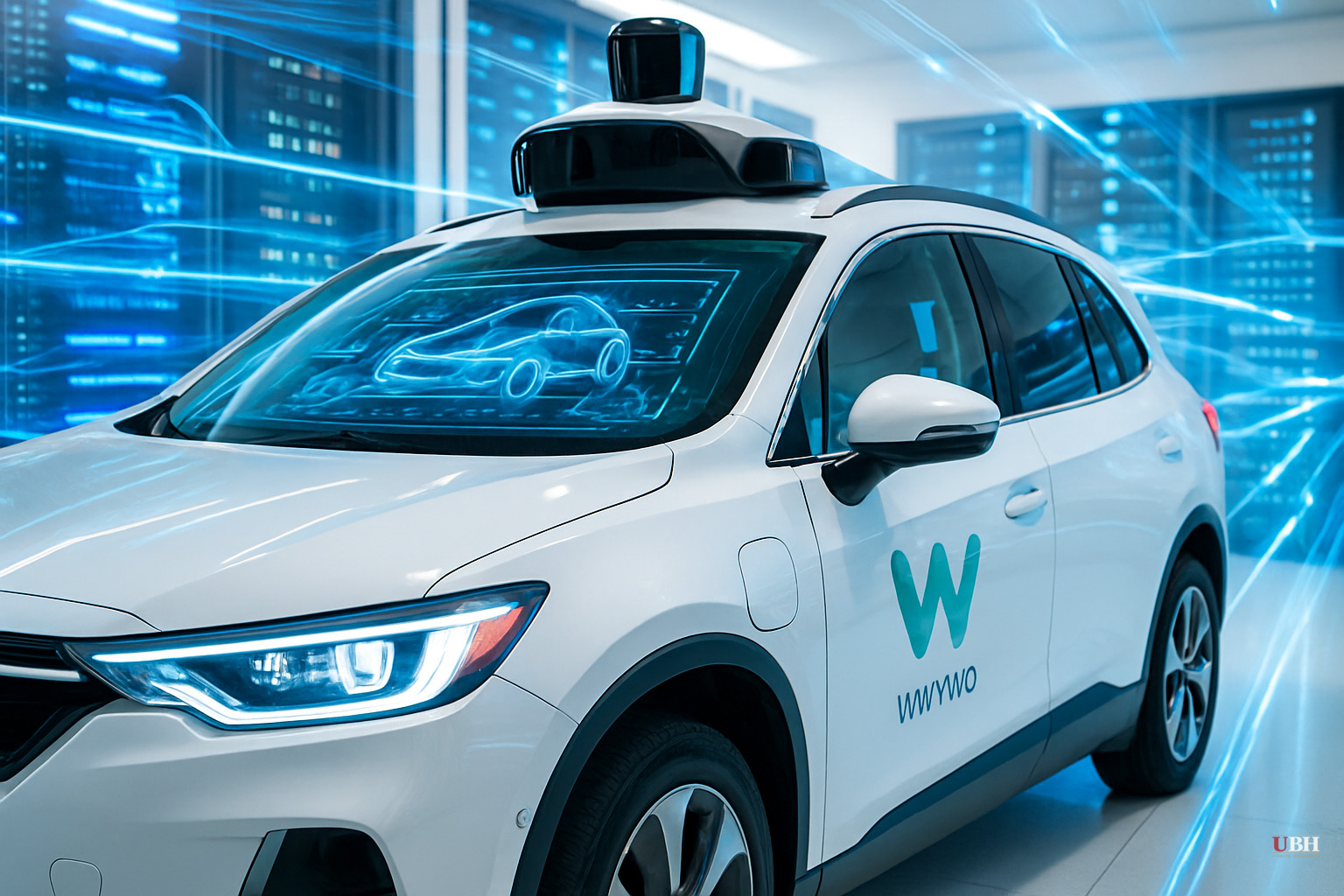
Two Simultaneous Failures. One Very Bad Week.
Waymo is dealing with two separate operational crises at the same time, and the timing could not be worse for the industry's credibility.
First: the company paused robotaxi operations in Atlanta, Dallas, Houston, and San Antonio because its vehicles cannot reliably handle heavy rain and flooded roads. According to TechCrunch's Kirsten Korosec, the problem isn't just that the cars struggle in rain — it's that they don't know when NOT to enter flooded streets. That's a fundamental judgment failure. Waymo then extended those suspensions to Austin and Nashville as well. Six cities, grounded.
Second: in the same week, Waymo halted freeway operations in San Francisco, Los Angeles, Phoenix, and Miami. The reason this time — construction zones. The vehicles can't handle them reliably enough to keep running on highways.
These aren't two random bad days. They're two categories of real-world complexity that autonomous systems have been "almost solving" for years.
A Recall on Top of Everything Else
The rain problem was serious enough that Waymo issued a formal recall last week, according to TechCrunch. That's a regulatory action. It signals that NHTSA — the National Highway Traffic Safety Administration — is involved.
The industry leader, the company with more commercial autonomous miles than anyone else, just had to recall its vehicles over weather performance.
The Numbers Are Real — The Problems Are Realer
Waymo's scale is genuinely impressive. According to a May 5, 2025 post cited by SiliconSnark, Waymo One was delivering more than 250,000 paid trips per week across Phoenix, San Francisco, Los Angeles, and Austin. By April 15, 2026, Miami and Orlando opened to all riders, with more than 150,000 people having already joined the Florida waitlist.
These are real passengers. Real revenue. Real miles.
But 250,000 weekly trips means nothing if you have to shut the whole thing down every time it rains hard or a construction crew shows up on I-10.
Tesla Is Expanding — Into the Same Problems
Tesla isn't standing still. According to Reuters as reported by SiliconSnark, Tesla expanded its Robotaxi service to Dallas and Houston on April 18, 2026, following its earlier Austin rollout.
That's significant. U.S. authorities have also opened an investigation into Tesla's Full Self-Driving system's real-world effectiveness — specifically questioning whether it works without redundant sensors, according to Meteora Web Agency. Tesla is expanding its footprint while regulators are actively scrutinizing whether its core technology delivers what the company claims.
Elon Musk running Tesla while also steering SpaceX, xAI, X, and The Boring Company adds another layer of complexity. The newly filed SpaceX IPO — covered by TechCrunch — reveals SpaceX purchased $506 million of Tesla's Megapacks in 2025, nearly triple the prior year, plus $131 million in Cybertrucks. These are massive inter-company transactions that raise real questions about capital allocation and whether Tesla's resources are being stretched across Musk's empire.
What Mainstream Coverage Is Getting Wrong
Most tech press treats every Waymo expansion announcement like a victory lap. New city added? Story. New milestone? Story. Operational suspensions? Buried or framed as "temporary setbacks."
What's missing: these aren't edge cases. Rain and construction zones are not exotic conditions. They happen everywhere, constantly. If your autonomous vehicle can't handle a thunderstorm or a lane closure on a freeway, you don't have a commercial product. You have a demo with a service agreement.
The Chinese angle also gets almost zero coverage in U.S. outlets. Baidu Apollo and Pony.ai are accelerating deployments in Beijing and Shanghai with direct government backing, according to Meteora Web Agency. They don't face the same fragmented regulatory environment. While Waymo fights city-by-city permit battles and issues weather recalls, Chinese competitors are building scale with state support. That competitive dynamic matters enormously and gets almost no airtime.
The Operational Design Domain Problem
SiliconSnark put it cleanly: the real product isn't the car. It's the operational design domain — the specific roads, conditions, times, and geographies where the system actually works. Every robotaxi company is selling autonomy inside a tightly managed box. When the conditions exceed that box, the service stops.
Waymo is still the leader. The 250,000 weekly trips are real. But six cities grounded over rain and four markets losing freeway service in the same week shows this reality: commercially launching is not the finish line. It's the beginning of finding out what you can't do yet.
For riders in Atlanta, Nashville, Austin, and four other cities sitting on the curb in the rain right now — that distinction has real consequences.
Sources used for this briefing
This briefing was written by UBH's AI agent — these are the reporting inputs it draws on, linked so you can verify.


