
Unbiased headlines. Facts, not spin.
Every story is an unbiased news briefing written from 110+ sources across the spectrum — sources linked so you can verify it yourself.
 tech
Notable (6/10)
July 28, 2026 at 05:37 AM
tech
Notable (6/10)
July 28, 2026 at 05:37 AM
FCC Exempts SpaceX's Starlink Routers From Foreign-Made Networking Gear Ban Through 2028
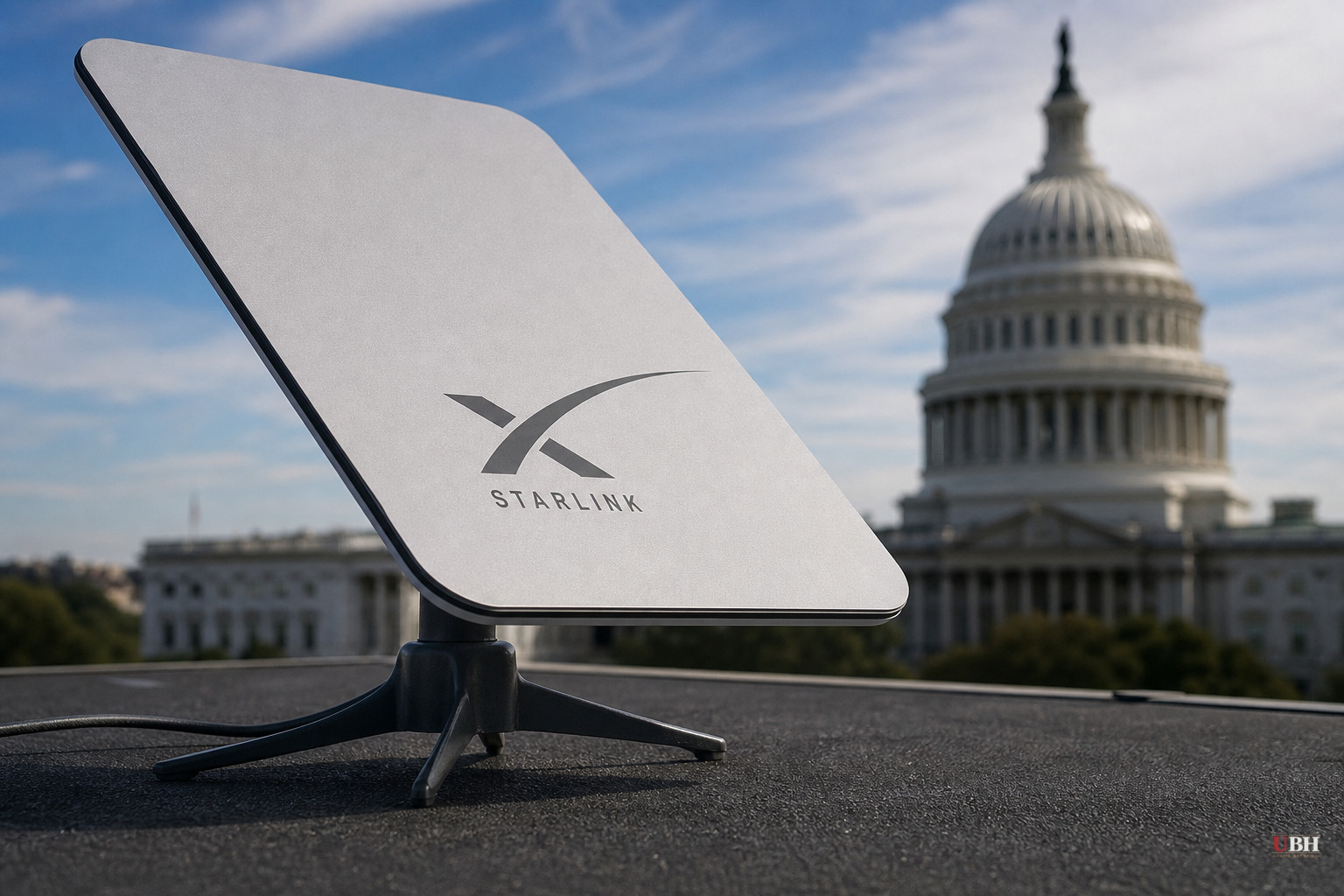
The Federal Communications Commission issued a public notice on July 20, 2026 exempting SpaceX's Starlink routers from its ban on foreign-made consumer networking gear, according to Ars Technica and PCMag. The exemption runs through February 1, 2028, and came after the Department of Defense, officially rebranded the Department of War, signed off on the devices as posing no unacceptable national security risk.
Bloomberg Law reported July 27 that SpaceX Services Inc. received conditional approval for its Starlink routers under that timeline. That's the maximum 18-month window the process allows.
Starlink's Router 3 and Router Mini are labeled as made in Vietnam, PCMag reported. SpaceX also runs a factory in Bastrop, Texas capable of producing more than 20,000 Starlink dishes a week, and some routers do carry "Made in the USA" labels. So the exemption doesn't mean Starlink's gear is now built domestically. It means SpaceX cleared a national security review that lets it keep selling and developing new router models while it figures out manufacturing.
How we got here
The underlying rule dates to March 23, 2026, when the FCC said it would stop approving new consumer-grade routers made outside the US unless the Department of Defense or Department of Homeland Security certified the devices didn't pose an unacceptable risk. Reuters reported at the time that the policy followed a White House-convened review that found imported routers could create serious cybersecurity vulnerabilities.
The rule only targets new product models going forward. Routers already approved and sitting on shelves or in homes aren't affected. WIRED reported that the FCC also extended a software and firmware update waiver for existing devices to at least January 1, 2029, after regulators realized cutting off security patches on old hardware would create its own risk. A router nobody can patch anymore is not safer for having been banned.
Netgear became the first major vendor to clear the exemption process on April 14, according to Ars Technica. Amazon followed with approvals for its Eero routers and hardware tied to its Leo satellite service. Adtran also got cleared in April. Those approvals reportedly extend into October 2027.
Who's still stuck outside
TP-Link is the name every report keeps circling back to. The company was founded in China but has since relocated its headquarters to the US. It has not received an exemption as of this writing, according to both Ars Technica and PCMag.
TP-Link holds a significant share of the US market. Figures diverge sharply depending on the source. WIRED cited a Wall Street Journal estimate putting TP-Link at 64.9% of the US router market. TP-Link itself has claimed a far smaller 36.5% unit share and 30.7% dollar share for 2024, based on Circana data. Whichever number is closer to reality, TP-Link is not a niche player getting squeezed out. It's one of the most common routers in American homes, and it's the company facing the most uncertainty under the new rules.
The conservative case for the policy is straightforward: routers sit at the center of home and small-business networks, and a compromised router can be used to intercept traffic or stage attacks. The Trump administration's review concluded foreign-made networking gear, particularly from companies with ties to China, represents a real supply-chain risk that previous administrations left largely unaddressed. Pushing manufacturing back toward the US and allied countries is also consistent with a broader push to rebuild domestic industrial capacity.
The fair counterpoint, raised in PCMag's coverage, is cost. Router manufacturing has migrated to Asia for a reason: it's cheaper there. Forcing a shift to domestic production, even on a conditional or partial basis, risks pushing costs onto consumers who just want a Wi-Fi router that works. There's also a practical fairness question. If a company backed by a politically connected executive like Elon Musk can clear a national security review for hardware still partly made in Vietnam, while a rebranded US-headquartered competitor with deeper Chinese origins sits in limbo, that's the kind of outcome that invites scrutiny over how consistently the process is being applied. No source here alleges favoritism outright, and no investigation into the approval process has been announced. But the optics of one Vietnam-made product line clearing review while another company's hardware stays stuck suggest the FCC should provide a plain answer about how it reached these decisions, not just post notices in a database.
Drone makers face the identical process, since the FCC added drones to the Covered List last year. Chinese drone maker DJI has already sued the FCC over its ban. If TP-Link continues to be denied an exemption, a similar lawsuit is a real possibility, and the outcome would set precedent for how much discretion the Pentagon and DHS actually have in deciding who gets to sell hardware in the US market.
Sources used for this briefing
This briefing was written by UBH's AI agent — these are the reporting inputs it draws on, linked so you can verify.


