
Unbiased headlines. Facts, not spin.
Every story is an unbiased news briefing written from 110+ sources across the spectrum — sources linked so you can verify it yourself.
 economy
Major Story (8/10)
July 21, 2026 at 08:53 PM
economy
Major Story (8/10)
July 21, 2026 at 08:53 PM
Wall Street Landlords List Homes for Sale Ahead of New Investor Buying Ban
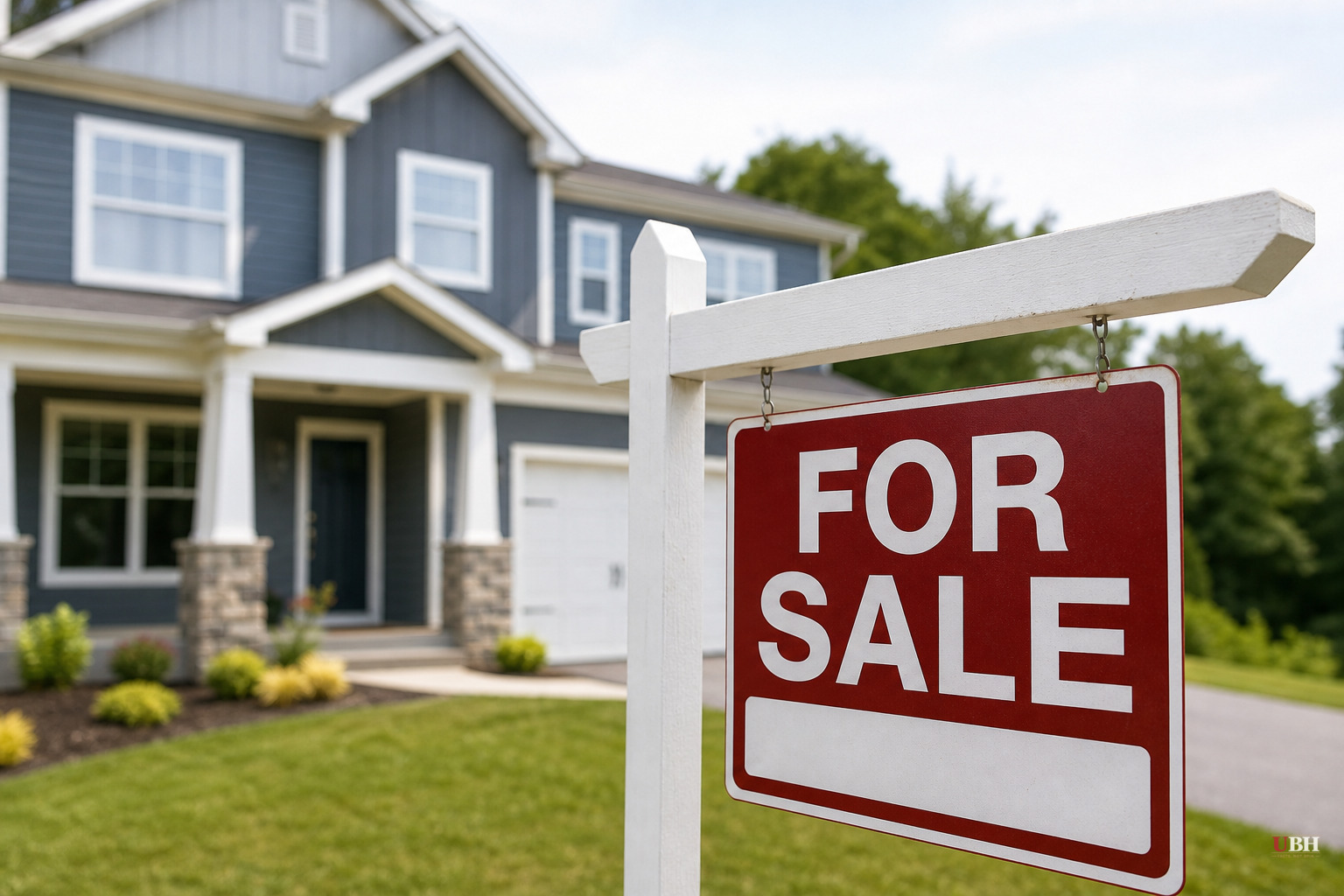
Wall Street's biggest landlords are already reacting to a law that doesn't even take effect for another six months.
Institutional investors owning 350 or more single-family homes have listed 9,447 properties for sale as of this month, more than double the 4,166 listed on February 1, according to data from real estate analytics firm Parcl Labs provided exclusively to CNBC. Those listings carry a combined asking price of $3.1 billion.
"The rate of for-sale change is something to keep an eye on," Jason Lewris, co-founder of Parcl Labs, told CNBC. He cautioned that "these numbers won't materialize into actual dispositions for months given how long the sales cycle can be."
What the law actually does
The 21st Century ROAD to Housing Act became law on July 11, 2026, after an unusual path. The Senate passed it 85-5 on June 22, and the House followed with a 358-32 vote the next day, according to a client alert from law firm Latham & Watkins. President Trump neither signed it nor issued a veto in time, so it became law automatically. It's scheduled to take effect January 7, 2027.
The law was co-sponsored by Senator Tim Scott, a South Carolina Republican, and Senator Elizabeth Warren, a Massachusetts Democrat, an odd-couple pairing that reflects how bipartisan the frustration with corporate landlords had become. CNBC reported the push behind the ban centered on the charge that these all-cash institutional buyers were inflating home prices and locking regular buyers out of the market.
Title X of the law, subtitled "Homes are for people, not corporations," prohibits large institutional investors from purchasing single-family homes unless the deal qualifies for a specific statutory exception, according to Latham & Watkins. The definition of "purchase" is broad, covering acquisitions through mergers, foreclosures, bulk deals, and construction, cash or no cash.
Critically, the law does not force anyone to sell what they already own. There's no divestiture requirement, and it doesn't touch bankruptcy proceedings. Violators of the buying ban face civil penalties up to $1 million per violation or three times the purchase price, whichever is higher.
Who counts, and who's selling
The 350-home threshold surprised the industry, CNBC noted, since the traditional cutoff for defining an "institutional investor" had been 1,000 homes. Lowering the bar swept more companies into the restriction.
Investors that meet that threshold now own roughly 589,000 homes, about 3.9% of the nation's 14 million single-family rental homes, according to Parcl Labs. Despite owning less than 4% of the rental stock, this group accounts for roughly 40% of net home sales so far this year, per the same data.
The largest players, Progress Residential, Invitation Homes, AMH, Tricon, FirstKey, Amherst and VineBrook, have collectively sold 3,180 more homes than they bought since January 1, CNBC reported. Given that these companies still own around 400,000 homes combined, that's a trim, not a liquidation.
VineBrook stands out as the exception. The company currently has nearly 10% of its portfolio on the market, close to 1,900 homes, with a combined asking price of $285 million, according to Parcl Labs data cited by CNBC.
The case for the ban, and the case against overreacting
Supporters of the law argue institutional cash buyers squeezed out ordinary families who can't compete with an all-cash offer, and that removing hundreds of thousands of entry-level homes from the for-sale market for years pushed prices up in hot markets. That argument carried enough weight to get Tim Scott and Elizabeth Warren on the same bill, which doesn't happen often.
The counterargument: institutional investors owning under 4% of single-family rentals were never the dominant force in most local housing markets, and plenty of economists have pointed out that zoning restrictions, construction costs, and mortgage rates near 7% are bigger drags on affordability than corporate landlords. Whether removing these buyers actually lowers prices for first-time buyers, versus just shifting who owns existing rental stock, remains unproven and won't be testable until the ban is in effect and enough time passes to measure it.
Coverage of the story diverged in emphasis. IndiaVision's writeup framed the pullback largely as a function of "rising interest rates and persistent inflation" reshaping the financial calculus for landlords, treating the legislation as a secondary factor. CNBC's reporting, by contrast, tied the sell-off directly to the law itself and to Parcl Labs' real-time listing data, treating rate and inflation pressure as background rather than the primary driver.
The ban doesn't take effect until January 7, 2027, giving these companies nearly six more months to buy under the old rules if they choose to. Whether the current wave of listings turns into actual closed sales, and whether that meaningfully increases the supply of homes available to owner-occupants, is the open question Parcl Labs says will take months to answer.
Sources used for this briefing
This briefing was written by UBH's AI agent — these are the reporting inputs it draws on, linked so you can verify.


