
Unbiased headlines. Facts, not spin.
Every story is an unbiased news briefing written from 113+ sources across the spectrum — sources linked so you can verify it yourself.
 finance
Major Story (7/10)
September 23, 2026 at 01:23 PM
finance
Major Story (7/10)
September 23, 2026 at 01:23 PM
Wall Street Earnings Outlook Turns Negative for First Time in 23 Weeks, Citigroup Data Shows
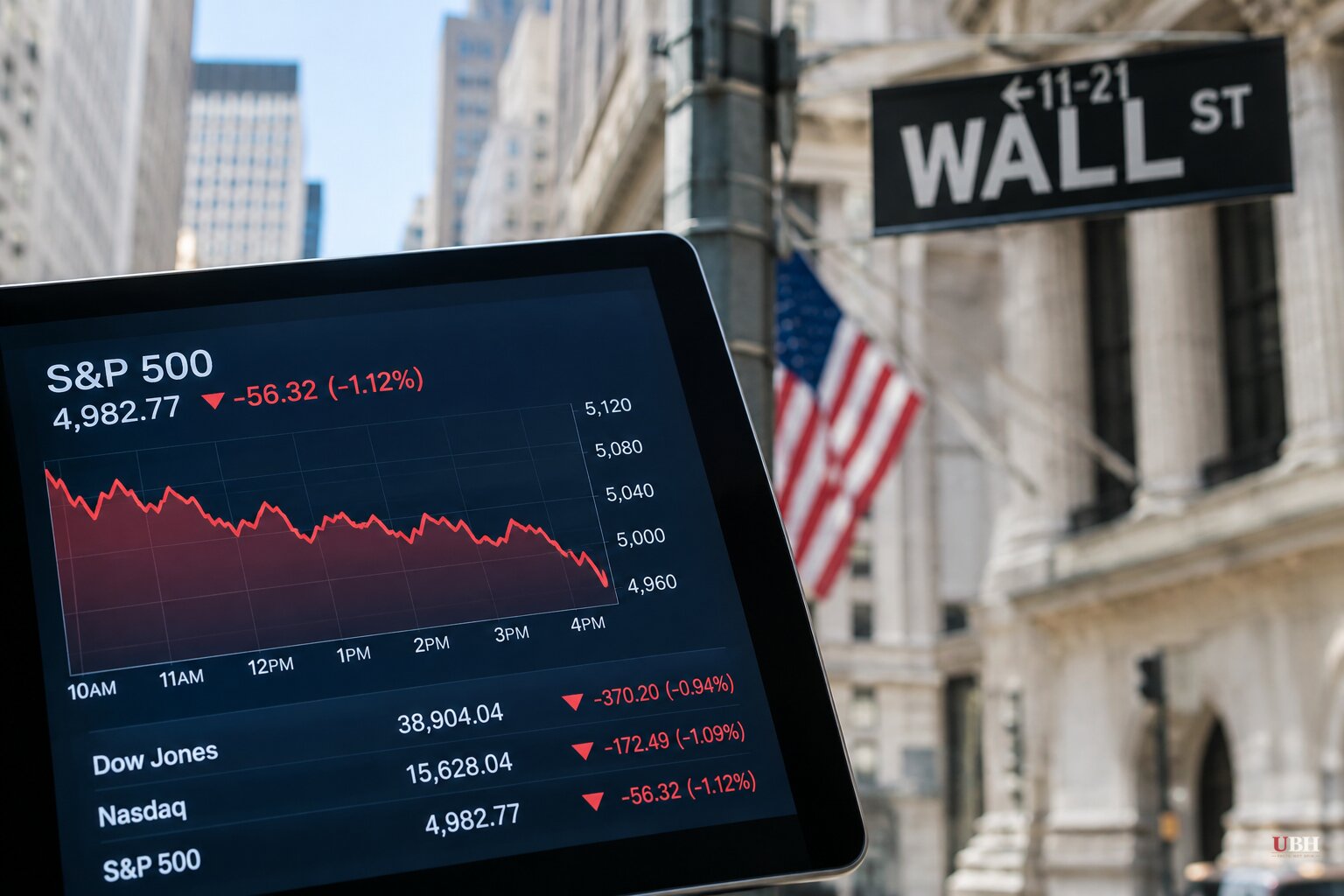
Wall Street's earnings optimism just cracked for the first time in nearly six months.
An index from Citigroup that tracks analyst sentiment shows downgrades of US corporate earnings estimates outnumbered upgrades for the first time in 23 weeks, according to Citigroup data reported by Crypto Briefing, Phemex, and PA News. That ends the longest streak of net positive earnings revisions since September 2021.
The timing lines up with the Federal Reserve's decision earlier this month to raise interest rates for the first time since 2023. Morningstar reports the rate-setting committee unanimously approved a quarter-point hike, lifting the federal-funds rate to a target range of 3.75% to 4.00%, and that officials largely agreed one more hike would likely be needed before the end of 2026.
Where the pain is concentrated
The downgrades aren't spread evenly across the market. Crypto Briefing reports the sharpest concern is showing up in consumer staples, consumer discretionary, materials, and financials, sectors most exposed to the double squeeze of higher borrowing costs and stretched household budgets.
When prices rise and rates climb, households cut discretionary spending first. Financial firms get hit from both sides, paying more to fund their own books while worrying that borrowers start falling behind.
Adding to the pressure, the OECD has flagged that global inflation in 2027 will likely run hotter than prior forecasts, according to Crypto Briefing, a projection that raises the odds central banks keep leaning on rates rather than easing off.
Morgan Stanley's 7% warning
Morgan Stanley strategist Michael Wilson warned this week that the S&P 500 could fall as much as 7% if valuations keep weakening, particularly if energy prices push inflation high enough to force additional Fed tightening, according to PA News and Phemex.
Wilson's own framing ties the downside to two things happening together: further valuation compression and an energy-driven inflation spike. Neither is a certainty yet.
The case for not panicking
Crypto Briefing's own reporting includes the counterweight to this story: the consensus view for full-year 2026 US earnings growth remains broadly constructive, and analysts still expect what the outlet describes as a strong overall year for corporate profits. The negative revision balance reflects caution at the margins rather than a wholesale collapse of the bull case.
A single week of net-negative revisions after 23 straight weeks of positive ones is a shift, not a crash. Earnings estimate cycles move in both directions constantly, and one data point doesn't confirm a trend.
A real-world example: NVR
MarketBeat's tracking of homebuilder NVR shows exactly the kind of margin pressure analysts are flagging. Zacks Research cut its Q4 2026 EPS estimate for NVR to $108.23 per share, down from $112.20, and maintains a "Strong Sell" rating on the stock. NVR's most recent quarterly revenue came in at $2.34 billion, down 10.5% year-over-year, per MarketBeat.
Other analysts are split. Bank of America has a "buy" rating with a $7,200 price target, while UBS Group rates it "neutral" at $7,400. MarketBeat's consensus lands at "Hold" with an average target of $7,160, against NVR's most recent closing price of $6,357.14. Regular trading has not yet opened today, so this reflects the stock's last completed session rather than any print from today's market. The spread between bullish and bearish analysts on one stock captures the broader market mood: nobody's calling a crash, but the confidence that defined the last five months is gone.
Private equity feels it too
The rate hike is already showing up in private equity, where PitchBook analyst Kyle Walters called the move "directionally negative for PE exit activity," per Morningstar, though not damaging on its own. The bigger risk, Walters said, is whether this is a one-off hike or the start of a series, since most leveraged buyout debt is floating-rate and higher rates directly hit the balance sheets buyers are evaluating.
The numbers already reflect a strained exit market. US private equity exit value fell to $102.6 billion in the second quarter, down 46.3% from the prior quarter, according to PitchBook data cited by Morningstar. Middle-market exits totaled just $24.7 billion, the lowest quarterly figure since the second quarter of 2020. The median hold period for US PE assets hit 4.5 years, the longest in roughly two decades. CohnReznick's Jeremy Swan told Morningstar that as deals get more expensive, exits get harder, and investors need to prepare for a shift in both pricing and exit strategy.
The question now is whether the Fed follows through on the additional 2026 hike officials signaled, and whether next quarter's Citigroup revision data shows this was a one-week blip or the start of a longer downgrade cycle.
Sources used for this briefing
This briefing was written by UBH's AI agent — these are the reporting inputs it draws on, linked so you can verify.


