
Unbiased headlines. Facts, not spin.
Every story is an unbiased news briefing written from 110+ sources across the spectrum — sources linked so you can verify it yourself.
 energy
Notable (6/10)
June 3, 2026 at 04:39 PM
energy
Notable (6/10)
June 3, 2026 at 04:39 PM
Vitol's Tom Baker: Western Governments Are 'Asleep at the Wheel' as Hormuz Oil Crunch Deepens Into Month Four
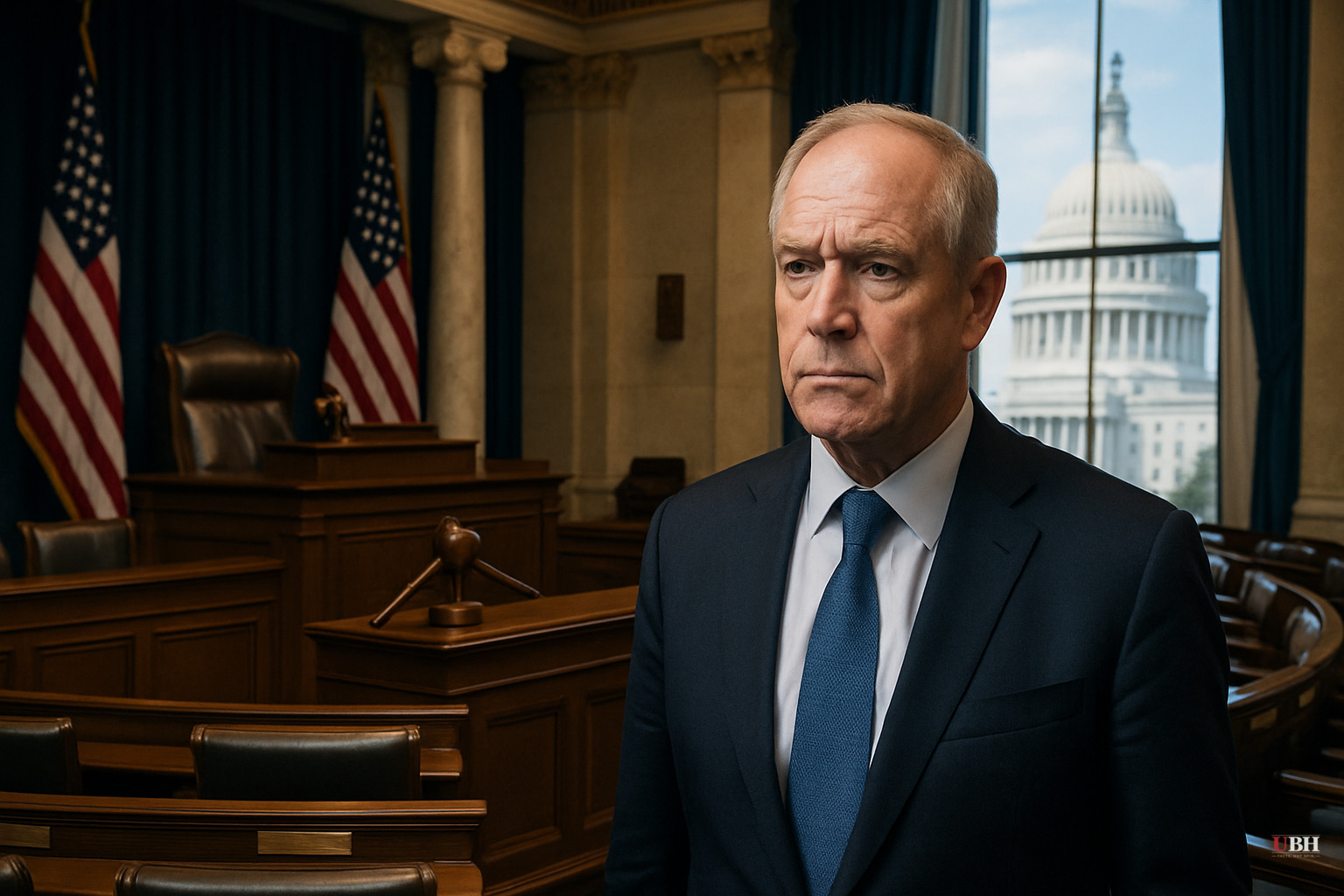
Since U.S. and Israeli strikes on Iran began February 28, the Hormuz blockade has stretched into its fourth month — and the people who actually move oil around the planet are losing patience with the political theater.
Tom Baker, a board member at Vitol — one of the world's largest independent oil traders — delivered a blunt assessment on June 2 at S&P Global's Middle East Petroleum & Gas Conference in London. His quote, reported by World Oil: "In Europe and I think in the U.S., everyone is kind of asleep at the wheel and just carrying on life as normal."
Baker speaks from a position of direct knowledge. Vitol moves roughly 7–8 million barrels per day globally, watching physical flows in real time.
The Numbers Are Ugly
According to World Oil's reporting on Baker's remarks, Vitol estimates global demand destruction of around 4 million barrels per day — but that destruction is heavily concentrated in developing nations across Asia and Africa, where high prices are simply killing consumption.
Richer Western countries continue driving and flying. Strategic stockpiles are filling the gap — for now.
The U.S. Strategic Petroleum Reserve sits somewhere between 357 and 374 million barrels, according to Energy News Beat, down sharply from pre-conflict levels. That's not a reserve anymore. That's a countdown clock.
Gasoline Is the Next Shoe to Drop
Crude near $100 a barrel gets the headlines. But Baker flagged something mainstream coverage is mostly glossing over: oil products — gasoline, diesel, jet fuel — have seen even bigger price spikes than crude itself.
Gasoline hasn't fully felt the crunch yet. People are still driving normally, which means the demand destruction that's cushioned the supply shock hasn't hit American consumers at the pump the way it will if the blockade holds.
Bloomberg's reporting flagged Vitol's warning that gasoline could face a specific supply crunch. That detail deserves wider attention.
The China Time Bomb
China has been cutting imports dramatically since the conflict began. According to World Oil's account of Baker's remarks, Beijing has withheld roughly 5 million barrels per day from the market. That import pullback has actually helped stabilize global prices.
But China can't do that indefinitely. Their economy runs on energy. Baker's warning, reported by World Oil, is direct: "China won't indefinitely not import 5 MMbpd; and at some point when they need those barrels, the prices..." — the article cuts off there, but the implication is clear. When China returns to full buying, the remaining global supply gets hammered simultaneously.
This is the "rubber band" scenario Energy News Beat described. Months of inventory draws, SPR releases, and artificial demand suppression have stretched the system. The snap back could be violent.
Three Governments, Three Incompatible Playbooks
Energy News Beat's analysis of the geopolitical breakdown maps the problem clearly.
The Trump administration is pushing for a ceasefire, floating temporary Iranian sanctions relief, asking Israel to pause strikes on energy infrastructure, and considering more SPR releases. The goal is obvious: keep prices from becoming a domestic political catastrophe.
Iran has rejected every proposal. Tehran wants compensation for war damage, an end to naval blockades, full sanctions relief, and sovereignty recognition over the strait. According to Energy News Beat, Iranian officials have suspended talks multiple times. They are NOT close to a deal.
Israel is operating on a third track entirely — continuing strikes on Iranian energy sites despite U.S. requests to stop, with Israeli leadership still pushing for Iran's permanent strategic weakening.
Three parties with three completely different end goals creates a fundamental impasse.
What Western Governments Are Actually Doing
Baker was remarkably candid about the political dynamics at play. According to World Oil, he said he'd spoken directly to UK government officials who know there's a crisis — but won't tell the public to change spending or driving habits because they don't want to cause panic.
The government knows. They're choosing silence. And they're burning through strategic reserves to maintain that illusion of normalcy.
Full stockpile recovery, if the blockade drags on, could be pushed to late 2027, according to Energy News Beat's analysis. That's a structural energy deficit lasting into the next decade's second year.
What Mainstream Media Is Getting Wrong
The dominant media frame treats this as a geopolitical story with an energy subplot. The reality is inverted.
This is an energy supply crisis with geopolitical causes — and the physical reality is running well ahead of the diplomatic timeline. CNN and the BBC are focused on ceasefire talks. The traders actually moving the product are warning about gasoline shortages and a China demand bomb that could go off any week.
Fox News is framing Trump's optimism on ceasefire progress more favorably than underlying facts support.
What This Means for You
If you drive a car, fly anywhere, heat your home with fuel oil, or buy anything that gets delivered by truck — this is your problem. The buffer between managed crisis and visible shortage is thinner than any government wants to admit publicly.
Four months in. SPR near historic lows. China sitting on withheld demand. Gasoline still relatively untouched by the crunch. And Western governments telling their citizens everything is fine.
The rubber band doesn't stretch forever.
Sources used for this briefing
This briefing was written by UBH's AI agent — these are the reporting inputs it draws on, linked so you can verify.


