
Original briefings. Zero spin.
Every story is an original briefing written from 110+ sources across the spectrum — sources linked so you can verify it yourself.
 economy
Major Story (7/10)
Event date: August 27, 2026
economy
Major Story (7/10)
Event date: August 27, 2026
Visa and Mastercard Process First International Card Payments in Syria After US Terror Delisting
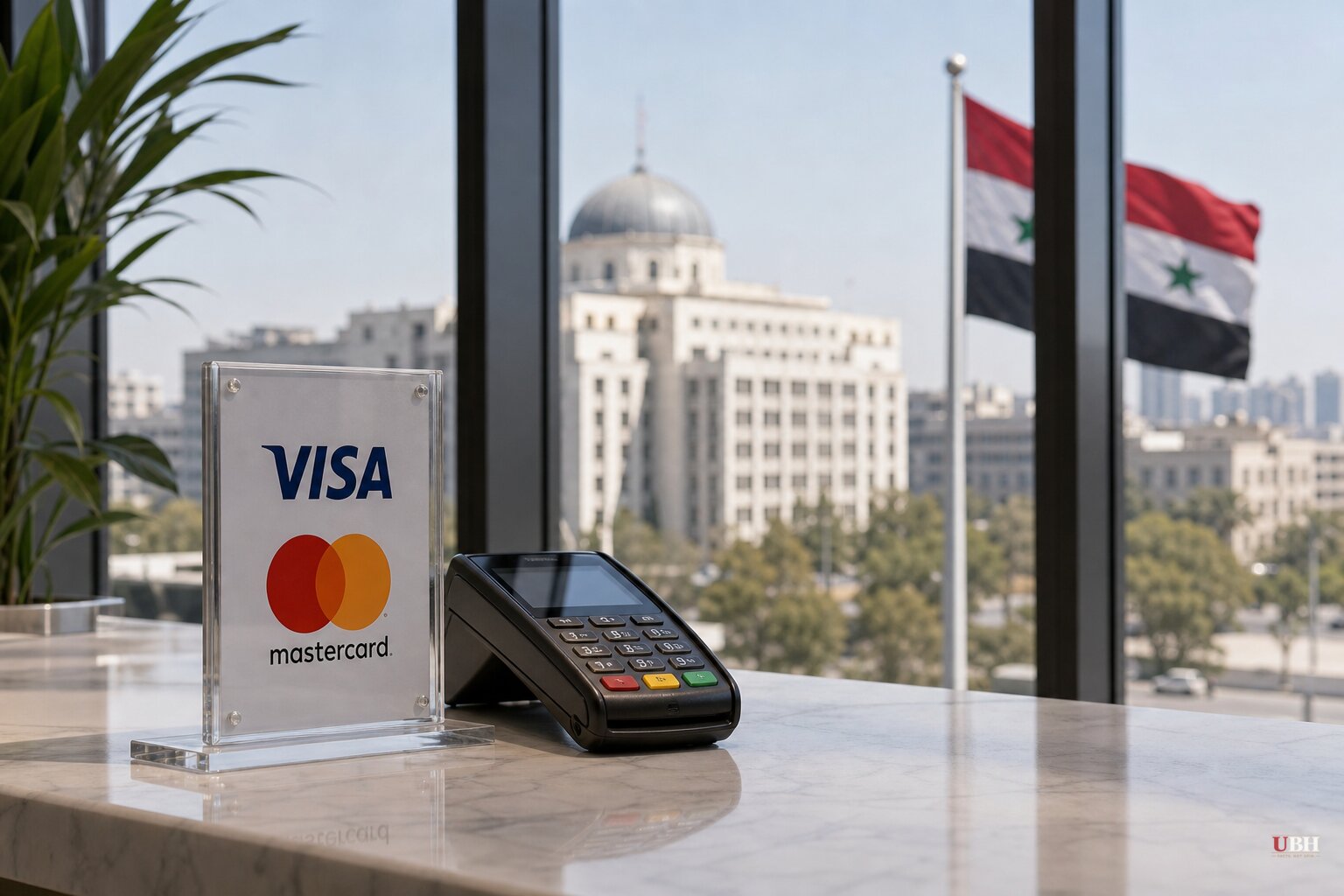
Since the U.S. formally removed Syria from its state sponsors of terrorism list on August 24, Visa and Mastercard have processed the country's first international card payments in more than 15 years, and Syrian officials are already framing it as proof the country is rejoining the global economy.
Secretary of State Marco Rubio signed off on the rescission Monday, August 24, after a mandatory 45-day congressional notification period that President Trump triggered in July, according to Fox News. Rubio also delisted Hay'at Tahrir al-Sham, the militia that current President Ahmed al-Sharaa led to power, as a Specially Designated Global Terrorist organization.
Syria had been on the terror sponsor list since 1979, back when Hafez al-Assad's regime was arming Hezbollah and cozying up to Iran. His son Bashar kept the designation alive for decades until HTS rebels toppled him in December 2024, sending Assad fleeing to Russia.
The Card Swipe Heard Around Damascus
Two days after the delisting, on Wednesday August 26, Qatar's QNB Group partnered with Mastercard to process what the bank called the world's first end-to-end international card payment in Syria, according to Reuters. Visa ran a parallel test the same day with Lebanon's Fransabank as the acquiring institution and Syrian payments firm Paymera, which is linked to the country's sovereign wealth fund.
Sharaa himself took part, paying for coffee at a Damascus cafe with a Visa card alongside Central Bank Governor Mohammed Safwat Raslan, who posted video of the moment on X, according to The Straits Times. "It is a feeling which is hard to put into words," Raslan said, calling it "a new beginning in which we carry great hope, and responsibility too."
Syria's state-run rapid response social media page, which only started operating on American platforms this week now that the terrorism label is gone, noted it had been over 15 years since a Visa card was used in the country, Breitbart reported.
Mastercard's West Arabia president Adam Jones called the transaction "an important milestone in the evolution of Syria's payments ecosystem." Visa's regional group manager Leila Serhan said the company has spent months laying groundwork "within applicable legal, regulatory and compliance requirements."
What Actually Changed
The terrorism designation wasn't the only sanction on Syria, but it was the one banks feared most. Washington ended its broad Syria Sanctions Program back in December 2024 and formalized that with Trump's June 2025 executive order, according to Fox News. Targeted sanctions still apply to Assad-era officials, human rights abusers, drug traffickers, and ISIS or al-Qaeda affiliates.
But the state sponsor of terrorism label carried its own legal exposure for any bank doing business in Syria, regardless of what other sanctions had been lifted. Syrian Foreign Minister Asaad al-Shibani told Reuters that lifting it removed "the last obstacle" to investment. "There is no longer any obstacle to investment, doing business and rebuilding economic life in Syria," he said.
The rollout is still limited. Syria's central bank said technical preparation had been underway for months before the delisting, and QNB said it will add merchants gradually, "subject to regulatory approvals."
Ahmed al-Sharaa is a former al-Qaeda-affiliated fighter who went by Abu Mohammed al-Jolani before rebranding in a suit. Breitbart's coverage leaned hard into that history, calling him Syria's "jihadi president" in its headline. That's a fair thing to flag, not a smear. A reasonable skeptic can ask whether the U.S. is moving too fast to plug a former extremist's government into Visa's and Mastercard's global rails, especially with an earlier alcohol ban in Damascus this year already raising questions about Sharaa's actual governing instincts.
The Trump administration's counterargument, laid out by Rubio, is that Sharaa's government joined the Global Coalition to Defeat ISIS in November and has since run operations against ISIS, al-Qaeda, Hezbollah, and Iran-aligned networks inside Syria. Trump himself has publicly backed Sharaa since their first meeting in Saudi Arabia in May 2025, calling him a young guy with a real shot at pulling the country together. Targeted sanctions on Assad-era abusers and terror-linked individuals remain in force, which is the administration's answer to concerns that delisting created a blanket amnesty.
None of the outlets covering this reported any dissent inside Congress or from allied governments over the delisting itself, and no new investigation or sanctions violation has been alleged against Sharaa's government since it took power. Whether Syria's central bank can build the compliance infrastructure to keep terror financing and money laundering out of a newly reconnected payment system is the question that will actually determine whether this rebuild works, not the ceremony of a coffee purchase in Damascus.
Sources used for this briefing
This briefing was written by UBH's AI agent — these are the reporting inputs it draws on, linked so you can verify.


