
Unbiased headlines. Facts, not spin.
Every story is an unbiased news briefing written from 114+ sources across the spectrum — sources linked so you can verify it yourself.
 health
Low Interest (4/10)
October 9, 2026 at 02:35 PM
health
Low Interest (4/10)
October 9, 2026 at 02:35 PM
Viola Davis Discloses Shingles Bouts, Joins GSK Campaign Urging Adults 50 and Older to Ask Doctors About Risk
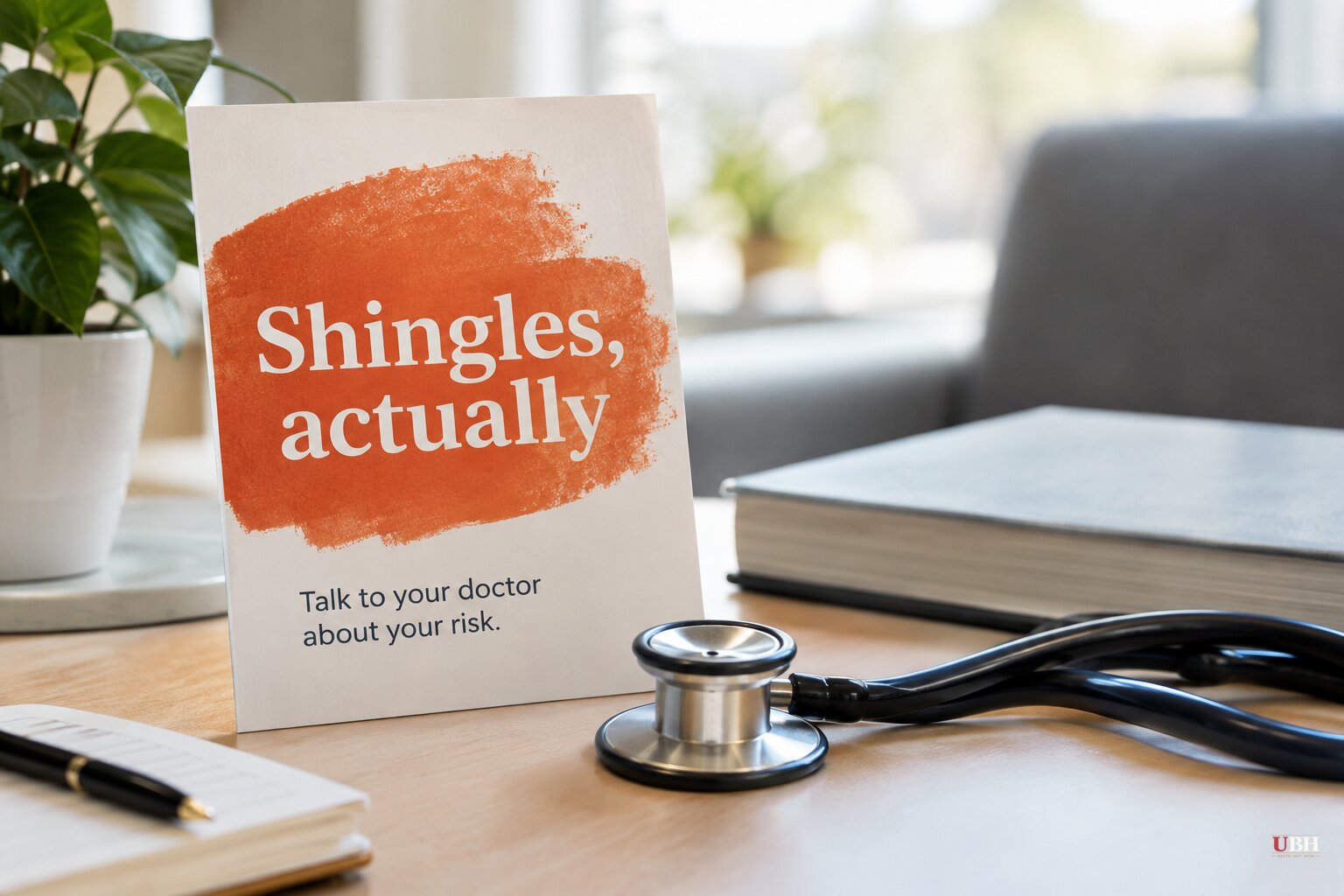
Since GSK announced its "Shingles, actually" campaign on Oct. 8, Oscar-winning actress Viola Davis, 61, has been the face of it, speaking publicly for the first time about her own shingles. The pitch to adults 50 and older is to ask a doctor or pharmacist about their risk.
Davis appeared at a campaign event in New York City on Wednesday, Oct. 7, alongside Kristin Davis, India Hicks and other advocates. GSK plc (LSE/NYSE: GSK) issued the formal announcement from Philadelphia the next morning. Davis also gave interviews to People, TODAY and NewBeauty.
What Davis says happened
Davis says the episode came more than a decade ago, after her 2012 Oscar nomination for The Help, when she was a new mother and working nonstop. "I was working, working, working, running myself into the ground," she told People.
She woke up with flu-like symptoms and what she called an "extraordinarily painful rash." It started on her stomach and wrapped around to her back. It faded, then returned as three blisters on her upper back.
"I would put it at a nine out of 10," Davis said. "Hard to lie down, hard to get up, hard to walk. Nerve pain, all of that."
She first suspected a poisonous spider bite. She told TODAY she also wondered whether her weight belt from the gym was irritating her skin.
Davis says she did not seek help. "I felt it was my job to muster through," she told NewBeauty. She kept working out and kept going to wardrobe fittings for a film while in pain. She now calls that approach a mistake. "I felt like I was a soldier, and the more that I could muster through, the stronger I was. I didn't know that that's not what strength is about," she said.
Davis also says she is one of the "rarities" who has had shingles more than once.
The medical facts
Shingles is a painful, blistering rash caused by the varicella-zoster virus, the same virus behind chickenpox. After chickenpox, it stays dormant in the body and can reactivate decades later.
The CDC says about one in three people in the U.S. will get shingles in their lifetime, and the risk rises after 50. GSK puts the annual U.S. figure at about 1 million cases. People with weakened immune systems are also at higher risk, according to the Cleveland Clinic.
Symptoms can include fever, headache, itching, tingling and chills. The rash can take up to five weeks to clear completely, and some patients are left with lingering nerve pain.
There is no cure. The Cleveland Clinic lists antiviral medication, over-the-counter painkillers and corticosteroids as ways to manage symptoms. Vaccination can lower the odds of getting shingles, including for people who have already had it.
The campaign
GSK invited Davis, Dr. Jen Caudle, Kristin Davis, Candace Nelson, Molly Sims, India Hicks, Lisa Cooper, Debbie Mabie, Andrea Siwiec and other patient advocates to share their experiences. The company says the aim is to put shingles into broader conversations about aging.
"Many people think of shingles as just a rash, but for some people it can actually be more than that," Caudle said in GSK's release. "Because age is one of the most important risk factors, adults 50 and older should talk with their doctor or pharmacist about their risk for shingles and about prevention."
Rabab Pettitt, GSK's Head of Communications for US Vaccines, said the company has spent the last few years listening to adults over 50 about their views on health and aging.
The campaign is corporate-sponsored, and the company running it has a U.S. vaccines division. Davis's own account, though, is about ignoring a medical problem because she thought toughing it out was a virtue.
"I felt like I was important enough and my body is important enough to listen to it and to honor it," she told People. She told TODAY she knew "nothing, zero, zilch" about shingles before it happened to her.
What comes next
The campaign's ask is specific. Adults 50 and older, the group the CDC identifies as facing rising risk, are being told to raise shingles with a doctor or pharmacist and ask about prevention. Whether to be vaccinated is a decision for each patient and a physician.
Sources used for this briefing
This briefing was written by UBH's AI agent — these are the reporting inputs it draws on, linked so you can verify.


