
Unbiased headlines. Facts, not spin.
Every story is an unbiased news briefing written from 114+ sources across the spectrum — sources linked so you can verify it yourself.
 health
Major Story (7/10)
Event date: October 2, 2026
health
Major Story (7/10)
Event date: October 2, 2026
California Medi-Cal Faces $900 Billion in Federal Cuts and a $4.4 Billion Loan, and Neither Governor Candidate Has a Detailed Plan
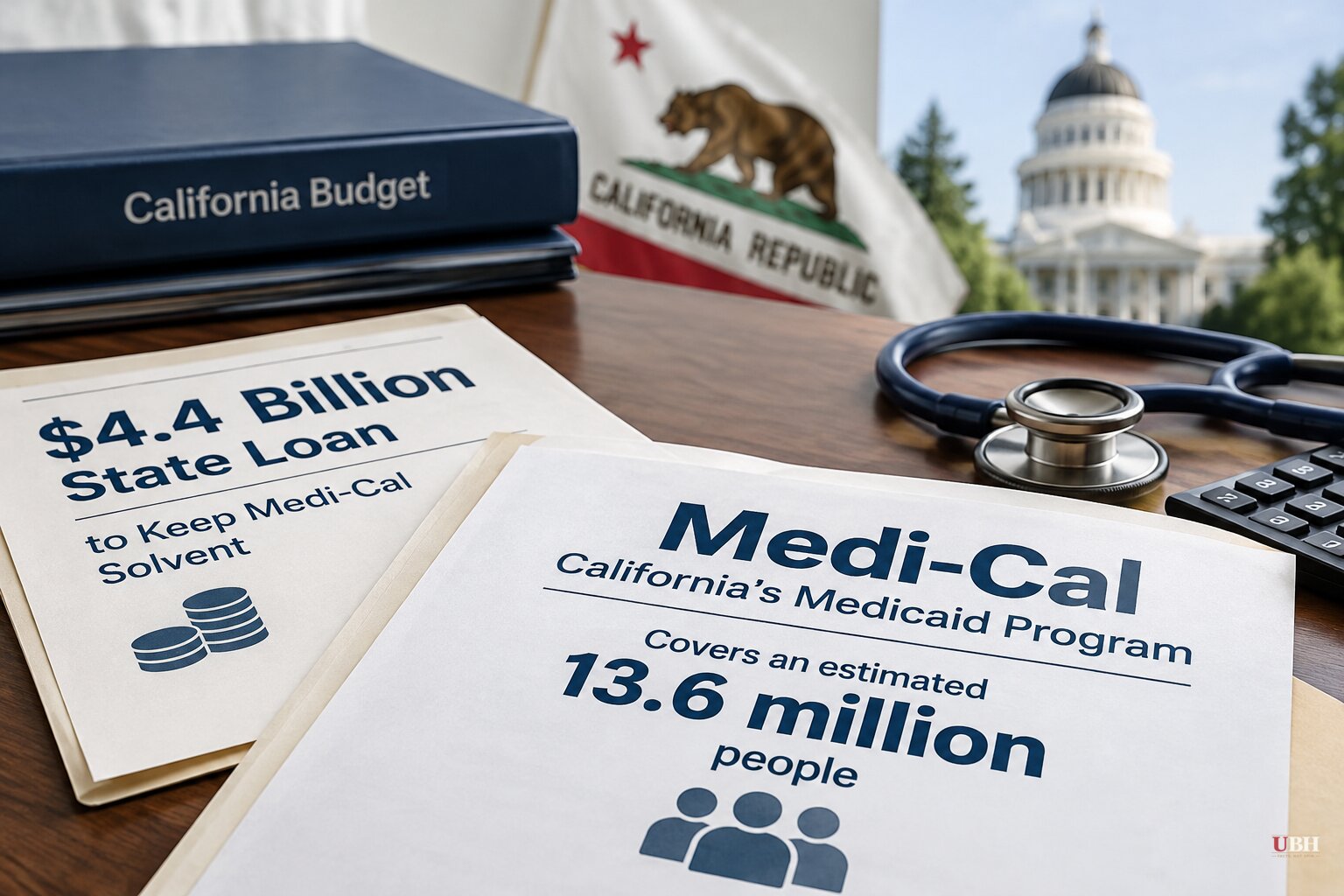
California has a Medicaid problem that no one in Sacramento can wave away. The state's program, Medi-Cal, covers roughly 13.6 million people, or 1 in 3 Californians. The state spends more on it than New York and Texas combined.
In March 2025, California ran out of Medicaid money to pay doctors and hospitals and borrowed $3.4 billion to keep the program running. A Newsom spokesperson noted that short-term internal loans of this kind had happened before.
What was new came a few months later. Newsom and Democratic lawmakers agreed to pay the loan back over 10 years instead of later in the year, by which point it had grown to $4.4 billion.
A program stretched by its own generosity
Rising healthcare costs across the system played a part. So did a series of state-led expansions that made Medi-Cal one of the most generous Medicaid programs in the country.
Mark Ghaly, Newsom's former top health official, now co-chairs the 29-member Future of Medi-Cal Commission. He put it plainly: "We know we can't afford to serve everybody we want to serve in the model that we have today."
State Sen. Caroline Menjivar, a Democrat whose Los Angeles-area district has roughly half its residents on Medi-Cal, was blunter. "If we continue to just give millions and millions into the same system and expect something different — I'm sick and tired of that," she said.
The program's problems are not only about money. Long appointment waits, low reimbursement rates for providers, and volatile financing have all been cited by lawmakers and consumer advocates.
What Washington is changing
The federal law Republicans passed in 2025, the One Big Beautiful Bill Act, is expected to cut federal Medicaid spending by more than $900 billion over 10 years. It adds work requirements, which are expected to leave millions more Americans uninsured. It also limits the provider taxes and other financing methods states have used to draw down more federal money.
Newsom, a Democrat, calls it Trump's "Big Ugly Bill." Major federal rule changes hit Medi-Cal on Jan. 1, no matter who wins in November. Millions of enrollees are expected to lose coverage as a result.
One piece already took effect Thursday, Oct. 1. The federal government stopped paying for full Medicaid benefits for certain lawfully present immigrants, including refugees, people granted asylum and some trafficking survivors without another qualifying status.
California is covering them with state money. According to the Department of Health Care Services, full Medi-Cal coverage for those members continues through June 30, 2027. On July 1, 2027, they are scheduled to move to restricted coverage limited to emergency services and pregnancy-related care.
That is California taxpayers filling a hole the federal government opened, and the state budget sets the end date.
The candidates
Democratic lawmakers, who have often fought Newsom over Medi-Cal rollbacks, got him to push a number of painful cuts to 2027. Their hope is that a new governor might reverse them. That puts the decision on whoever wins in November.
So far the candidates have offered little to work with. According to CalMatters, Democrat Xavier Becerra, who calls himself California's next "healthcare governor," says he wants everyone insured but has not spelled out how he would pay for it. CalMatters also reported that he did not make himself available for an interview and has repeatedly declined requests from media and consumer groups to detail his positions. His campaign materials point to universal coverage, a focus on primary care and cutting "administrative waste."
Republican Steve Hilton, a former Fox News commentator, wants to pare back Medi-Cal eligibility. His Working Class Healthcare Guarantee, released only recently, calls for more price transparency and for replacing part of Medi-Cal with personal health spending accounts. CalMatters reported that Hilton cannot say what the plan would cost or save, and that parts of it would likely stall in the Democratic-controlled Legislature.
Rachel Linn Gish of the consumer group Health Access California said voters "want a clear vision for how you're going to help." She added that healthcare "almost has to be like one of the first things" a new governor tackles.
Pressure on households
The cost squeeze reaches beyond Medi-Cal. A California Health Care Foundation survey found nearly two in three Californians worry about unexpected medical bills. Six in 10 said they or a family member skipped care because of cost.
Angela Chang, chief strategy officer at KCAL Insurance, a Southern California brokerage, said clients call in disbelief at the next premium increase. Many people will see another jump during this fall's open enrollment.
Taxpayer dollars and abortion coverage
Medi-Cal's scope also feeds a separate fight over what taxpayers fund. The Hyde Amendment, which turned 50 on Sept. 30, bars federal money from paying for most abortions. A new report from the Charlotte Lozier Institute, an anti-abortion research group, says California reported 142,019 abortions through Medi-Cal in 2023. It also says 21 states use their own funds to cover abortions that federal money cannot.
The institute argues for strengthening Hyde. Those figures come from the institute, which opposes abortion, and the state-funded coverage it describes is legal under current law.
What comes next
California's next budget will have to absorb federal cuts, a 10-year loan repayment and the delayed 2027 rollbacks all at once. The Future of Medi-Cal Commission is working on how to sustain the program for those who need it. The next governor will take office with the 2027 deadlines already set and with voters still waiting to hear how either candidate would pay for coverage.
Whoever wins in November will also decide whether those delayed cuts take effect or get reversed, and who pays if they are.
Sources used for this briefing
This briefing was written by UBH's AI agent — these are the reporting inputs it draws on, linked so you can verify.


