
Unbiased headlines. Facts, not spin.
Every story is an unbiased news briefing written from 110+ sources across the spectrum — sources linked so you can verify it yourself.
 energy
Notable (6/10)
August 6, 2026 at 06:41 AM
energy
Notable (6/10)
August 6, 2026 at 06:41 AM
Venezuela Oil Output Tops One Million Barrels a Day Seven Months After Maduro's Capture
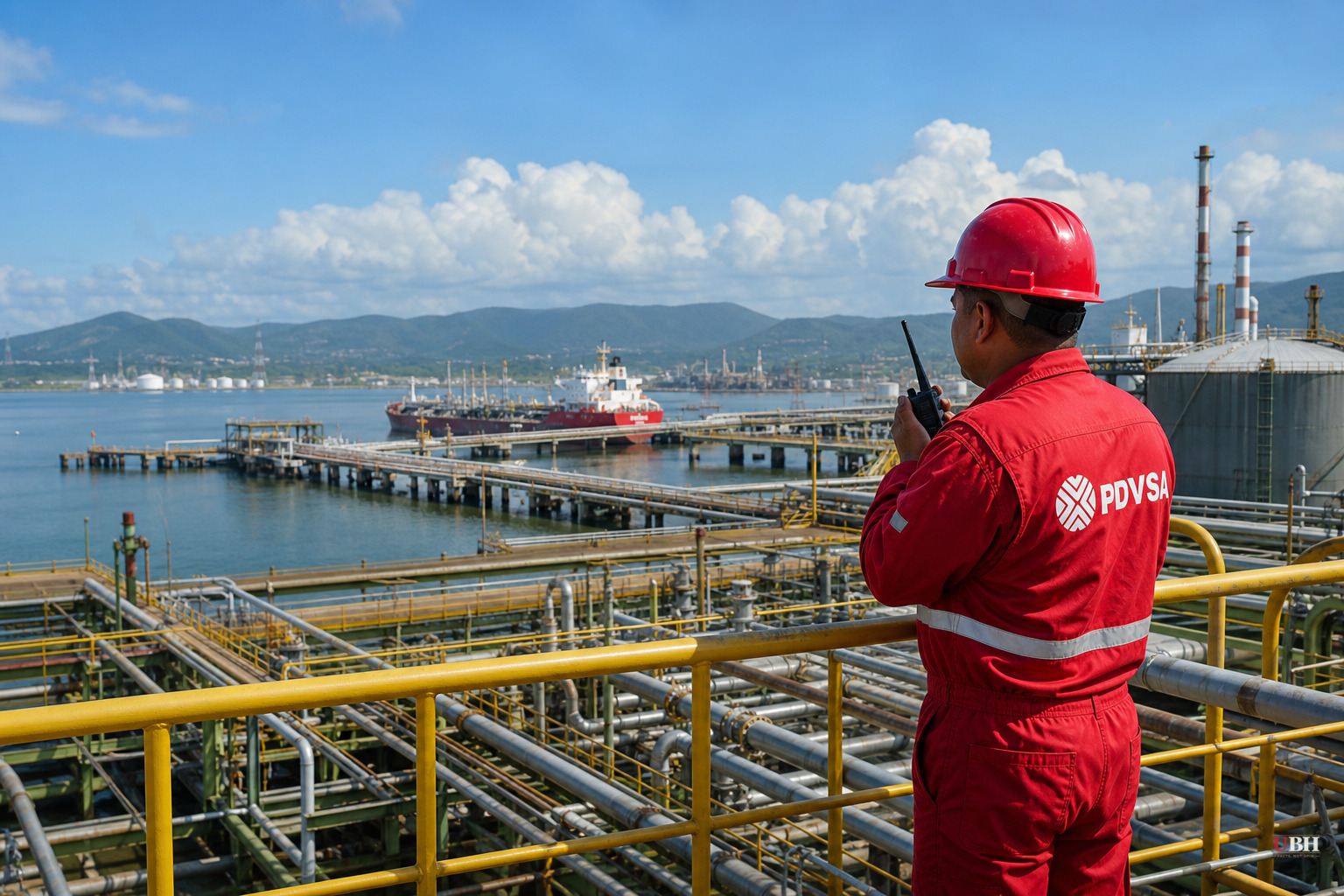
Since U.S. forces captured Nicolas Maduro in a night raid in early January 2026, Venezuela's oil sector has gone from a punchline to a genuine swing factor in global crude supply. New OPEC secondary-source data shows the country pumped just over one million barrels per day in June 2026, according to OilPrice.com. That's a 17.6% jump from June 2025.
The timing matters. Conflict in the Middle East has been disrupting traffic through the Strait of Hormuz, squeezing global petroleum supply at a moment when the world needs every barrel it can get. Venezuela's rebound, however partial, is landing right when it's most useful.
One million barrels a day sounds like a comeback until you remember Venezuela pumped 2.1 million barrels per day in June 2016, a decade earlier. The country's all-time record, set back in 1970, was 3.75 million barrels per day. Today's output is barely a quarter of that peak.
How Venezuela Got Here
The collapse wasn't sudden. It started in earnest in late 2018 when falling oil prices combined with tightening finances to gut state oil company PDVSA. Then President Trump imposed sweeping oil and financial sanctions on Caracas in early 2019, which accelerated the crash. Output kept sliding until it bottomed at 392,000 barrels per day in July 2020, as COVID hammered global demand and Venezuela's already-crumbling infrastructure fell further apart.
Getting from 392,000 back over one million barrels per day took years of grinding recovery, not a single policy change. Since Maduro's capture in January, interim leadership under Delcy Rodriguez has pushed through regulatory reforms, including changes signed into law on July 8, 2026, aimed at making Venezuela more attractive to foreign oil investment. The Trump administration has also eased sanctions, opening the door for U.S. companies to expand operations they'd been forced to scale back for years.
Chevron's Bet
Chevron is the biggest name moving. The supermajor plans to grow its Venezuelan output by up to 50% by 2028, funded out of cash flow from its existing operations rather than fresh capital injections, according to OilPrice.com. That crude is a good fit for U.S. Gulf Coast refineries, many of which were purpose-built to process heavy, sour Venezuelan grades and have struggled to source enough of that feedstock elsewhere.
Chevron's caution, funding growth from existing cash flow instead of new capital, tells you something about how the rest of the industry views Venezuela. Nobody's writing big checks yet.
The Price Tag Nobody Wants to Pay
Fixing Venezuela's oil infrastructure is expensive and slow, and estimates on just how expensive vary widely. Some industry estimates run as high as $220 billion. Francisco J. Monaldi, director of the Latin America Energy Program at Rice University's Baker Institute for Public Policy, puts the more realistic figure at around $100 billion, with at least a decade of sustained work required before production could return to historic levels above two million barrels per day.
Monaldi's view carries weight because he's spent years tracking Venezuela's energy collapse specifically, not just commenting on it from a distance. His argument is that infrastructure decay isn't the only obstacle. He argues that without a return to genuine democracy, the rule of law can't take hold, and without rule of law, major international oil companies won't commit the kind of capital Venezuela actually needs. Decades of corruption and institutional collapse don't reverse because a new regulatory law got signed in July.
That's the case for skepticism, and it's a fair one. Interim governments have promised reform before. Investors who got burned by past nationalizations, PDVSA seized foreign assets outright in years past, aren't going to forget that history because Caracas passed a new law.
The counterargument is that the numbers are already moving in the right direction, and Chevron putting real money behind expansion, even cautiously, is a signal other companies watch closely. A 17.6% year-over-year production increase isn't nothing, especially with Middle East supply disruptions making every incremental barrel more valuable on the world market.
What happens next depends on two things nobody can fully control: whether Rodriguez's government can turn July's regulatory reforms into a track record investors trust, and whether Middle East tensions around the Strait of Hormuz keep making Venezuelan heavy crude more attractive by default. Monaldi's decade-long timeline for real recovery isn't a forecast anyone can rush. The next data point worth watching is whether OPEC's secondary-source estimates show continued growth when July and August 2026 production figures come in.
Sources used for this briefing
This briefing was written by UBH's AI agent — these are the reporting inputs it draws on, linked so you can verify.


