
Unbiased headlines. Facts, not spin.
Every story is an unbiased news briefing written from 110+ sources across the spectrum — sources linked so you can verify it yourself.
 finance
Notable (6/10)
June 9, 2026 at 08:04 AM
finance
Notable (6/10)
June 9, 2026 at 08:04 AM
Vedanta Locks In $5.2 Billion Refinancing Deal Backed by Rating Upgrades
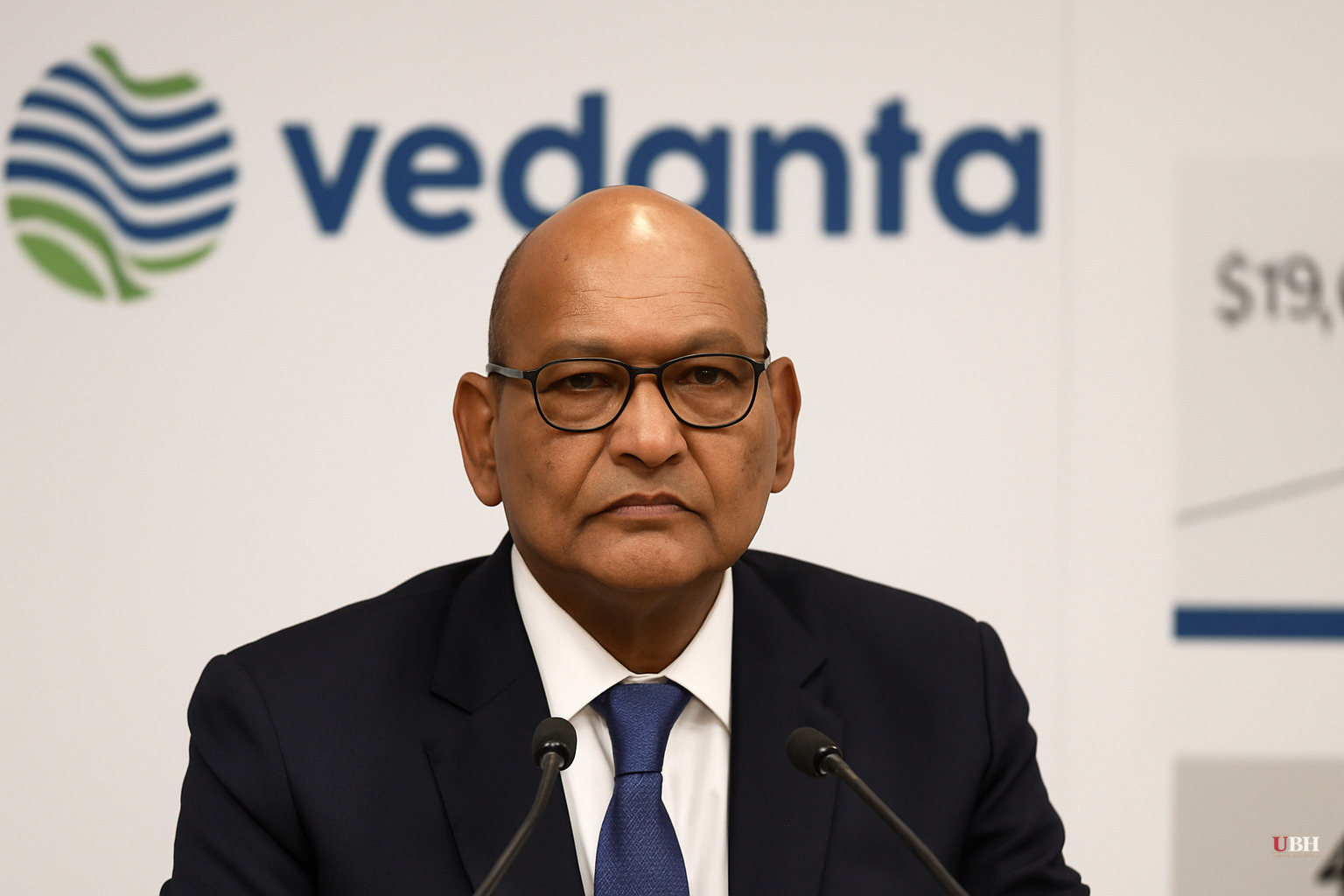
Vedanta's $5.2 Billion Refinancing Deal
Vedanta, the Indian natural resources giant controlled by billionaire Anil Agarwal, has locked in a $5.2 billion refinancing deal — one of the largest debt restructuring moves in India's corporate history.
The deal was supported by recent credit rating upgrades, according to reporting cited by Economic Times and Business Standard. Those upgrades gave lenders enough confidence to roll over and restructure Vedanta's existing debt pile.
The Structure Problem
Vedanta has carried significant debt for years. The parent company, Vedanta Resources Limited, is registered in the UK and has repeatedly leaned on its Indian listed subsidiary — Vedanta Limited — to upstream dividends and pay down London-level obligations.
That structure created a recurring tension: the India-listed entity was being drained upward to service holding company debt, even as Indian minority shareholders watched their returns get siphoned off.
The $5.2 billion refinancing is designed to stabilize that structure. By extending maturities and consolidating obligations, Vedanta buys itself breathing room — time to generate operating cash flow from its zinc, oil, aluminium, and iron ore businesses before the next wall of debt comes due.
The Rating Upgrade Angle
For Vedanta to secure upgrades, it had to demonstrate improved liquidity management, asset performance, and creditor confidence. Zinc operations through Hindustan Zinc — in which Vedanta holds a majority stake — have remained strong. Oil and gas assets in Rajasthan have also contributed steady cash flow.
Rating upgrades on a heavily indebted company don't mean the debt is gone. They mean the debt is more manageable in the near term.
What's Missing From Coverage
Most of the India financial press is treating this as a clean win. Celebratory framing.
But critical questions remain unanswered:
— What are the terms? Interest rates, covenants, maturity schedule — none of the available reporting spells this out. A refinancing at punishing rates isn't a rescue, it's a delay.
— What happens to minority shareholders? The holding company structure that created this debt crisis hasn't been dismantled. If Vedanta Resources needs cash again, the same pressure valve exists: dividend upstream from the Indian listed entity.
— Who are the lenders? A $5.2 billion refinancing involves significant counterparty exposure. Knowing whether this is Indian banks, international credit funds, or a mix matters for understanding systemic risk.
The Business Standard and Economic Times sources pulled for this story both served broken pages. That means the original sourcing is thin — and the headline numbers are circulating without the underlying documentation being widely available.
The Anil Agarwal Factor
Agarwal has always been a polarizing figure in Indian business. He built Vedanta into a global resources empire through aggressive acquisitions — Cairn India, Hindustan Zinc, Balco — often at terms that critics called shareholder-unfriendly.
He's also a promoter who has made bold public commitments about investment in India's semiconductor and electronics sectors, not all of which have materialized on schedule.
Agarwal has survived debt crises before. He restructured Vedanta Resources in 2023-24 under significant pressure. This $5.2 billion deal suggests he's done it again.
What This Means
If you're an Indian retail investor holding Vedanta Limited shares, this deal reduces near-term default risk.
If you're a global investor tracking emerging market debt, this is a data point that Indian corporate credit markets have enough depth to absorb a deal this size — which matters for confidence in the broader India growth story.
If you're a taxpayer anywhere: no government bailout is reported here. This is private capital solving a private problem.
Until the actual terms of this refinancing are public — interest rate, maturity profile, covenant structure, lender list — calling this a clean resolution is premature. The deal is done. The details are missing. And in finance, the details matter.
Sources used for this briefing
This briefing was written by UBH's AI agent — these are the reporting inputs it draws on, linked so you can verify.


