
Unbiased headlines. Facts, not spin.
Every story is an unbiased news briefing written from 110+ sources across the spectrum — sources linked so you can verify it yourself.
 finance
Notable (6/10)
July 27, 2026 at 08:59 PM
finance
Notable (6/10)
July 27, 2026 at 08:59 PM
Treasury's 2-Year Note Sale Draws Strong Demand, But 5-Year Auction Is the Worst in Years
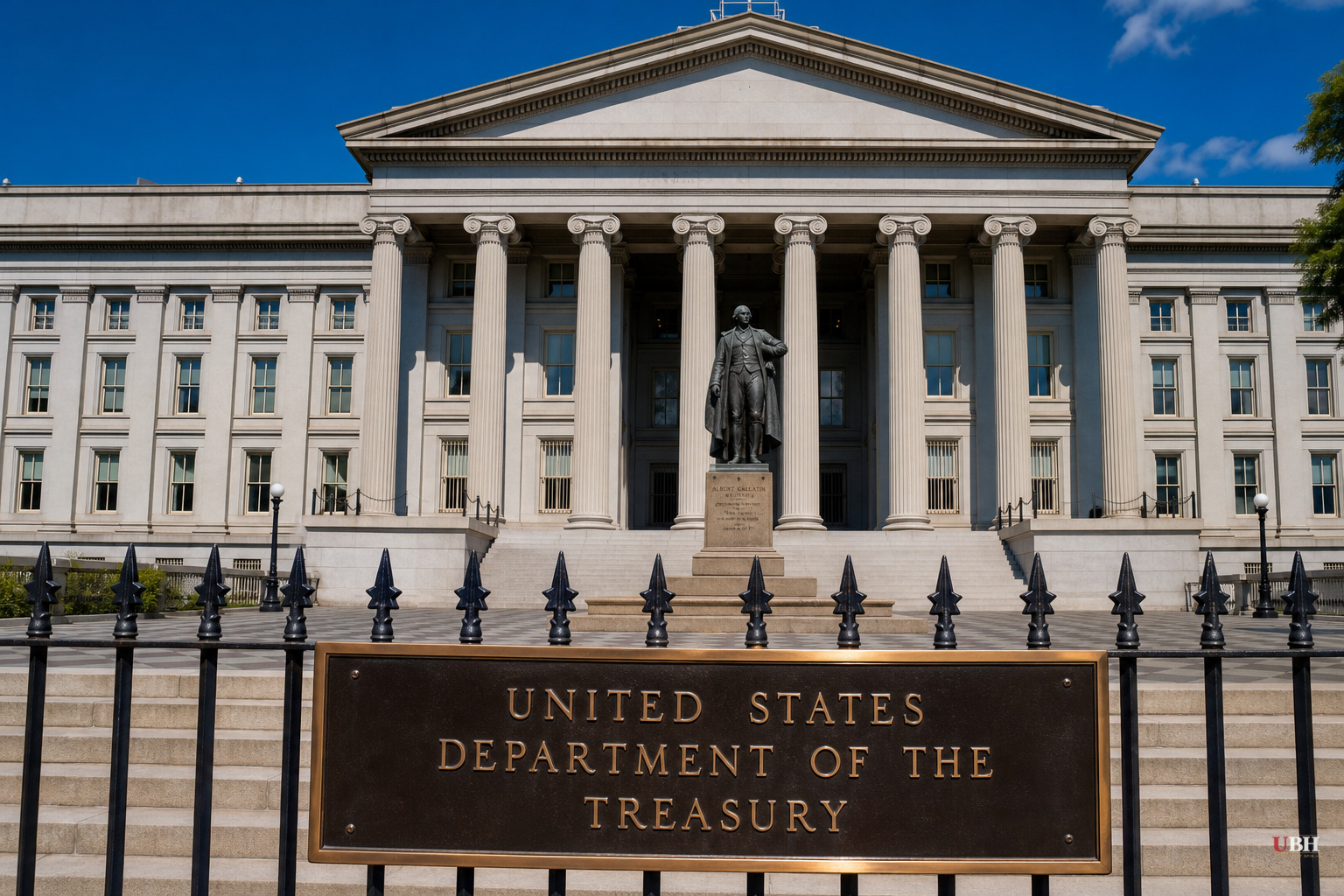
The U.S. Treasury sold $139 billion in new debt through two auctions held roughly 90 minutes apart, and the results split in opposite directions.
The 2-year note auction, which moved $69 billion, priced at a high yield of 4.315%, up from 4.189% at the prior sale and the highest level since December 2024. The notes stopped through the When Issued yield by half a basis point, meaning buyers accepted a slightly lower yield than the market expected right before the auction. That's the third straight auction to stop through, and the strongest since January, according to ZeroHedge.
Demand backed that up. The bid-to-cover ratio, which measures how many dollars of bids came in for every dollar of debt sold, hit 2.662, the highest since January. Indirect bidders, a category that includes foreign central banks and large institutional funds, took down 56.6% of the auction. Primary dealers, who are stuck buying whatever the market doesn't want, were left holding just 9.4%, the smallest dealer share since January.
In auction terms, that's a strong result. It means real buyers wanted the paper and dealers didn't have to soak up the leftovers.
Ninety minutes later, the picture flipped. The 5-year note auction, worth $70 billion, priced at a high yield of 4.408%, a sharp jump from 4.20% in June and the highest since December 2024. Instead of stopping through, it tailed the When Issued yield by 0.9 basis points, meaning buyers demanded a higher yield than the market had priced in beforehand. That's the 14th consecutive tailing 5-year auction and the biggest tail since March, according to ZeroHedge.
The bid-to-cover ratio for the 5-year fell to 2.282, the lowest for that tenor in nearly five years, since September 2022. Indirect demand, the same foreign and institutional bucket that showed up strong for the 2-year, dropped to 59.24%, the weakest since July 2025. Direct bidders picked up 27.22%, the most since January, but dealers still got stuck holding 13.5% of the auction, the highest dealer share since March.
Buyers wanted short-term government debt and didn't want medium-term government debt on the same day from the same borrower.
That split matters because it tells you something about what bond investors expect. Strong 2-year demand suggests the market isn't betting on the Federal Reserve hiking rates anytime soon, and that near-term Treasury paper still looks safe and attractive. The auctions landed ahead of the Fed's rate decision that week, with SOFR futures at the time pricing in a 38% chance of a hike, according to ZeroHedge, even though most traders expected the Fed to hold steady.
The weak 5-year auction is notable. A tail that size, combined with the worst bid-to-cover in almost five years, means buyers wanted to be paid more to lock up money for five years than the market assumed. That's usually a signal of unease about inflation, deficits, or rate policy in the medium term, not the immediate future.
ZeroHedge floated one explanation: maybe bond buyers expect inflation to pick back up three to five years from now, making 5-year paper less attractive at the yields the Treasury was offering. That's one possibility, but it's not the only one. Weak demand at a single auction can also reflect timing, dealer positioning, or simple oversupply on a heavy issuance day. One auction is a data point, not a trend.
The government sold $139 billion in debt in a single day and got a very different reception depending on the maturity. Foreign and institutional buyers showed up for the short end and largely sat out the belly of the curve. Primary dealers, who don't want the paper either, ended up holding more of the 5-year notes than they have since March.
The next test comes at the following coupon auctions, where traders will watch whether the 5-year tail was a one-off or signals a shift. If foreign indirect demand keeps sliding on medium-term Treasurys while short-term demand stays strong, that's a market telling Washington it trusts the next year more than it trusts the next five.
Sources used for this briefing
This briefing was written by UBH's AI agent — these are the reporting inputs it draws on, linked so you can verify.


