
Unbiased headlines. Facts, not spin.
Every story is an unbiased news briefing written from 110+ sources across the spectrum — sources linked so you can verify it yourself.
 finance
Notable (6/10)
September 19, 2026 at 07:06 AM
finance
Notable (6/10)
September 19, 2026 at 07:06 AM
Morgan Stanley Caps Withdrawals at $7 Billion Private Credit Fund for Third Straight Quarter
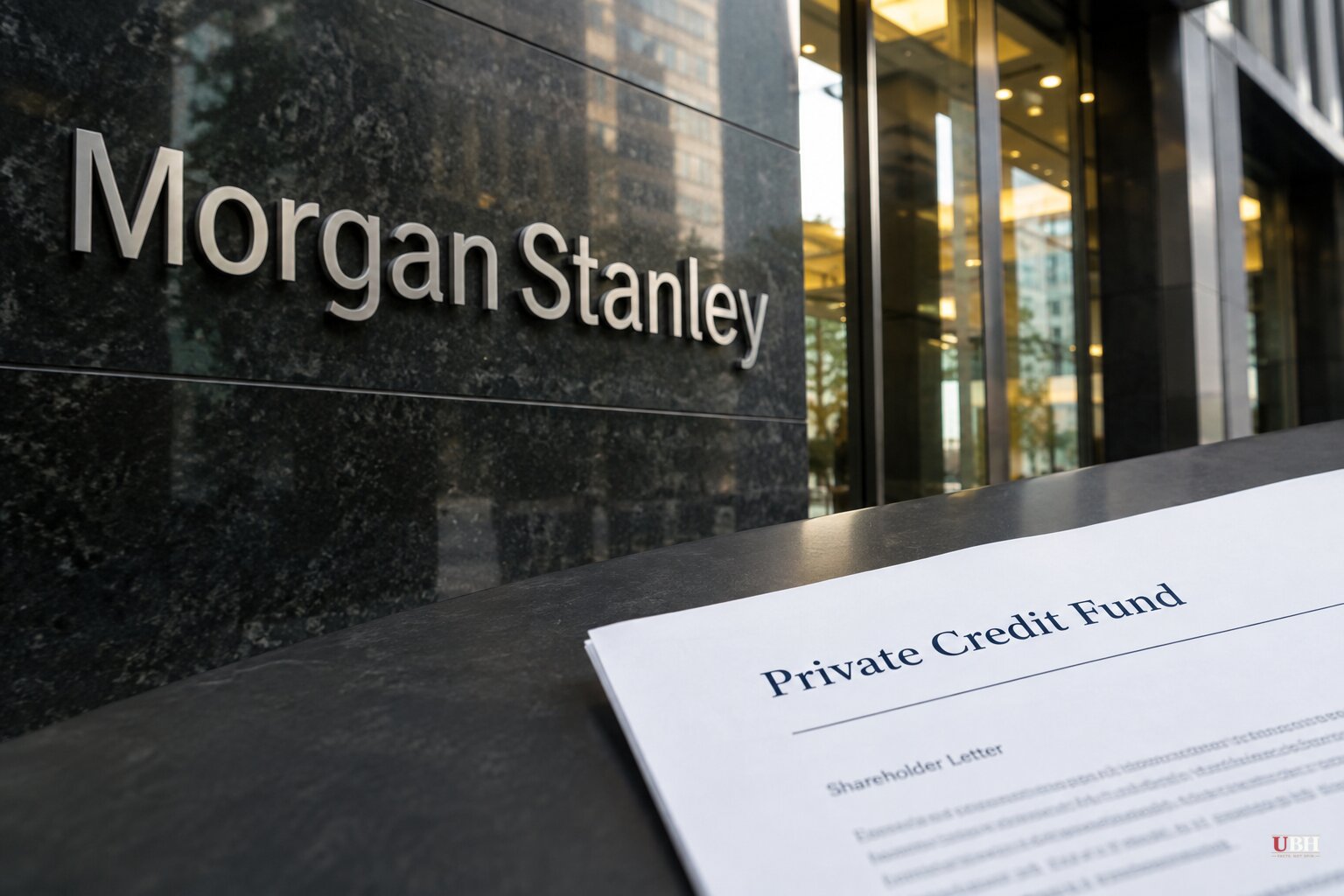
Morgan Stanley told investors in a September 18, 2026 shareholder letter that it will again cap redemptions at its North Haven Private Income Fund, the third straight quarter it has had to do so.
Investors in the fund, known as PIF, asked to withdraw 11.4% of shares in the third-quarter tender offer. Morgan Stanley is honoring the standard 5% cap, according to the filing reported by Reuters. That means investors are getting less than half of what they requested.
This isn't new territory for the fund. In the second quarter, investors requested 11.6% and received about 43% of it. In the first quarter, requests hit 10.9% and roughly 45.8% got fulfilled, translating to about $169 million returned. Add it up and completed repurchases across all three periods through September will total approximately $479 million, according to the fund's own disclosure.
Nearly two-thirds of this quarter's requests came from investors who were already turned away in the prior two rounds. The fund says that once this quarter's repurchases are done, investors who sought a full cash-out in the earlier two offers will have received more than 80% of what they originally asked for.
"We believe the composition and stabilization of request activity may indicate the durability of the company's investor base," the fund said in its investor update.
The hit to PIF's net asset value this quarter is expected to be about $101 million, after accounting for new subscriptions and dividend reinvestments, per the letter.
A smaller Morgan Stanley vehicle, North Haven Private Income Fund A, saw redemption requests ease slightly to 6.8% from 7.2% the prior quarter. It will also cap repurchases at 5%.
An Industry-Wide Problem
Morgan Stanley isn't managing this alone. Blackstone and BlackRock have both continued limiting withdrawals on their own private credit vehicles, according to the Business Times and BigGo Finance. Cliffwater capped its fund at 7% in the first quarter of 2026 after investors requested 14%.
Fund managers across the roughly $1.8 trillion private credit market are still working through an industry-wide backlog of about $15 billion in unfulfilled withdrawal requests, per the Business Times and BigGo Finance, after what both outlets describe as a record rush for the exits over the past year.
Reuters reports the exodus is being driven by wealthy investors worried about two things: lending standards at these funds, and whether software companies, a major source of borrowers for direct lenders, can hold up against disruption from artificial intelligence. Data from three other major players, Apollo, Ares, and Blue Owl, is expected in the coming weeks and will show whether that pressure is broadening or fading, according to Traders Union and WBOW.
The Fair Complaint Here
Investors who put money into non-traded private credit funds were often sold on the idea of periodic liquidity. A quarterly repurchase window that only fills 43% to 46% of requests, three quarters running, isn't the liquidity a lot of buyers thought they signed up for. That's a legitimate gripe, and it's the same one driving redemption requests industry-wide.
Morgan Stanley's counter is that the fund built a real liquidity buffer, disclosed as of May 31, 2026, at over $2.2 billion in undrawn capacity plus roughly $400 million in liquid loans, and that the 5% cap is the standard structural mechanism these funds use to avoid a fire sale of underlying assets. Gates exist precisely so a wave of redemptions doesn't force the fund to dump illiquid loans at a discount, which would hurt the investors who stay in even more than the ones trying to leave.
Both things are true at once: the redemption cap is standard industry practice, not a Morgan Stanley invention, and it still means investors are stuck holding units they wanted to sell. Nobody forced these investors into an illiquid, non-traded vehicle. They chose the higher yield that comes with locking up capital, and now they're finding out what that lockup costs when everyone wants out at the same time.
The open question is whether the private credit industry's redemption backlog, still sitting near $15 billion, is actually stabilizing as Morgan Stanley's letter suggests, or whether the AI-driven scrutiny of software borrowers keeps pushing new investors toward the exits. Apollo, Ares, and Blue Owl's upcoming disclosures will be the next real test of that.
Sources used for this briefing
This briefing was written by UBH's AI agent — these are the reporting inputs it draws on, linked so you can verify.


