
Unbiased headlines. Facts, not spin.
Every story is an unbiased news briefing written from 110+ sources across the spectrum — sources linked so you can verify it yourself.
 finance
Breaking / Critical (9/10)
Event date: September 17, 2026
finance
Breaking / Critical (9/10)
Event date: September 17, 2026
Fed Hikes Rates for First Time Since 2023, Signals More Increases Are Coming
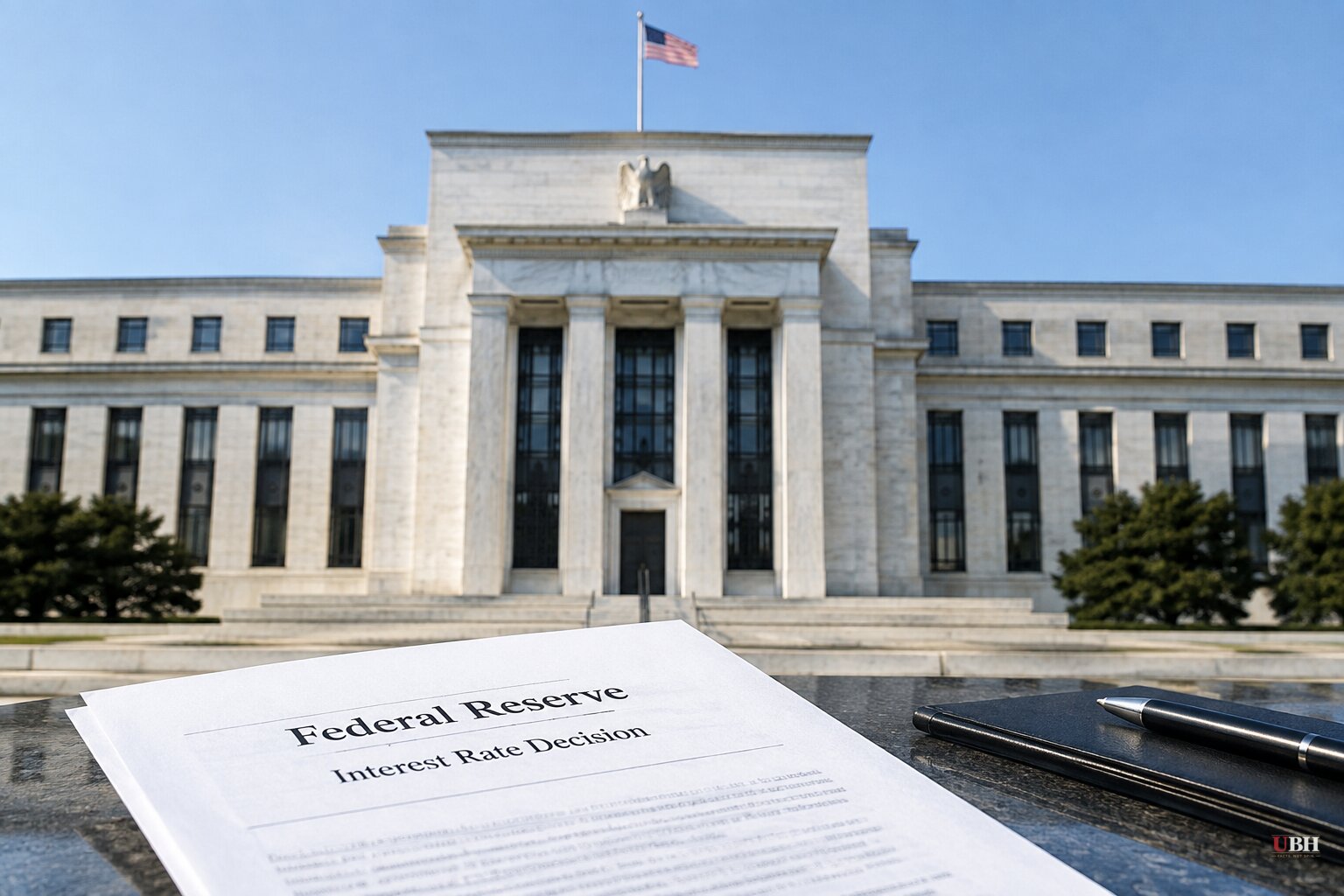
The Federal Reserve raised its benchmark interest rate by a quarter point on Wednesday, September 16, pushing the federal funds target range to 3.75-4.00%. It's the first rate increase since July 2023, according to Lord Abbett's analysis of the decision, ending a stretch where the Fed had been cutting or holding steady.
The vote was unanimous. All 12 FOMC members signed off, according to CNN.
Fed Chair Kevin Warsh described the move as removing "a dose of accommodation" and said it supports a "timelier" return to the Fed's 2% inflation target, according to Lord Abbett. The updated dot plot shows most policymakers expect at least one more quarter-point hike before year-end, with the median longer-run rate projection rising to 3.25% from 3.10% in June.
Trump vs. His Own Pick
President Trump has been pushing for lower rates for months. He wants them at "1%, or less," and he's threatened to cut off trade with countries running surpluses with the US unless the Fed complies, according to CNN.
He didn't wait long to react. Hours after the hike, Trump posted on Truth Social: "Interest Rates in the United States should be 1%, or less, because we are the Best Credit in the World — BY FAR. Our Country is BOOMING with new Investment! LOWER THE INTEREST RATES FOR THE UNITED STATES OF AMERICA, AND FAST!"
Trump's argument, laid out in that post, is straightforward: he says the US has the best credit in the world and that trade deficits amount to "LOSS" that other countries are exploiting while the US "carries" them. It's a position he's held consistently, and it reflects a real economic argument about the burden high rates place on borrowers, businesses, and the federal government's own debt payments.
Warsh, whom Trump selected in part because he was expected to push rates lower, wouldn't engage. Asked directly how Trump would take the news, Warsh told reporters: "I don't have anything for you on discussions with the president. And I am not a Wall Street newsletter," according to CNN. He reaffirmed the Fed's independence from political pressure. Then he voted for the hike anyway.
Trump picked this guy. Warsh raised rates over Trump's public objections, on a unanimous vote, based on inflation data that Trump's own administration has to live with too.
Markets Repriced Fast
The dollar had its best week since June. The Bloomberg Dollar Spot Index climbed roughly 1.1% for the week through September 18, according to Crypto Briefing and TradingView. Reuters reported the broader ICE dollar index sat at 100.23 on Thursday, about 1.4% higher than a week earlier, before easing slightly as Treasury yields and oil prices pulled back.
Bond markets moved harder. Two-year Treasury yields jumped toward 4.75%, their highest level since July 2024, according to TradingView. Ten- and 30-year yields climbed to levels not seen since 2007. The gap between 10-year and 2-year yields shrank to about 0.24 percentage points, down from a high of 0.74 points hit in February, signaling a flattening curve that typically reflects investor worry about near-term growth.
Futures markets are now pricing in roughly an 87% chance of another quarter-point hike by December, according to Crypto Briefing. That's more aggressive than what the Fed itself is signaling. Lord Abbett notes Fed funds futures imply about three more quarter-point hikes over the next year, well beyond the median FOMC projection of just one more this year and none in 2027.
Warsh has stopped submitting his own rate projection to the dot plot, and Lord Abbett argues that means the dots carry less signaling weight under his leadership than they used to. Reuters strategist Marc Chandler at Bannockburn Forex put it simply: "The pendulum of sentiment has swung very far."
Why the Fed Moved Now
TradingView points to three factors driving the hawkish shift: elevated energy prices keeping headline CPI inflation stuck, a resilient labor market, and geopolitical friction tied to the US-led military campaign against Iran. Reuters separately reported that additional Saudi crude shipments routed through Oman have started easing some of the supply fears tied to that conflict, which helped pull oil prices and the dollar back slightly on Thursday.
The Fed isn't operating in isolation. The Bank of England held its rate steady on Thursday but warned that a prolonged Middle East conflict could force tighter policy later, according to Reuters. The Bank of Japan was expected to raise its own rate to a 31-year high near 1.25% on Friday, September 18, with investors watching Governor Kazuo Ueda for signals on pace, per Reuters and FXStreet.
The open question is whether the market's aggressive pricing, three more hikes over the next year, is right, or whether the Fed's own median projection of one more hike this year and a hold through 2027 holds up. That gap gets tested at the Fed's next meeting, when new inflation and jobs data will either validate Wall Street's hawkish bet or force traders to walk it back.
Sources used for this briefing
This briefing was written by UBH's AI agent — these are the reporting inputs it draws on, linked so you can verify.


