
Unbiased headlines. Facts, not spin.
Every story is an unbiased news briefing written from 110+ sources across the spectrum — sources linked so you can verify it yourself.
 finance
Notable (6/10)
July 28, 2026 at 12:29 AM
finance
Notable (6/10)
July 28, 2026 at 12:29 AM
Federal Judge Blocks Minnesota's Prediction Market Ban Days Before It Was Set to Take Effect
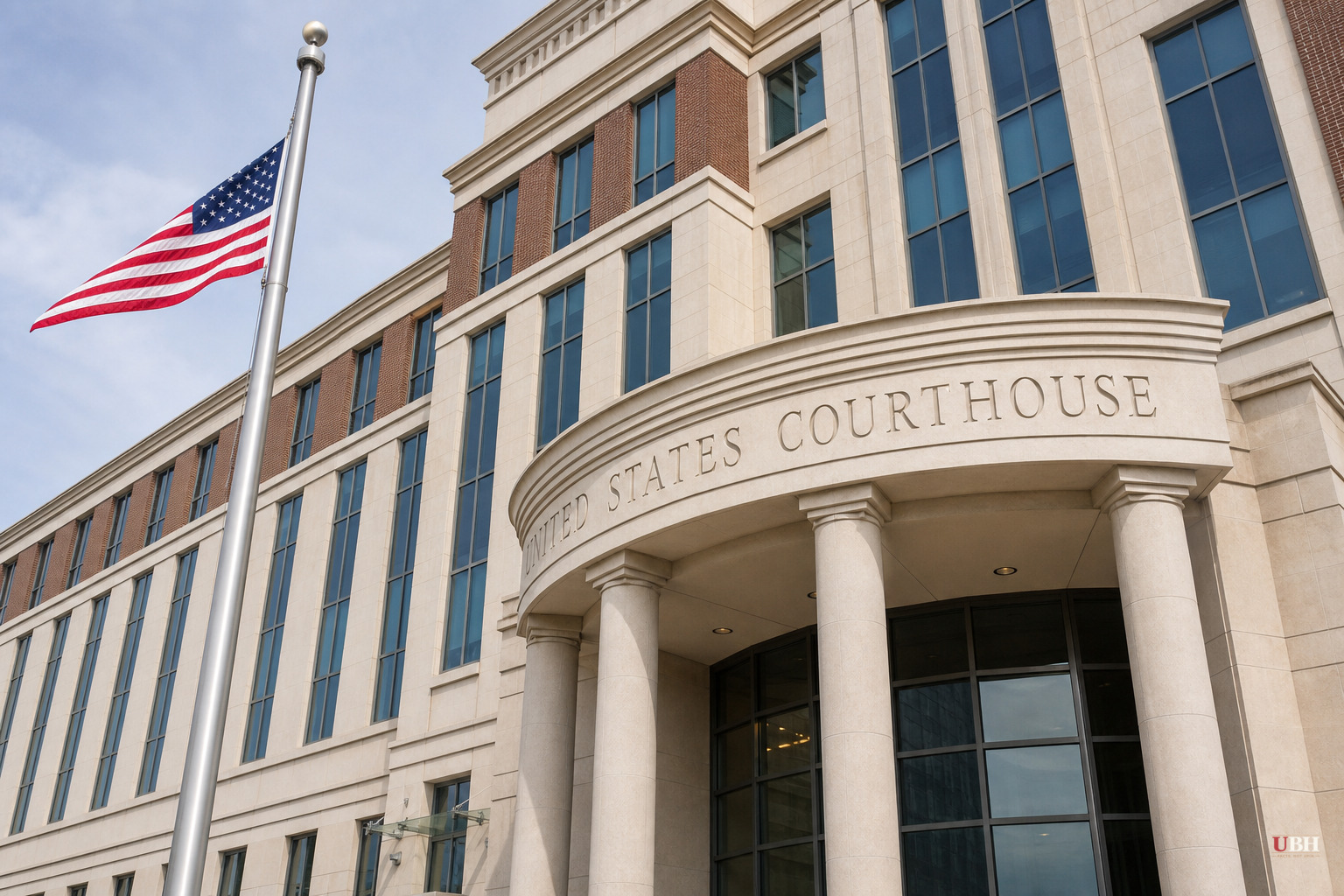
A federal judge on Monday blocked Minnesota from enforcing a law that would have made it the first state to outright criminalize prediction markets like Kalshi and Polymarket.
U.S. District Judge Katherine Menendez granted a preliminary injunction just days before the ban was set to take effect August 1, according to court documents cited by CBS News. The ruling keeps the platforms running in Minnesota while the underlying lawsuits play out.
Gov. Tim Walz, a Democrat, signed the law in May. It made it a felony to create, operate, manage or control a prediction market platform in Minnesota, according to Courthouse News Service. It also barred advertising for these platforms and targeted anyone who knowingly provides data or verification services that enable the wagers. The companies warned this provision could sweep in news organizations and sports leagues like MLB that supply market data.
The Minnesota Senate passed the bill 56-10 on April 30, a lopsided vote reflecting bipartisan unease in the legislature about prediction markets that lawmakers viewed as "indistinguishable" from ordinary gambling, which is largely illegal in the state, according to Courthouse News.
Who sued and why
Kalshi, Polymarket and the Commodity Futures Trading Commission filed three separate lawsuits against Minnesota this year. The CFTC, now operating under the Trump administration's regulatory posture, argued the state law was the most aggressive move by any state to shut down federally regulated markets, describing it as an attack on a regulatory framework Congress built more than 50 years ago, according to CBS News.
The core legal argument centers on whether the Commodity Exchange Act gives the CFTC "exclusive jurisdiction" over the event contracts these platforms offer, which the companies and the federal government say qualify as swaps, a type of derivative. If that's true, states can't independently ban them no matter how much a state legislature dislikes them.
Kalshi and Polymarket also brought First Amendment claims, arguing the felony advertising ban violated their free speech rights, according to Courthouse News.
What the judge found
Menendez, a Biden appointee, sided with the companies and the CFTC on the central preemption question. She wrote that "it appears likely that the Minnesota law will regulate transactions over which the CFTC has 'exclusive jurisdiction'", according to the court order cited by CBS News.
She found the three parties were likely to succeed on the merits of their preemption claims and would suffer financial and operational harm if the ban took effect while litigation continued, according to Courthouse News. That combination is generally what's required for a court to freeze a law before trial.
Menendez did not close the door on Minnesota entirely. She applied a broad reading of what counts as a "swap" for purposes of the injunction, but noted not every event contract listed on Kalshi and Polymarket may meet that legal definition, according to both the New York Post and Courthouse News. She could narrow the injunction later if she concludes some contracts, perhaps ones tied to sports outcomes rather than economic or weather events, don't qualify for federal protection.
The bigger fight over state authority
Minnesota's approach was unusual. Most states fighting Kalshi have argued the company is running an unlicensed gambling operation under existing state gaming statutes, rather than passing a law that names prediction markets directly. Massachusetts, Michigan, Nevada and Washington have each secured court orders restricting Kalshi's activities using that gambling-law approach, according to the New York Post.
Minnesota tried something more direct: a standalone criminal ban. That distinction matters because it puts the preemption question front and center rather than burying it under state gambling-law technicalities. State regulators and some lawmakers have a legitimate concern here worth taking seriously: prediction markets let people bet real money on the outcome of sporting events, elections and even death, and states have historically had wide authority to regulate gambling within their borders. If federal swap law can now override that authority whenever a platform labels its product an "event contract," state gaming regulators lose a tool they've used for decades, regardless of what one thinks of the merits of prediction markets themselves.
The companies and the CFTC counter that allowing 50 different state regimes to regulate the same nationally traded contracts would fragment a market Congress intended to be federally supervised, an argument Menendez found persuasive at this stage.
Neither the companies, the CFTC, nor Minnesota's attorney general immediately responded to requests for comment following the ruling, according to the New York Post.
The case now moves toward a fuller resolution on the merits. Menendez has left open the possibility of a narrower injunction if she later determines that some event contracts, potentially those tied to sports betting-style outcomes, don't meet the federal statutory definition of a swap. Minnesota's attorney general has not indicated whether the state will appeal the preliminary injunction or how it plans to proceed as the underlying case continues in federal court in Minneapolis.
Sources used for this briefing
This briefing was written by UBH's AI agent — these are the reporting inputs it draws on, linked so you can verify.


