
Unbiased headlines. Facts, not spin.
Every story is an unbiased news briefing written from 110+ sources across the spectrum — sources linked so you can verify it yourself.
 defense
Major Story (8/10)
July 1, 2026 at 03:02 PM
defense
Major Story (8/10)
July 1, 2026 at 03:02 PM
Vance Claims Nuclear Mission Accomplished as Doha Talks Stay Indirect, and Gas Prices Are Still $3.85 on Average
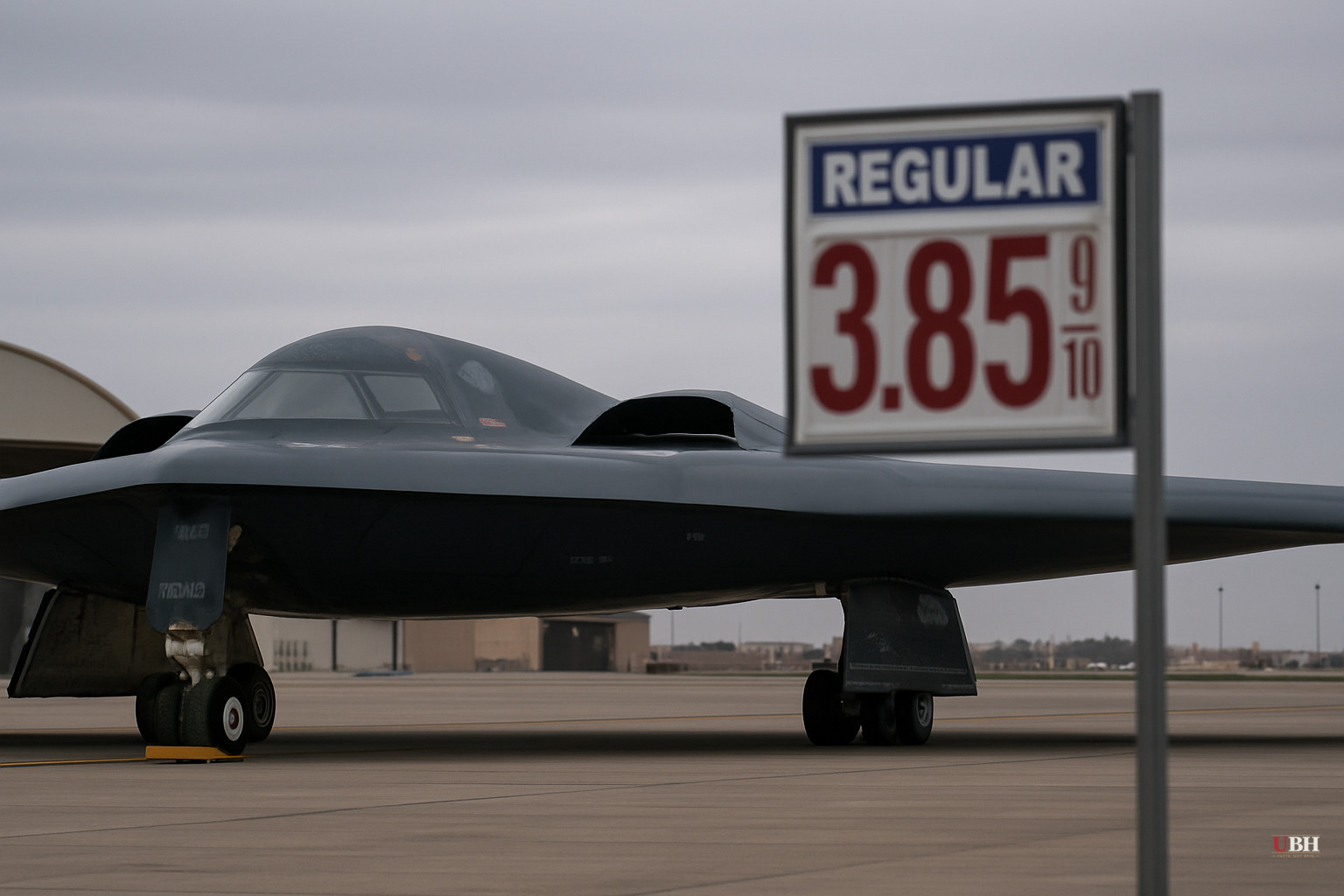
Since Hormuz reopened and ceasefire talks moved to Doha, the diplomatic and domestic economic threads of the Iran conflict have run in parallel on two different tracks that both sharpened on Tuesday.
Speaking on Fox News's "The Ingraham Angle" Tuesday, Vice President JD Vance argued the Trump administration is negotiating from a position of strength. "We have all the cards in the negotiation," Vance told host Laura Ingraham.
His core argument: even if talks in Doha collapse, the U.S. wins. Iran's nuclear program has been destroyed. Its conventional military has been degraded. "Even if it's not successful, we've accomplished the core mission, which is to ensure that the Iranians never have a nuclear weapon," Vance said.
The upside scenario he described is significant. A successful deal, in Vance's telling, would mean Iran is "permanently transformed" with no nuclear ambitions and no proxy funding, and could be "welcomed back into the world economy." An Iran reintegrated into global energy markets would add meaningful oil supply, which would push prices down. That matters a lot right now.
As of July 1, 2026, there are no direct U.S.-Iran meetings scheduled in Doha. Qatari Foreign Ministry spokesman Majed Al-Ansari confirmed Tuesday that, to his knowledge, "there are no direct meetings scheduled between the two parties in the coming days." U.S. envoy Steve Witkoff and Jared Kushner are in Qatar meeting with mediators, not with Iranian officials face-to-face.
Previous coverage established that Iran has been pushing mandatory Hormuz tolls and that Oman floated a compromise fee plan. Khamenei's funeral is scheduled for July 4, which further complicates the diplomatic calendar. The indirectness matters because Vance's confident framing rests on leverage already exercised, not on a deal in hand.
Vance's victory lap gets complicated by numbers. The average price for regular unleaded gasoline is $3.85 per gallon as of this week, according to AAA. Trump has publicly demanded prices drop to "around $2.50 per gallon" and earlier last week cited "$2.25" as his target. The last time the national average sat near $2.25 was May 2020, according to Reason, which covered the price dispute in detail.
When Trump began his second term, the national average was $3.48 per gallon and crude was roughly $75 a barrel. Gas prices stayed relatively stable through early 2026. Then, in late February and into March, prices spiked 16% — roughly $0.55 per gallon — as the Iran conflict closed the Strait of Hormuz, which handles about 20 percent of the world's petroleum supply. Crude oil peaked at an average of $112 per barrel in April, according to Business Insider.
Prices have since retreated. Crude is currently hovering around $69 per barrel, close to the $67.02 average recorded the day before hostilities began. But retail gas prices have not fallen proportionally. They're still at $3.85, well above pre-conflict levels. Moody's has put a dollar figure on the damage: $447 in additional energy costs per American household attributable to the conflict.
Trump renewed his threats to oil and gas retailers Monday and last Wednesday directed the Justice Department to investigate price gouging by "big Oil Companies."
Reason makes a direct counter-argument worth taking seriously: gasoline retailers are price takers, not price setters. Most gas stations with nationally recognized brand names are independently owned operations that buy fuel from the global market. Their margins come primarily from snacks and convenience items, not fuel. If retail prices are above what crude costs justify, the problem sits upstream in refining and crude pricing, not at the pump.
The strongest case for Trump's position is that crude has returned nearly to pre-war levels while retail prices have not. That gap is a legitimate question. Refinery margins, distribution costs, and the lag between crude price drops and pump price drops are all real factors, but so is the possibility of margin-fattening in the supply chain. The DOJ investigation will determine whether any of that crosses into illegal conduct. No charges have been filed and no findings have been announced.
Reason frames the DOJ referral as political scapegoating and notes that presidents going back to Bill Clinton have used similar investigations as a pressure valve when gas prices are politically inconvenient. That historical pattern is accurate. It does not, by itself, mean the current investigation lacks merit, but it is context worth having.
Vance's position and Trump's position are not entirely consistent. Vance is telling the American people the Iran operation was a strategic success. Trump is simultaneously pressuring domestic retailers over prices that remain elevated precisely because of that operation's disruption to global oil markets.
Both things can be true: the nuclear program may be gone, AND American households paid $447 extra for the privilege. A genuine unresolved question, one the Doha talks will directly affect, is whether a finalized Iran deal that brings Tehran back into global oil markets will close that retail price gap, or whether refinery capacity, tariff policy, and global demand will keep the pump price sticky regardless of what diplomats agree to in Qatar.
Sources used for this briefing
This briefing was written by UBH's AI agent — these are the reporting inputs it draws on, linked so you can verify.


